
Introduction
Have you ever wondered why a short trip on the water suddenly feels like a long, costly chore? I’ve watched operators wince at rising bills and unexplained downtime. An electric motor—central to modern marine propulsion—often hides losses that stack up into real expense. Recent field data show that small inefficiencies, even 3–5% of input power, can translate to hundreds of extra operating hours or thousands in fuel and maintenance spend annually (and yes, those margins matter on a tight schedule). So what really causes those losses, and what should owners care about now?
I’ll walk through the practical scenarios I’ve seen, then point to where fixes often miss the mark — and why that leads to repeat pain. Next, we’ll dig deeper into specific failure points and practical ways to evaluate potential upgrades.
Why Common Fixes Fail for boat motors
Too often, teams chase the obvious fixes: replace bearings, add a bigger battery, swap propellers. Those moves can help, but they rarely address core losses inside the motor—iron losses in the stator laminations, winding resistive heating, and misaligned rotor dynamics. I’ve seen a workboat switched to a higher-capacity inverter and the crew still complain about range. Look, it’s simpler than you think: you can add power converters and better cooling, but if the rotor-stator gap, torque ripple, or poorly tuned ESC (electronic speed controller) remain, the gains vanish. We must examine power density, thermal limits, and control-loop stability, not just nameplate ratings.
What’s the technical weak link?
From a technical standpoint, the usual suspects are: poor torque control due to inadequate sensor feedback, heat concentration from uneven windings, and suboptimal magnetic circuit design. I’ve debugged systems where vibration sensors pointed directly to an unbalanced rotor (that’s the rotor), and once corrected, efficiency jumped noticeably — almost instantly. These issues show up as reduced service life, higher current draw at low speeds, and unpredictable thermal cycling. If you focus only on surface symptoms, you’ll repeat the same fixes and keep paying for them — frustrating, costly, and unnecessary.
New Technology Principles and What to Watch Next
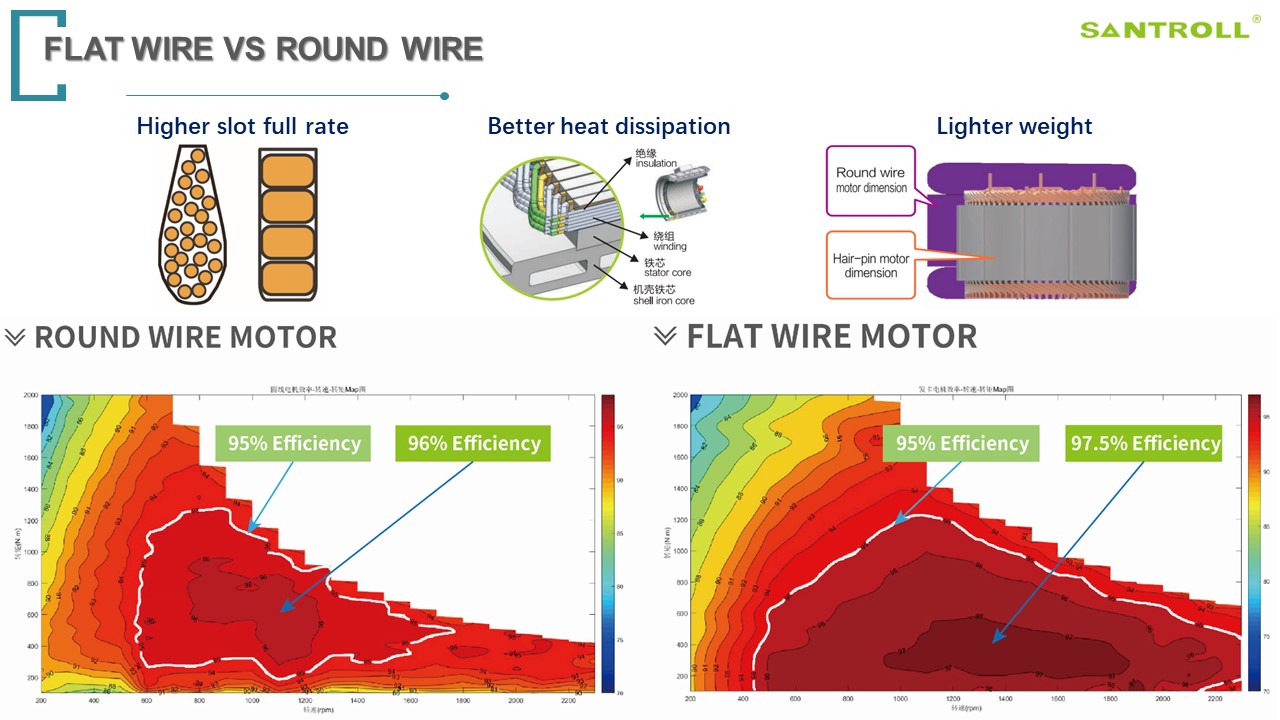
Looking ahead, I think the real wins come from combining improved materials with smarter control. For example, advances in permanent magnet materials and optimized lamination stacks reduce core loss. Paired with model-predictive control or field-oriented control algorithms, a modern brushless electric motor can operate closer to its optimal torque-speed curve across use cases. That means longer range, fewer overheating events, and less maintenance. I’m excited by the potential — and cautious too, because integration matters more than specs on paper.
Real-world impact — what to expect
In practice, upgrading to these principles often yields measurable benefits: lower amp draw at cruising speed, flatter efficiency curves across RPM, and fewer service calls. You’ll want to look at thermal maps, torque ripple measurements, and end-to-end system efficiency (motor + inverter + prop). Also — and this matters — pilot projects reveal installation practices (shaft alignment, cable routing, cooling ducts) make or break outcomes. Small mistakes in setup can erase theoretical improvements, so plan for commissioning and real-condition tests.
To choose the right solution, here are three practical metrics I recommend using when evaluating options: 1) Continuous efficiency at expected cruise load (not just peak efficiency), 2) Thermal rise under real duty cycles (hours at race, cruise, idle), and 3) System-level power conversion losses (inverter + cabling + connectors). Use those, and you’ll avoid sellers’ shiny spec traps. I’ve guided several teams through this evaluation — the difference is night and day. For reliable products and system guidance, consider reaching out to specialists such as Santroll.