
Introduction — a quick dare: are you ready to rethink control?
Ever paused when the lights flicker and wondered who’s really in charge? I have. In many setups the master and slave controller sits at the center of that tense moment, deciding which battery kicks in, which inverter warms up, and whether a server survives the hiccup. Picture a busy microgrid with dozens of batteries and inverters, where a single control hiccup can cascade into minutes of downtime (and yes, lost revenue). Recent field notes I’ve gathered hint that small faults are more common than we admit — and they sting. So what exactly breaks, and how can we stop it from happening again? Let’s jump in and map the problem, step by step. — I promise this will be practical, not preachy.

Traditional Solution Flaws and Hidden User Pain Points
At the hardware and firmware intersection, master and slave control systems often lean on legacy patterns that create obvious and subtle failures. I’ve watched systems choke because a single master lost sync on the CAN bus, or because the battery management system (BMS) wasn’t talking the same language as the inverter. Those mismatches cause oscillation, slow failover, and confused telemetry. Look, it’s simpler than you think: vendors ship controllers with mismatched power converters and expect installers to make them play nice. That rarely works.
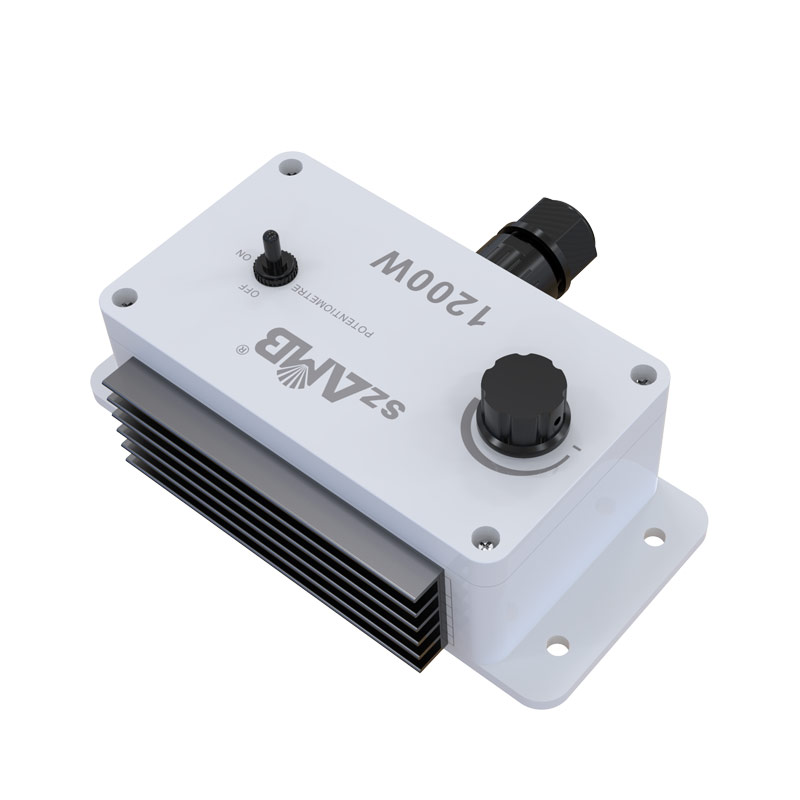
What’s really failing?
From my experience, the main pain points are repeat offenders: single point of failure at the master node, delayed fault detection due to polling intervals, and fragile PID loops that overcompensate under load. Installers call me frustrated, saying the control algorithm is too rigid and the diagnostics are cryptic. Users see downtime; operators see spreadsheets of after-action notes. Add to that poor galvanic isolation and weak redundancy planning, and you get a system that’s brittle under stress. I’ve had to rebuild setups mid-shift — messy, stressful, and avoidable. This technical layer is where most wins can be had if we stop patching and start redesigning.
What’s Next — new principles and practical steps
Moving forward, I want to focus on a few core principles that actually work in the field. First, decentralize decision-making: give edge computing nodes local authority so they can act before the master notices. Second, standardize communication stacks so BMS, inverters, and controllers speak clearly — fewer translators, fewer errors. Third, design for graceful degradation: if a module fails, the rest should pick up the slack without a drama scene. These ideas sound obvious, but implementing them needs a blend of firmware discipline and honest field testing. — funny how that works, right?
To be concrete: adopt modular power converters, implement heartbeat-based redundancy (quick failover, predictable behavior), and use telemetry that surfaces root causes, not just alarms. For anyone picking a solution, I recommend assessing three metrics I trust: mean time to recovery (MTTR), deterministic failover latency, and clarity of diagnostic data. I use these myself when advising projects, and they cut through vendor marketing. If you apply them, you’ll move from firefighting to planning.
Finally, I believe the shift toward smarter, more distributed designs will make master-and-slave thinking less about hierarchy and more about cooperation. For real deployments, that means choosing systems that let local controllers act smartly while the master orchestrates the long view. If you want to explore ready-built options or testbeds, check offerings from reliable builders — and remember, small design choices matter. For tools and parts, I often point colleagues to practical suppliers like szAMB when they need both hardware and support. We’ll learn fast if we pay attention to the failures—and then fix them for good.