
From Sputters to Smooth Shots: Setting the Scene
Here’s the blunt truth: packaging only works when it gets out of the way. That pet pump bottle by your sink should hit the same dose, every time, without mess or squeak. Picture a busy café handwash station or a salon back bar; a clog or sputter slows the queue and wastes product—no one’s got time for that. Line checks often flag two repeat offenders: dose variance and leakers, even when the torque spec and neck finish are “in tolerance.” The catch is subtle. Fluid viscosity shifts with climate, actuation force changes by batch, and a 28/410 thread that’s “fine on paper” can still slip under wet hands. In Aussie terms, if it’s fiddly, it won’t fly.
Data from routine audits tends to say the same thing: people want a clean, repeatable shot. Teams look for stable preforms, consistent pump springs, and a metering chamber that doesn’t choke on thicker formulas. But here’s the kicker—are you comparing like with like, or mixing pumps, resins, and closures and hoping for the best? That’s where most rollouts wobble. So, how do you pick smarter and then scale across sizes and SKUs, no worries? Let’s break it down and line it up against what actually happens on the line.
The Hidden Snags When Picking a Supplier
What’s the real snag?
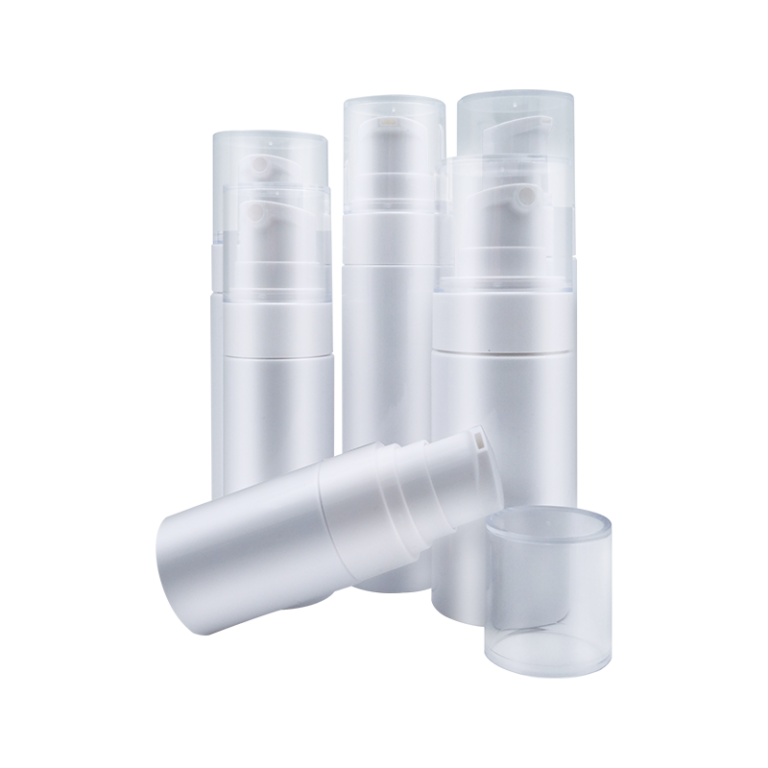
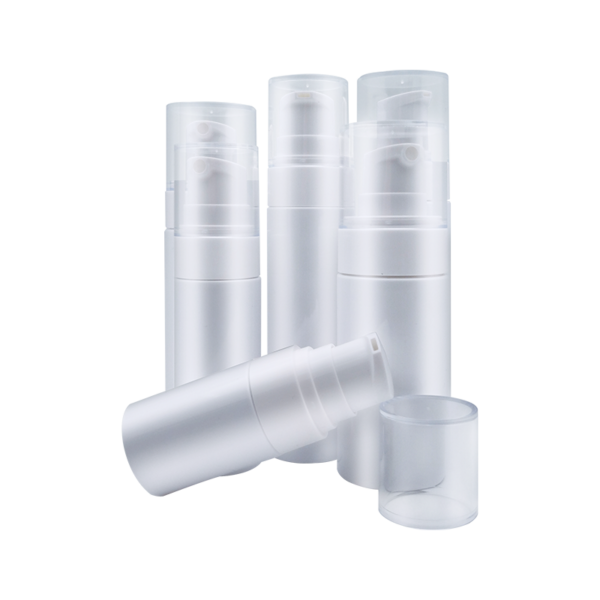
Finding a reliable pet pump bottle supplier sounds easy until you test across formulas. A pump that works on a thin gel can choke on a viscous lotion because actuation force, spring rate, and the metering chamber volume aren’t tuned as a system. If the 28/410 neck finish is technically correct but the thread pitch or ovality drifts, torque reads “OK” while seals still creep. And if the resin grade or wall distribution wobbles, creep under load can nudge the closure loose in transit—funny how that works, right?
The real pain points hide in the handoff between components. Pumps, bottles, and closures often come from different lines or even different factories. Without cavity-level traceability and aligned QC windows, a clean lab sample can turn rough in field use. Look, it’s simpler than you think: match pump architecture to formula rheology, verify OTR for scent-heavy blends, and demand consistency in preform weight and blow parameters. Ask for proof of pull-off force, backflow resistance, and dose repeatability over 1,000 actuations. If a supplier can’t share SPC charts or show torque curves across humidity swings, you’ll be the one doing their R&D on your dime. Technical fit first, price second.
Next-Gen Moves: How to Compare and Future‑Proof
What’s Next
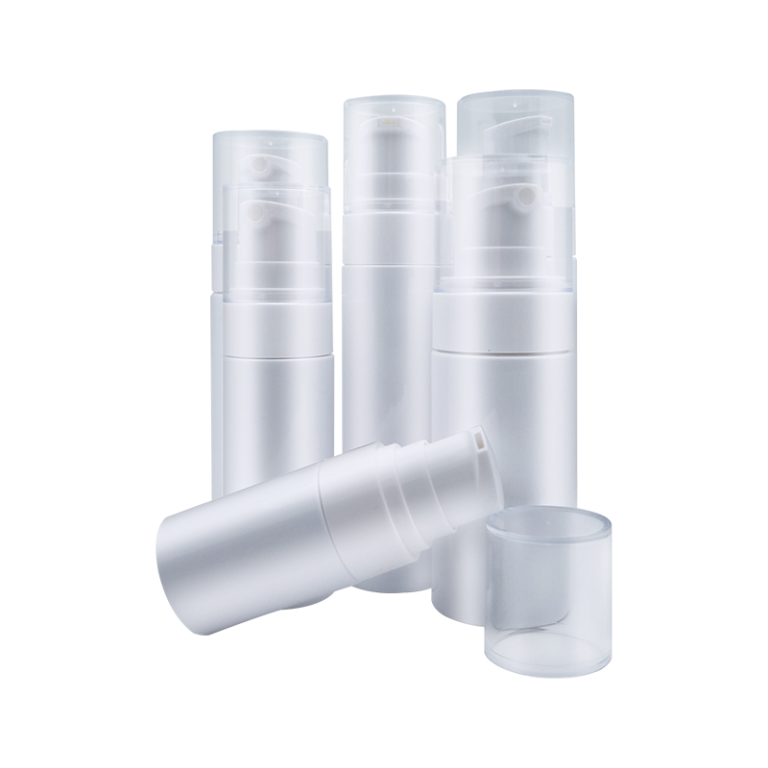
Forward-looking teams compare suppliers by the principles under the polish. The better operations tie pump geometry, bottle stiffness, and closure specs into one control plan. They run hot runner balance checks, use cavity sensors to watch the flow front, and lock in a process window that holds dose variance tight. They also publish actuation force bands and show how anti-backflow valve geometry copes with thicker gels. That’s the practical edge for scaling pet plastic pump bottles from 10 ml testers to 300 ml retail—same feel, same dose, no fiddly tweaks. And yes, that includes nasty surprises like ethanol-heavy sanitiser or essential oils that soften seals—handled up front, not in returns.
So, what should you actually measure when you shortlist? Go beyond “looks good.” Compare suppliers on three metrics that matter in the real world—advisory mode on. One: dose accuracy and repeatability (target a tight band across 1,000+ strokes with SPC to prove it). Two: closure retention and leak resistance after vibration and drop tests, not just benchtop sit-and-wait (think e-commerce journeys, not shelf life alone). Three: traceability and change control—cavity, lot, and resin tracking tied to corrective actions when anything drifts. Pick the partner who can demonstrate these under load and across climate swings— and that’s not hype. Summed up: align the system, validate in motion, and keep proof on paper. If you need a starting point or a sanity check on specs, you can always tap NAVI Packaging.