
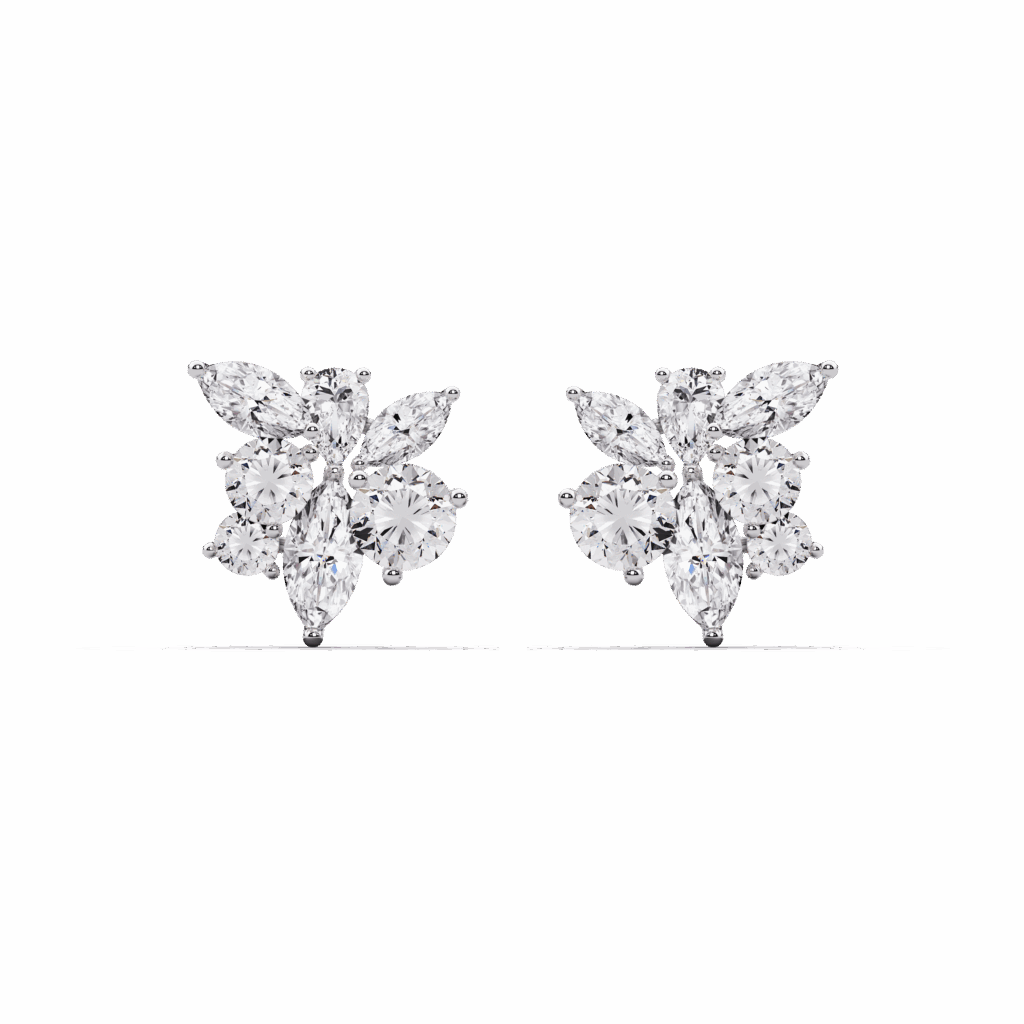
A Long Silhouette, A Clear Choice
Here’s a bold claim: the right shape changes how you read light. In the quiet of a boutique, classic jewelry pieces still move people with a glance. The marquise cut diamond is a prime example—long, lean, and full of intent. Industry data shows that elongated shapes win attention despite holding a smaller share of sales, which says a lot about taste and context. It also hints at gaps in buying guidance. If a shape can stretch the finger line and amplify presence, why do so many owners feel unsure after purchase (or after the first resize)? And what does that say about how we match cut to life, not just to a spec sheet? The question lingers. Let’s set a steady pace and compare what really matters.

The Deeper Layer: Hidden Pain Points in the Marquise
What flaws hide in the sparkle?
Let’s get technical, because silence around the marquise often creates regret. The bow-tie effect—darkness across the center—comes from misaligned angles between the crown and the pavilion. When the pavilion depth is too shallow, light leaks. When the table is too large, the face looks flat. When the girdle is very thin near the tips, chips happen. That’s not bad luck; that’s geometry. Traditional fixes rely on heavy prongs or halos to mask issues, but that can add bulk and snag. Look, it’s simpler than you think: start with symmetry, length-to-width around 1.9–2.1 for balance, medium girdle at the points, and strong V-prongs that protect without overhanging. Fluorescence is not the villain; strong blue can help some near-colorless stones pop in daylight—if the cut supports it.
Now the real pain points. Fit shifts. Long stones feel larger on the finger, so the ring spins more on humid days—funny how that works, right? Thin bands flex, spreading the prongs at the tips. Micro-abrasions appear first where the facets meet at the point. These are lived problems, not just lab notes. A better path is choosing intentional engineering: tapered shoulders to stabilize the head, low-set bezels that hug the stone, and clean under-galleries so lint and lotion do not dim the light return. Notice the theme. Design should defend the cut’s strengths, not fight them. When that happens, the marquise stops asking for attention and starts earning it.

Forward-Looking View: Tools That Reframe the Marquise
What’s Next
We move from fixes to foresight. Modern cutters use ray-tracing models to predict light behavior before a single facet is polished. ASET or Idealscope imaging maps leakage, so you can see the bow-tie risk on-screen. High-precision lasers find symmetry drift down to a hair’s width, while 3D scans map the crown and pavilion angles across the full length. Compare that to older methods that chased carat weight at the tips and left the center dark. The new principle is clear: calibrate angles for balanced scintillation, even along the belly of the stone. This is where a marquise earns its grace. In settings, refined V-prongs and micro-bezel hybrids protect the points without swallowing them. That means fewer snag risks and less stress at the girdle over years of wear—small changes, big outcomes.
In the casework we track, the best results blend cut discipline with practical design. One client moved from a heavy halo into a sleek solitaire with tapered shoulders and a low seat. Same stone. New presence. Less spin. When you pair that clarity with well-chosen companions—think understated bands or simple classic jewelry accents—the eye reads a clean line first, sparkle second, story always. We get a calm look today and fewer repairs tomorrow. The tone shift matters too: not hype, but craft; not fear, but foresight. And yes, a marquise with controlled depth and a medium table can rival round brilliance in bright rooms—funny how that works, right?
How to Choose: Three Metrics That Keep You Honest
Let’s end with an advisory lens. You can measure what matters—and avoid surprises.
- Light Performance Map: Ask for ASET or Idealscope images. Look for even saturation through the center and minimized leakage at the belly.
- Point Protection Index: Check girdle thickness at tips, V-prong coverage, and seat height. The goal is defense without bulk.
- Stability Ratio: Review length-to-width (target ~1.9–2.1), shank thickness, and shoulder taper. These reduce spin and daily wear stress.
Choose with these in hand, and the marquise becomes less a gamble and more a well-framed idea. You get a shape that flatters, a structure that lasts, and a light pattern that feels alive. That’s the quiet promise of a classic—made modern by method. Vivre Brilliance