
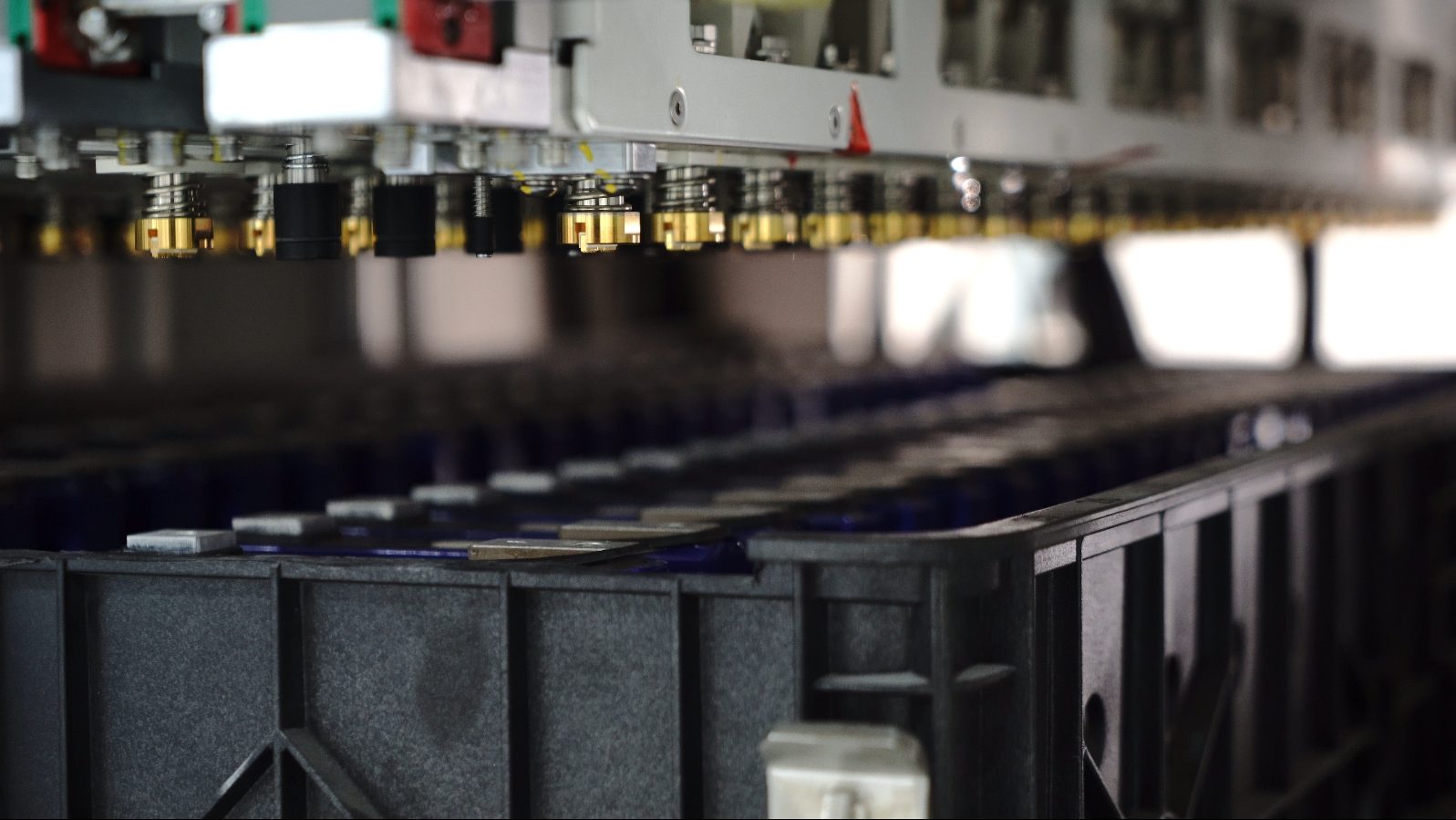
Introduction: A Morning on the Line, Then Numbers Shift
Picture the line ramping up after a long rain, operators doing quick checks, and trays of cells moving like clockwork. The lifepo4 lithium battery cells look the same as yesterday, but the first-hour scrap climbs by a few points. The BMS test flags a mismatch here and there; power converters on the test racks pull stable current, yet the data says rejects rise. You ask, what changed? Not the recipe, not the team. Still, yield slips, and rework piles up. One shift, the defect rate is 1.2%; the next, it’s 2.7%. Small on paper, but big on cost—especially when cycle time is tight and floor space is fixed. In a market where delivery dates matter, that swing can break a promise. And yes, it hits morale too (tanggap na natin minsan, that’s the grind).
So the question lands: is it the equipment, the environment, or the way the system reacts in real time? Let’s unpack why that happens and what could change next.
Where Traditional Lines Fall Short (and Why It Hurts)
Are manual tweaks masking deeper drift?
Most lines try to patch variability with operator skill and scheduled checks. But when tolerances are tight, that’s not enough. What you need is Battery production equipment that senses drift early and closes the loop fast. Traditional setups rely on delayed SPC charts and offline measurements. By the time a gauge report shows a coating shift or a calendering load bump, dozens of cells are already off-spec. The result: chasing problems instead of preventing them—funny how that works, right? Machine vision may exist, but without in-line metrology and live correlations, it acts like a camera, not a guardian. Look, it’s simpler than you think: if the system can’t see cause and effect in the same minute, it can’t steer the process.
There’s another pinch point. Islands of automation don’t talk enough. A mixer PLC, a coater HMI, and a formation rack may run well alone, but without a shared MES or SCADA backbone, traceability breaks. You lose the link between slurry viscosity and electrode defects, between drying profile and capacity spread. Operators compensate with manual tweaks, which hide deeper drift. That adds variation to variation. And we barely see it until scrap spikes—then the alarms feel late. The hidden pain is not just rework; it’s long debug cycles, unstable OEE, and teams stuck in firefighting mode instead of process learning. In short: the line works, but it doesn’t learn.
Forward Look: Smarter Lines, Cleaner Data
What’s Next
The next wave is about principles, not just parts. Think adaptive control, where sensors and models guide each step. A coater adjusts tension and speed using model predictive control as humidity drifts. A calender press tunes nip force based on real-time thickness maps. Formation profiles shift when impedance curves flag risk. These moves require Battery production equipment that streams data from edge computing nodes and fuses it with a digital twin. The twin simulates the line, tests a change, and recommends a small nudge—before defects appear. Predictive maintenance slots in too: a bearing vibration trend hints at roll wobble, so the system schedules a micro-stop now, not a big stop later. Small steps, big wins.
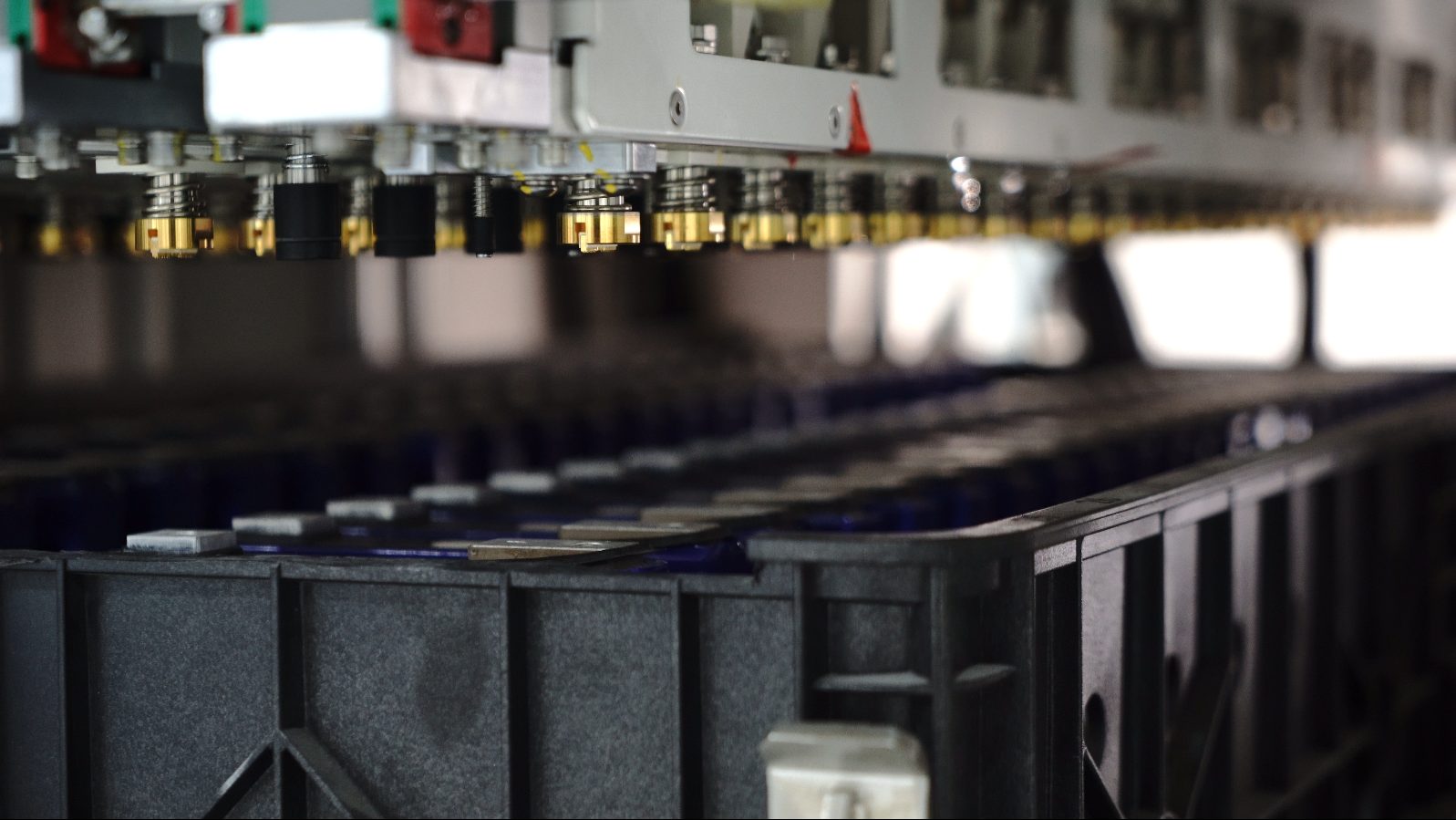
Comparatively, a traditional line acts like a rear-view mirror; an adaptive line is more like a dashboard with a co-pilot. One reacts; the other anticipates. And that shift isn’t just tech talk. It shows up in fewer recipe edits, tighter capacity spread, and steadier first-pass yield. It also accelerates learning cycles; when the system tags each cell with its process fingerprint, engineers can prove which parameter mattered most. That shortens trials from weeks to days. The punchline is plain: when the equipment learns, the team stops firefighting and starts optimizing—an everyday upgrade that feels almost quiet.
To choose well, measure what matters. Advisory note: 1) Closed-loop response time from detection to correction, in milliseconds, not minutes. 2) Traceability depth, from slurry batch to cell-to-pack genealogy, searchable in your MES. 3) OEE uplift over 90 days, including stable FPY and shorter mean time to detect root cause. These are the signals that a solution will hold up under pressure and scale with demand. For a grounded view of integrated lines and controls, see LEAD.