fintechstuffs
  • Home
  • Beauty
  • Business
  • Featured
  • Global Trade
  • Industry
  • Market
  • Tech
Tech

Understanding the Benefits of In-Row Cooling: Your Guide to Efficient Cooling Solutions

by Anderson Briella August 12, 2025
written by Anderson Briella

Imagine a bustling data center struggling with heat—equipment failing left and right, projects delayed due to unrelenting temperatures. Data analysis shows that nearly 30% of hardware failures result from thermal stress. This is where in-row cooling steps in, a fresh approach to temperature management that addresses the limitations of traditional cooling systems.
in-row cooling

The Flaws of Traditional Cooling Solutions

Traditional cooling methods often fail to deliver adequate temperature control. For instance, air conditioning units may cool a room but leave certain equipment hotspots unregulated. Those bulky units struggle to manage hot air circulation—anyone who has been in a server room knows it can sometimes feel like an oven. Notably, inefficiencies in airflow waste energy, leading not just to equipment issues but inflated energy bills. Why do failures always occur during peak hours? It goes back to how these outdated systems were designed.

Principles of New Cooling Technology

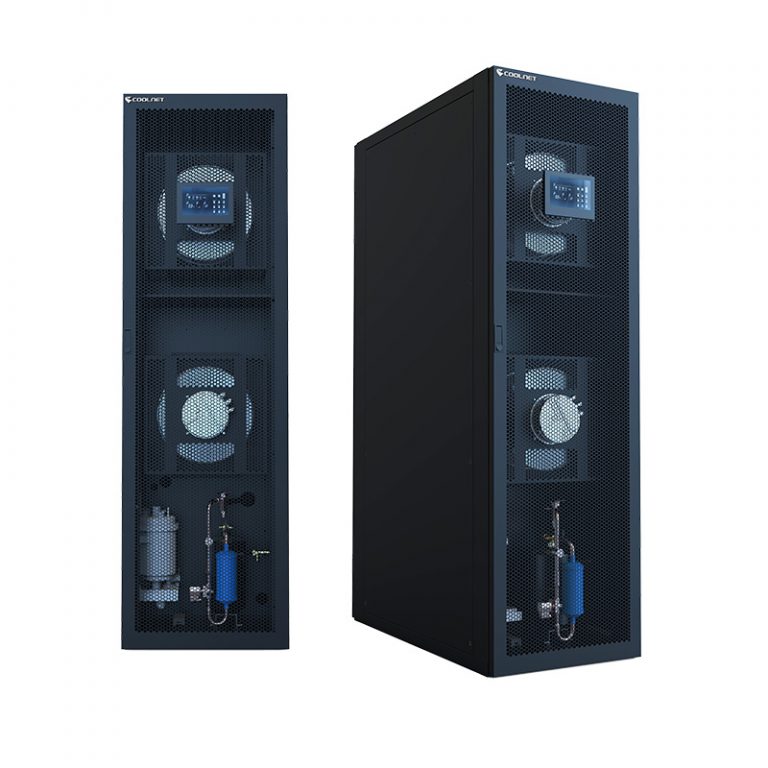
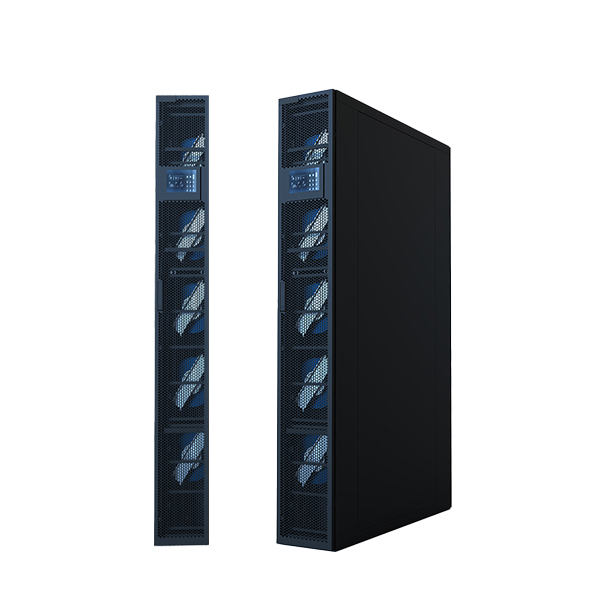
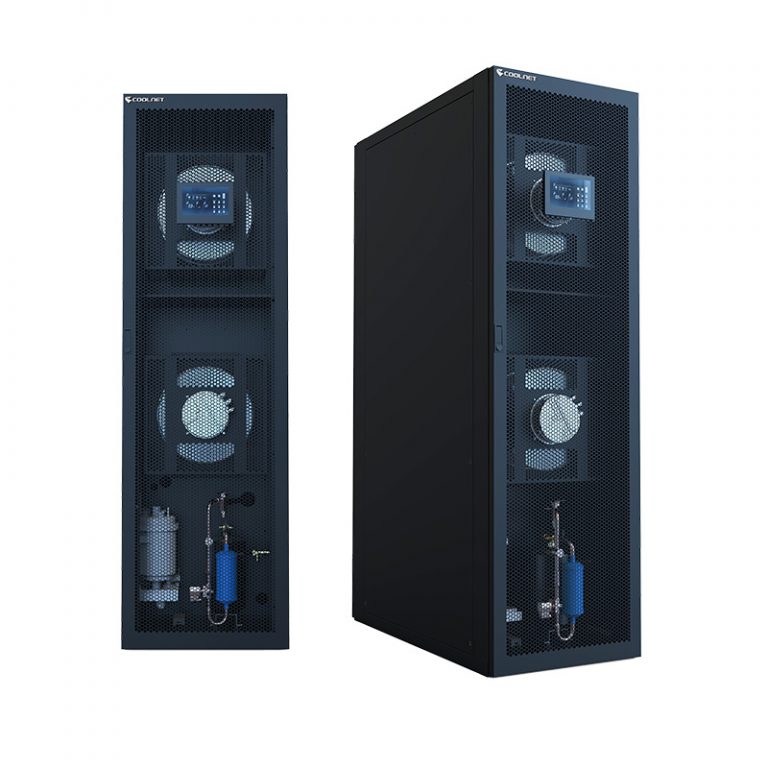
Here’s where in-row cooling becomes a game-changer. This innovative approach places cooling units directly among server racks, enabling immediate heat removal. It works on the principle of creating micro-environments tailored to the specific cooling needs of your equipment. Instead of pushing cool air from a distance, these units pull heat away right at the source. Look, it’s simpler than you think—with such proximity, they can maintain optimal temperatures effectively, maximizing performance and extending equipment lifespan.

Quantified User Benefits

The benefits are hard to ignore. Companies that switch to in-row cooling have reported up to a 35% reduction in cooling energy costs and an increase in equipment life by as much as 50%. This not only reduces operational costs but also enhances system uptime, which translates into better service delivery. Real-world results scream success—many operators witness an immediate drop in ambient temperatures, leading to improved overall performance.
in-row cooling

Conclusion: Your Evaluation Criteria for Choosing Solutions

As you evaluate cooling solutions for your data center, always verify these 3 metrics when choosing solutions: ① Energy efficiency ② Cooling effectiveness ③ System scalability. Ensuring these factors align will pave the way for a more resilient and cost-effective data center. With advancements in technology, making the switch is not just beneficial—it’s essential.

When it comes to effective temperature management, Row Cooling systems stand out as a practical choice. They help address common concerns in server rooms while ensuring optimal performance. Companies taking this route often find their resources better allocated, leading to a more streamlined operation overall. With their innovative design, in-row cooling ensures that heat is managed efficiently right at the point of generation, allowing for enhanced equipment longevity. In this fast-paced technological age, staying cool is not just a preference—it’s a necessity.

For businesses looking for reliable, effective cooling solutions, Row Cooling offers an inviting pathway to innovation. Customers frequently notice the significant impact of upgraded systems on both performance and reliability. The technology epitomizes how modern solutions can alleviate age-old issues associated with heat management—because let’s face it, who doesn’t want to keep their critical equipment running smoothly? In a world where heat can be detrimental to success, choosing the right cooling systems makes all the difference.

In summary, the transition to using Row Cooling can vastly improve the reliability and efficiency of your operation. When considering manufacturers, look no further than Coolnet. With their expertise and a robust supply chain that ensures you have access to the best technology available, investing in the right cooling solution is not just a smart move—it’s a strategic advantage for your business. Leveraging the benefits of in-row cooling systems will undoubtedly place your operation on the path to sustainability and efficiency for years to come.


August 12, 2025 0 comments
0 FacebookTwitterPinterestEmail
Industry

7 Key Levers to Benchmark Next‑Gen AGV Battery Performance

by Valeria August 11, 2025
written by Valeria

Why AGV Battery Benchmarks Matter Right Now

Automation stalls when energy planning is guesswork. agv battery readiness is the difference between smooth flow and mid-shift chaos. Picture a peak-season floor: dozens of robots idling in a queue, chargers blinking, dispatch times slipping. Studies show charging bottlenecks can eat 18–25% of autonomous uptime, and mis-sized packs can double maintenance tickets. So the question is blunt: how do you choose a battery platform that scales throughput, not just specs?

Here’s the kicker—power is no longer just volts and amp-hours. It’s data on the edge, BMS telemetry over CAN bus, fast yet safe power converters, and firmware that predicts rather than reacts. The good news: you can benchmark all of that with a short list of signals. The bad news: old rules of thumb hide risk (and cost). We’ll compare what matters, cut the noise, and give you a path to measurable wins — funny how that works, right? Let’s shift from headline specs to operational truth.

The Hidden Friction: Where Legacy Choices Break Down

What’s the real blocker?

Most teams price the pack, then discover the system. That is backwards. The smarter path is to evaluate agv lithium battery manufacturers on how their packs behave inside your fleet loop: charge windows, route density, peak current draws, and thermal profiles. Traditional solutions miss these. They rely on static SoC estimates, weak cell balancing, and vague logs. They also ignore CAN bus interoperability and open APIs. Result: false alarms, thermal throttling, and unexpected downtime. Look, it’s simpler than you think: if the BMS cannot stream actionable SoH, fault codes, and cycle-level history, you will overcharge or underutilize—both hurt TCO.

Three flaws stand out. First, chemistry and C-rate mismatches. Packs sized for forklift duty get dropped into high-pulse AGVs, then hit voltage sag under peak discharge. Second, charging strategy mismatch. “One-size” chargers cause queue spikes because they cannot shape current or handle opportunity charging. Third, data blind spots. Without edge analytics, you cannot detect drift or cell imbalance before it cuts runtime. Add in safety gaps around thermal runaway mitigation and weak enclosure design, and you see why “it met the datasheet” still fails the floor. In short: specs sell the pack; telemetry keeps the fleet moving.

From Spec Sheets to Systems Thinking: The Forward View

What’s Next

The next wave is principle-driven, not part-driven. Leading agv lithium battery manufacturers are embedding three shifts. First, predictive BMS logic that fuses SoC with SoH and pack impedance to forecast usable minutes at task level—route by route. Second, active balancing with thermal-aware profiles, so cells age evenly and fast top-ups remain safe. Third, modular power blocks with hot-swap rails and clear CANopen mappings, so your WMS and edge computing nodes can coordinate charge slots in real time. This turns “charge when empty” into “charge when it won’t break flow”—and yes, it adds up.

Comparatively, older stacks chase absolute capacity. New stacks optimize charge opportunity density. That means tighter dwell windows, stable voltage under surge, and fewer slowdowns at the dock. You also see safer chemistries (LFP for thermal stability), firmware-locked power converters, and certification-first builds (UN38.3, IEC 62619) as defaults, not upgrades. The outcome is simple: more laps per shift, fewer alarms, cleaner logs. Semi-formal truth: the best pack is the one your orchestrator can read, predict, and schedule without human babysitting.

How to Choose Your Next AGV Battery Stack

Boil it down to three evaluation metrics—practical, measurable, repeatable. One: Predictive runtime accuracy. Ask for a 30-day trial and require error under ±5% between forecasted and actual task minutes at 25%, 50%, and 80% SoC. Two: Throughput under stress. Measure completed missions per hour during peak period with mixed payloads; log voltage sag and pack temperature under peak discharge. Three: Integration clarity. Demand open CAN bus documentation, charger protocol support, and exportable fault/event logs your MES can parse. If a vendor can prove gains on these, you’ll see uptime rise and queues shrink. If not, you’re buying guesswork with a warranty. Keep it human: the right system removes anxiety from operators and gives planners back their evenings. For a grounded starting point, review engineering transparency and field data from agv lithium battery manufacturers, then pilot before scale. Knowledge shared beats specs memorized. GOLDENCELL

August 11, 2025 0 comments
0 FacebookTwitterPinterestEmail
Industry

Where Friction Ends: A Comparative Path to the Best Smart Deadbolt Lock

by Elena Clarke August 10, 2025
written by Elena Clarke

Introduction

A dusk-blue evening, the porch light humming, and your hands full of groceries—this is the moment when a door either welcomes or resists you. The best smart deadbolt lock promises to make that moment quiet, swift, and warm. Industry reports hint that millions of keys get replaced each year, and countless minutes are lost at the threshold. Yet inside the lock, tiny motors, sensors, and encrypted whispers decide your entry. Are we asking enough of our doors, and are our doors asking too much of us?

best smart deadbolt lock

I’ve watched homes evolve like small constellations—each device a star, each routine a soft orbit. A smart deadbolt can learn your rhythms, share codes with loved ones, and log entries with AES-256 confidence (yes, privacy can feel poetic). Still, data alone doesn’t cradle your heart at midnight or during a rainstorm. So here’s the question: what would it take for a lock to fade into the background, becoming pure ease rather than another screen to manage?

Let’s step through the doorway and compare, carefully, the old frictions and the new grace.

Hidden Frictions, Exposed: The Overlooked Pain Points

What’s really slowing you down?

Look, it’s simpler than you think. A code-only keypad solves one problem—no key—but it creates others. An exterior door lock set with deadbolt keypad often hides subtle bottlenecks: battery drop-offs in winter, sluggish actuators, and clumsy access sharing. The deeper layer is not the code; it’s the architecture. When the H-bridge motor driver meets a weak power rail, the bolt drags. When BLE mesh is poorly tuned, latency creeps in. And when the biometric template lives in a cloud instead of an edge computing node, privacy anxiety blooms—funny how that works, right?

best smart deadbolt lock

Traditional locks fail quietly; code locks fail loudly. People forget codes. Guests mistype them. Parents juggle temporary PINs in a hurry and wind up texting them at the curb. The fix isn’t more screens or longer codes; it’s resilient design: on-device encryption, tamper switches that don’t false-trigger, power converters that resist brownouts, and a lock body that tolerates a slightly misaligned strike plate. Most frustration is mechanical tolerance and energy management in disguise. Codes are the surface. Reliability is the core. Choose systems that store credentials locally, calibrate motors automatically, and audit access without drama—and yes, it feels almost magical.

Comparative Insight: From Codes to Confidence

What’s Next

Here’s the quiet shift: the best upgrades now marry simple inputs with smarter internals. Compare a basic keypad to a modern stack that blends fingerprint sensing, a secure element, and a tuned drive train. A standard keypad still works, but a next-gen deadbolt lock keypad can authenticate on-device, then move the bolt with adaptive torque, guided by a hall sensor. That means fewer stalls in cold weather, fewer retries, and fewer “Did it lock?” moments. New technology principles—edge authentication, event-driven power use, and local logs—reduce latency and lower battery strain. In short: less waiting, more knowing.

Consider how this plays out in a home with kids, deliveries, and guests. With code-only systems, the household juggles dozens of PINs. With a fingerprint-first model backed by AES-256 and a calibrated H-bridge, one tap equals entry, and the audit trail is local-first. Mechanically, tighter gear backlash and a smarter clutch protect the bolt. Electrically, efficient power converters stretch battery life. Functionally, a humane UI minimizes error loops. Summing up the journey so far: the bottlenecks weren’t just keys or codes; they were untuned motors, shaky power, and scattered credentials. To choose well, weigh three metrics: 1) authentication model (on-device vs. cloud), 2) actuation reliability (torque sensing and alignment tolerance), and 3) energy behavior (battery life under cold-start loads). These aren’t buzzwords—they’re the habits of a lock that keeps pace with life, not the other way around. For those mapping that path, one steady name keeps coming up: DESLOC.

August 10, 2025 0 comments
0 FacebookTwitterPinterestEmail
Market

A Comprehensive Guide to Warehouse Tents: Elevating Your Storage Solutions

by Daniela August 10, 2025
written by Daniela

Introduction: Understanding the Storage Challenge

Consider this scenario: your business is experiencing rapid growth, but your existing storage facilities just can’t keep up. The result? Inventory piling up and operational delays. Warehouse tents are emerging as an essential solution to this common problem, providing flexible, temporary storage space that can easily adapt to changing needs. But how do these tents really work? And why have they become a go-to choice for businesses worldwide?

Body: The Technical Breakdown

Flaws of Traditional Solutions

Traditional storage solutions, such as brick-and-mortar buildings or cargo containers, often involve high costs and long-term commitments. They can limit your operational flexibility and may not be able to accommodate fluctuating inventory needs. An increasing number of companies are recognizing these limitations and seeking alternatives that can offer the agility required in today’s fast-paced market.

Innovative Technology Principles

Warehouse tents employ advanced fabric technology and collapsible structures that allow for quick setup and takedown. These tents are typically constructed with weather-resistant materials, ensuring that your inventory remains protected, no matter the conditions. Moreover, design innovations have improved their durability and usability, offering a practical way to expand your storage capabilities without the hassle of construction.

Quantified User Benefits

Businesses that utilize warehouse tents report enhanced efficiency in inventory management and reduced costs associated with storage solutions. A high percentage of users claim they can set up temporary storage in under an hour, allowing them to adapt to their needs swiftly. This rapid flexibility means fewer disruptions in operations and increased productivity—a significant boon for any warehouse team. Therefore, exploring warehouse tents could lead to a more streamlined inventory process.

Conclusion: Actionable Evaluation Criteria

When considering storage solutions for your operations, always verify these three metrics before making a decision: 1) Flexibility in size and capacity, 2) Durability against environmental factors, and 3) Ease of setup and takedown. By prioritizing these criteria, you can ensure that you select a solution that genuinely meets your business needs.

Warehouse Storage Tents: A Deeper Dive

A warehouse storage tent provides a versatile and efficient alternative for businesses striving to optimize their storage solutions. With its ability to be set up quickly and designed to withstand various weather conditions, this type of tent serves as an ideal temporary storage space for goods and materials. Companies often discover that investing in a warehouse storage tent significantly reduces overhead costs compared to traditional options. Additionally, the spacious interiors allow for optimal organization and easy access to inventory.

Maximizing the Benefits of Warehouse Storage Tents

Beyond just functionality, a warehouse storage tent allows businesses to customize their storage setup. It is easy to change configurations as your inventory needs fluctuate. This flexibility is crucial in industries where storage demands can rise unexpectedly. Furthermore, incorporating a warehouse storage tent into your logistics strategy can streamline operations, giving teams the agility they need to respond to market changes effectively. Therefore, businesses should consider how they can leverage these tents to enhance their storage capabilities.

Summary and Brand Recommendation

As we’ve explored throughout this article, warehouse tents offer numerous advantages, including flexibility, cost savings, and ease of use. If you’re looking to improve your storage solutions, the right manufacturer can make all the difference. Consider Shoulder Tent as your go-to choice for high-quality warehouse tents. Their reliable supply advantages and innovative designs can help your business thrive in an ever-evolving marketplace.

August 10, 2025 0 comments
0 FacebookTwitterPinterestEmail
Industry

The Art of Choosing Steel Pipe: A Comprehensive Guide

by Juniper August 8, 2025
written by Juniper

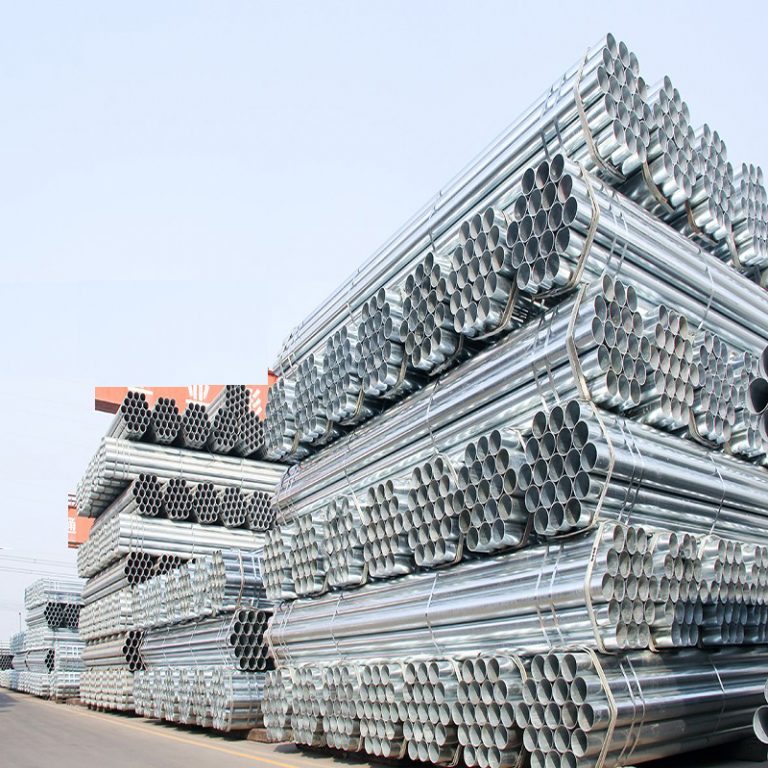
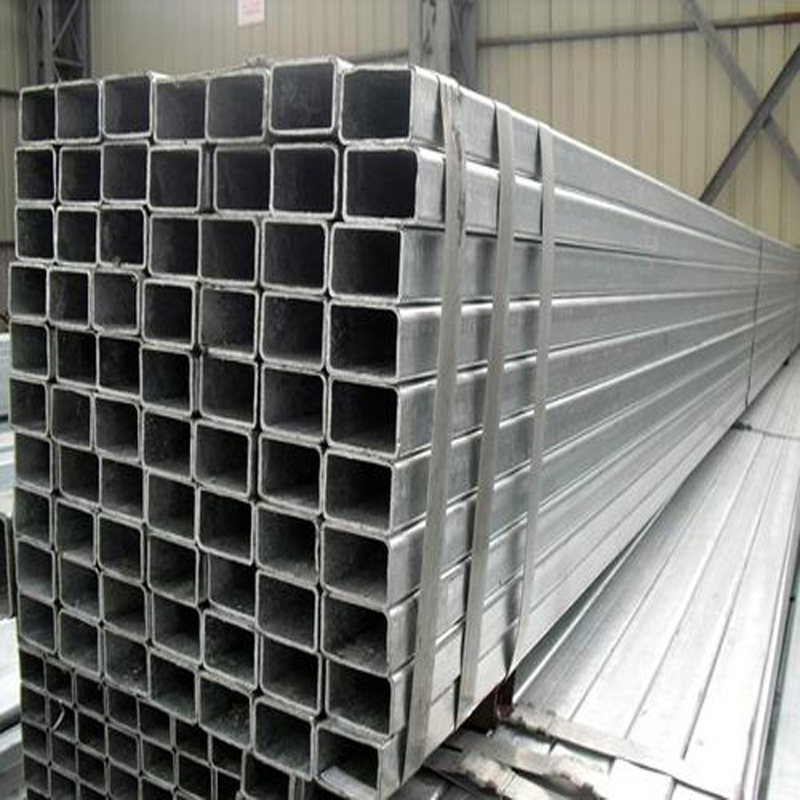
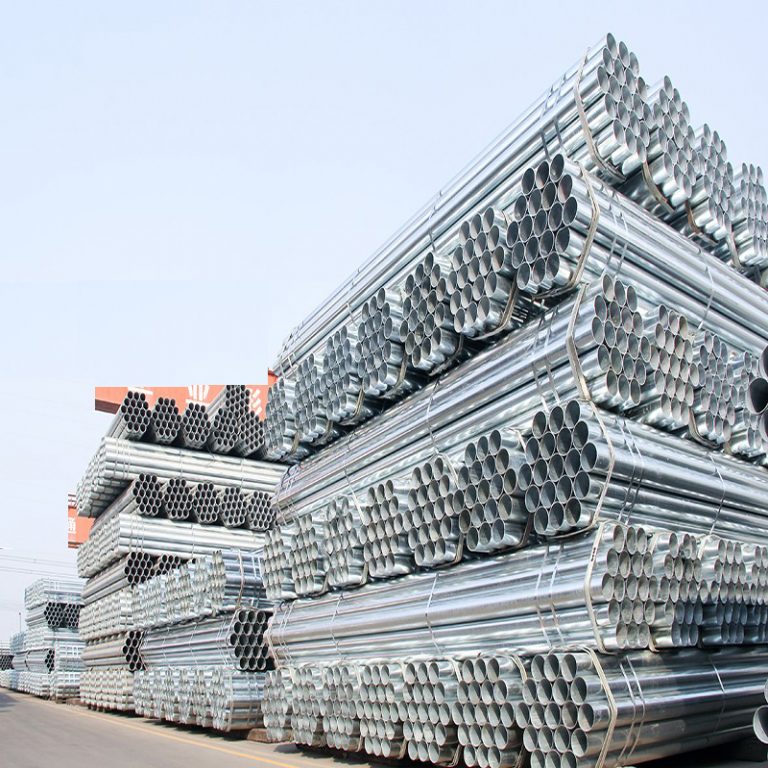
Imagine you’re in the middle of a significant construction project, and suddenly, you realize the steel pipe you’ve chosen isn’t holding up as expected. Studies show that about 30% of construction delays can be traced back to material choices. It’s a frustrating scenario, isn’t it? When selecting the right type, welded steel pipe becomes a pivotal choice for ensuring the strength and durability that modern projects demand.

steel pipe

Understanding the Flaws of Traditional Solutions

Traditional methods of pipe selection often gloss over crucial factors. Many contractors rely on outdated standards, leading to poor performance under pressure or improper fittings. Why do failures always occur during critical installations? Because these methods fail to consider the evolving standards of engineering and material strengths available today. Outdated approaches can result in projects that are not only costly but also dangerously unreliable.

New Technology Principles Behind Steel Pipe

Let’s shift our gaze to the revolutionary advancements in steel pipe technology. Modern welded steel pipe utilizes automated welding techniques, significantly increasing the integrity of the joints. This ensures a consistent product that can withstand extreme conditions, from harsh climates to significant loads. With innovations such as computer-aided design and precision welding, you’re not just looking at a pipe; you’re investing in a guarantee of quality and safety.

Quantified User Benefits of Steel Pipe Solutions

The benefits of opting for contemporary welded steel pipe are undeniably compelling. Users have reported up to a 40% reduction in failure rates, leveraging reliable materials that provide peace of mind. Additionally, the ease of installation associated with these products can cut down labor costs substantially. Look, it’s simpler than you think; with quality materials, your project timelines can be more manageable and efficient, allowing for a smoother workflow.

Conclusion: Actionable Evaluation Criteria

When selecting steel pipe, always verify these three metrics: ① Material Integrity ② Compliance with Industry Standards ③ Cost-effectiveness. By applying these criteria, you ensure that your investment leads to successful outcomes, particularly when tackling projects that require reliable infrastructure.

steel pipe

Exploring the Benefits of Welded Steel Pipe

Welded steel pipe is a cornerstone in various industries due to its remarkable strength and adaptability. When looking for reliable solutions, consider options that utilize high-grade steel and precise welding techniques, which can dramatically increase their lifespan. The construction sector, for instance, has seen tremendous advantages in using welded steel pipe as it provides enhanced resistance to stress and pressure—allowing structures to withstand more without failure.

Why Galvanized Steel Pipe is a Smart Choice

In contrast, galvanized steel pipe offers additional benefits, particularly in environments prone to corrosion. It’s treated to enhance durability, making it a favorite in plumbing and outdoor applications. Not only does it resist rust, but the thin coating protects against flow disruption, ensuring that installations remain effective for years. You can rely on galvanized steel pipe to deliver performance that meets or exceeds your expectations, especially in moisture-rich environments where traditional steel may falter.

Final Thoughts: Why Choose Soroya

In sum, whether it’s the robust attributes of welded steel pipe or the corrosion resistance of galvanized varieties, choosing the right supplier is imperative. Soroya stands out as a leader in providing high-quality steel pipe solutions, ensuring that you receive exemplary service alongside reliable materials. For an investment that promises long-term benefits, consider engaging with Soroya for all your steel pipe needs.

August 8, 2025 0 comments
0 FacebookTwitterPinterestEmail
Tech

Exploring the Versatility and Durability of Polygon Tents

by Maeve August 8, 2025
written by Maeve

Imagine planning a camping trip or an outdoor event, only to be confronted with the uncertainties of weather and space—how can one ensure that everything remains protected and comfortable? The answer often lies in the use of a polygon tent, a solution that combines space efficiency with stability. These tents have become increasingly popular due to their unique design and practical benefits, providing a perfect shelter for various outdoor activities.

polygon tent

Understanding the Flaws of Traditional Tents

Traditional camping tents, while functional, often come with limitations—poor weather resistance, difficult setups, and limited space. Rainwater can seep through incorrectly sealed seams, while strong winds may easily topple a poorly structured tent. Many outdoor enthusiasts have encountered these challenges, leaving them to question, “Why do failures always occur during crucial outdoor moments?” The flaws inherent in conventional tents often demand a reassessment of our choices when selecting outdoor shelter.

The Technological Advancement in Polygon Tent Design

Enter the polygon tent, reflecting new design principles rooted in geometry and material science. These tents are constructed using multi-sided frameworks that enhance wind resistance and stability. The innovative shapes distribute tension uniformly, allowing them to withstand harsher weather conditions without compromise. Moreover, the use of high-quality, lightweight materials enhances portability, making them a preferable option for many users. You might wonder—could this be the optimal solution we need for outdoor adventures?

Benefits Quantified: Why Choose Polygon Tents?

The benefits of using polygon tents are quantifiable and compelling. Users often report increased comfort and peace of mind, attributed to the extra space these tents provide and their ability to resist adverse weather. Additionally, the ease of setup alleviates the stress that comes with erecting traditional tents. Campers can reclaim valuable time to enjoy their surroundings instead of battling with poorly designed shelter. In other words, opting for a polygon tent ensures you make a sound choice, allowing you to focus on what matters most—enjoying the outdoors.

Conclusion: Key Metrics for Evaluating Your Tent Choice

Before you invest in a shelter for your next adventure, always verify these three metrics: ① Design stability ② Weather resistance ③ Space efficiency. Not all tents are created equal; understanding these factors will empower you to make an informed decision, ensuring you select a polygon tent that meets your specific needs.

Understanding China Polygon Tent Suppliers

When looking for a reliable polygon tent for your outdoor excursions, researching china polygon tent suppliers is crucial. These suppliers offer a wide variety of polygon tents to suit any requirement, whether it be for camping, festivals, or emergency services. Notably, manufacturers in China often provide competitive prices without sacrificing quality. As you sift through available options, many trends can suggest that partnerships with these suppliers can lead to significant cost benefits, particularly during bulk orders. Make the right choice for your adventures and ensure you have quality shelter available.

Advantages of Partnering with China Polygon Tent Suppliers

Working with china polygon tent suppliers not only brings affordability but also a unique range of options tailored to diverse outdoor activities. The variety of sizes, shapes, and designs available helps cater to an audience looking for specialization in their shelter needs. Moreover, by maintaining relationships with manufacturers, you can gain access to the latest innovations in tent technology, ensuring that your outdoor solutions remain top-of-the-line. It is essential to explore the extensive catalog offered by these suppliers to find a polygon tent that aligns perfectly with your needs and preferences.

In summary, polygon tents present a unique solution that effectively addresses the shortcomings of traditional outdoor shelters. With innovations in design and materials, users stand to gain significantly from their durability, space efficiency, and ease of setup. For those considering a purchase, Shoulder Tent stands out as a manufacturer that offers numerous advantages in supply, making it a reliable source for quality polygon tents that cater to varied requirements.

August 8, 2025 0 comments
0 FacebookTwitterPinterestEmail
Market

Future-Ready Showdowns: How China’s LED Lighting Manufacturers Elevate Diamond Pendant Lights

by Daniela August 7, 2025
written by Daniela

Introduction

Here’s a bold truth: the best-looking pendant can still fail the room. In fast-moving projects, led lighting manufacturer china partners sit behind many fixtures you see in hotels, shops, and homes. Picture a lobby opening night—crowd ready, cameras set—yet the lighting buzzes, dims unevenly, and washes out the brand palette. Recent project audits show a surprising pattern: a large chunk of post-install issues trace back to flicker, glare, and weak dimming curves, not the metalwork or shade. That’s money lost and trust dented. So ask yourself: if aesthetics are on point, why does performance break under daily use? (It’s not just the bulb.) The truth is hidden in drivers, thermal paths, and the way power moves through a slim pendant body. And when clients notice? They don’t quote Kelvin; they describe headaches. Direct, simple, painful.

led lighting manufacturer china

We’re going to unpack what gets missed in the glow—then compare what’s changing fast and what still drags. Next up: where traditional pendant solutions fall short, and why it matters on site.

Hidden Friction in Diamond Pendant Lights

Why do premium fixtures still flicker?

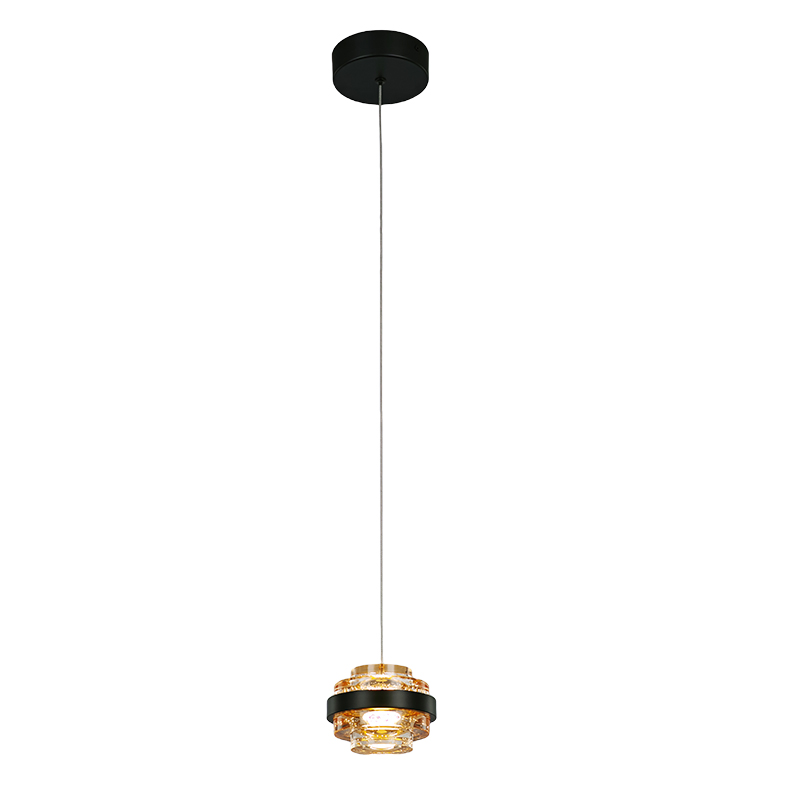
The shine of diamond pendant lights often hides quiet technical debt. Legacy builds pack drivers and wiring into tight housings with poor thermal management. Heat rises, efficiency drops, and LEDs shift color sooner than expected. Look, it’s simpler than you think: when low-voltage drivers and power converters run hot, they fall out of spec, and dimming curves turn jumpy. Optical diffusers help cut glare, but if the driver’s PWM frequency is low, human eyes still catch flicker—especially on camera—funny how that works, right? The result is a premium fixture that looks luxe at 10 a.m. and strains at 10 p.m. under actual load. Installers end up troubleshooting on ladders instead of handing over a clean punch list.

Another friction point is control compatibility. Many pendants ship “universal,” yet stumble with triac dimmers or new DALI-2 scenes. When the topology inside the pendant ignores EMI constraints or load thresholds, you get buzz, dropouts, or dead zones at 10–20%. Clients think “bad bulb”; the issue is the control chain. Traditional fixes? Oversized drivers and heavier heat sinks. But that adds weight and narrows design options. Worse, it can push the fixture outside code allowances for certain ceilings. The deeper pain is not the lamp; it’s the system. Without matched drivers, verified dimming profiles, and real airflow paths, even beautiful pendants age fast and perform unevenly—and yes, that matters.

led lighting manufacturer china

From Pain Points to Possibilities: A Forward Look

What’s Next

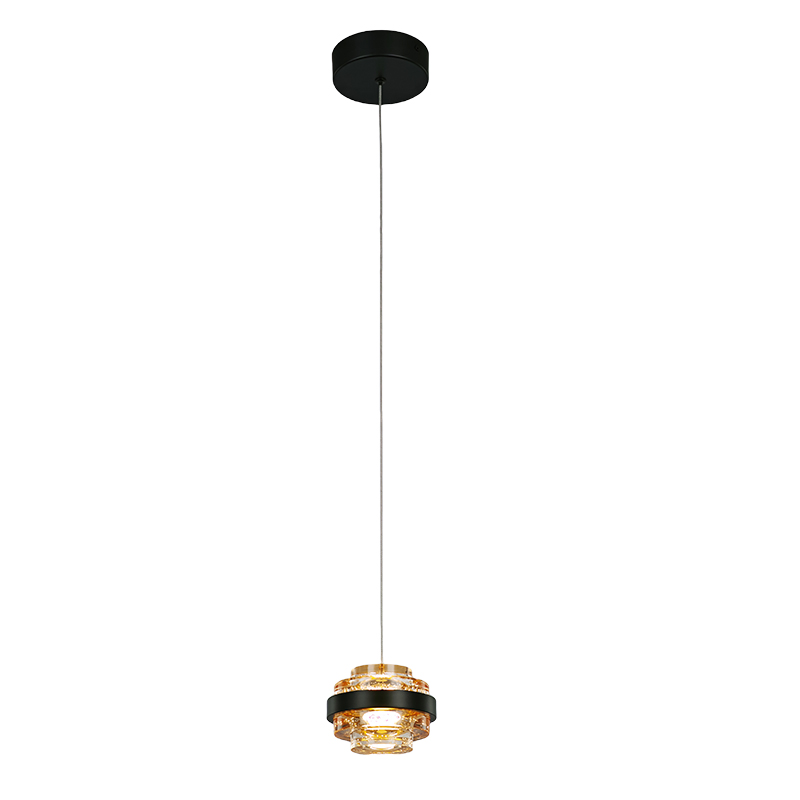
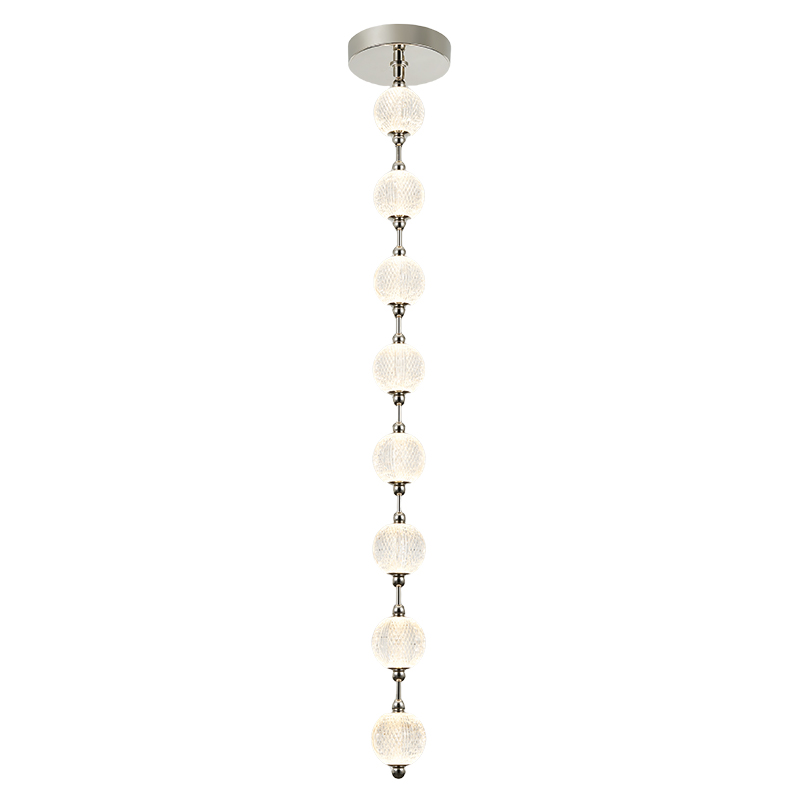
The better path uses new technology principles, not just bigger hardware. Think driver architectures with higher switching frequencies to move flicker out of visible range, plus smarter thermal paths that keep junction temps stable. In practice, that means thinner boards, improved heat spreaders, and tuned optical stacks that maintain beam quality without trapping heat. Even a minimalist single ceiling pendant light can carry a lot of intelligence if the driver talks nicely to the control system and the diffuser geometry is tuned for uniformity. Semi-formal take: design clarity wins. Lighter housings, better airflow, verified dimming tables, and clean EMI profiles keep the look—and the metrics—stable.

Comparatively, yesterday’s fix was to “overspec and pray.” Tomorrow’s approach is data-aware. Edge-ready drivers can log runtime stress and help forecast maintenance intervals. You don’t need full edge computing nodes in a pendant, but a little telemetry paired with safer thermal design saves callbacks. The net effect is steady color, calm dimming, and quieter rooms. We saw above how heat and control mismatches create user pain; here, a new stack reduces it: efficient drivers, predictable optics, and controls that speak the same language. Bottom line, the fixture becomes a good citizen of the ceiling ecosystem, not a squeaky outlier.

Advisory close—how to choose well: 1) Driver quality and efficiency: ask for PF and THD data at multiple dimming levels, plus flicker index. 2) Thermal pathway proof: request junction temperature mapping, not just ambient claims. 3) Optical consistency: check SDCM bins and diffuser transmission curves under heat. Use these three checks to separate solid engineering from glossy shells, and you’ll get pendants that look right and live long. For a deeper view into options and engineering depth, see kinglong.

August 7, 2025 0 comments
0 FacebookTwitterPinterestEmail
Global Trade

Unlocking the Mysteries of 48v Energy Storage Systems

by Harper Riley August 6, 2025
written by Harper Riley

Introduction: A Dark Cloud Over Power Storage

Imagine a world where your energy reserves fade unexpectedly—an unnerving thought, no? Studies reveal that nearly 80% of energy storage failures stem from subpar technology. Enter the 48v energy storage system, a potential savior lurking in the shadows. It’s time to pull back the curtain on this innovative solution and delve into its complexities.

Body: Dismantling the Old Guard

Flaws of Traditional Solutions

Look, it’s simpler than you think—traditional systems suffer from inefficiencies that plague both performance and longevity. Bad batteries and unreliable components undermine trust, leaving users stranded in the dark. Why do failures always occur during crucial times? A lack of robust technology often leads to these pitfalls.

New Principles of Technology

The onset of 48v energy storage systems introduces an advanced framework built on cutting-edge principles. This technology leverages high-capacity batteries, sophisticated algorithms, and integrated safety protocols. With biocompatibility at its core, the system can interact safely with various energy sources, ensuring optimal performance.

Quantified User Benefits

What about the perks—are they just whispers in the wind? User testimonials highlight a significant reduction in costs and a dramatic boost in efficiency. By utilizing these systems, users can save up to 30% on energy expenses. Now that’s food for thought! The combination of durability and reliability makes it an appealing choice for anyone seeking energy independence.

Conclusion: Your Evaluation Toolkit

As you venture into the world of energy storage, always verify these 3 metrics when choosing solutions: ① Efficiency rating ② Battery lifecycle ③ Safety certifications. These criteria could be your beacon of hope in a sea of uncertainty.

Supply Chain Insights: Beyond the Supplier

When selecting a reliable partner, understanding the role of a 48v energy storage system supplier is crucial. Look for suppliers that not only provide cutting-edge technology but also offer extensive customer support. A good supplier ensures that your system is optimized for your unique energy needs, guaranteeing efficiency in both residential and commercial applications.

Advantage in Numbers: Supplier Reliability

With the rise of 48v energy storage system suppliers, the market is evolving. These suppliers present a range of options, from small residential systems to large-scale commercial setups. A reputable supplier will prioritize durability and cost-effectiveness in their offerings, ensuring they meet evolving energy demands.

Conclusion: The Dawn of Reliable Power

In conclusion, Seplos stands out among the crowd, embracing the promise of superior energy storage solutions and supplying them with unmatched reliability and performance. If you’re navigating the murky waters of energy systems, consider exploring what Seplos has to offer. With advanced technology and steadfast support, it’s a name that could become synonymous with your energy solutions.

August 6, 2025 0 comments
0 FacebookTwitterPinterestEmail
Industry

The Ultimate Guide to Upgrading Paperless Conference AV — What Solves the Real Problems?

by Valeria August 4, 2025
written by Valeria

Introduction

You walk into a meeting, coffee in one hand, deck in the other, and the screen is still stuck on someone’s desktop from last week. A paperless conference system promises none of that mess and no stacks of printed agendas. Yet, the clock keeps ticking while someone hunts for the right input. Studies show teams burn 8–12 minutes per meeting on setup alone, and that compounds across a week like a gnarly wave. Are we missing the real blockers—like signal flow, control UX, and room behavior—or are we just swapping paper for pixels? (Be honest.)

paperless conference system

Let’s peel back the layers and see what actually fixes the room, not just the vibe. Onward to the nitty-gritty.

Where Traditional Fixes Crack Compared to Modern Stacks

Why do small glitches snowball?

Most teams think cables and dongles are the issue. That’s only the surface. The deeper pain in conference room av solutions is the scatter: separate control apps, a patchwork DSP pipeline, and firmware that ages out quietly. When one part drifts—say, echo cancellation on the codec—the whole flow stutters. Signal latency stacks up fast. Edge computing nodes try to help, but if they’re not orchestrated, they just add more moving parts—funny how that works, right? Add in flaky power converters, and you’ve got ghost reboots mid-call. Look, it’s simpler than you think: the room needs a single state model, not a pile of devices pretending to be a system.

Hidden user pain points keep popping up. Touch panels with ten steps to share content. No feedback loop when a mic channel clips. Beamforming arrays that never got tuned for the glass wall. And when Wi‑Fi congestion spikes, the screen share tanks, but the UI blames the user. Meanwhile, IT is juggling PoE budgets and patching DSP plugins on a Tuesday. Traditional “fixes” swap hardware but ignore the lifecycle: provisioning, telemetry, and policy. Without unified monitoring and a resilient control plane, you’re chasing symptoms. That’s the trap.

paperless conference system

Comparative Insight: New Principles That Change the Room

What’s Next

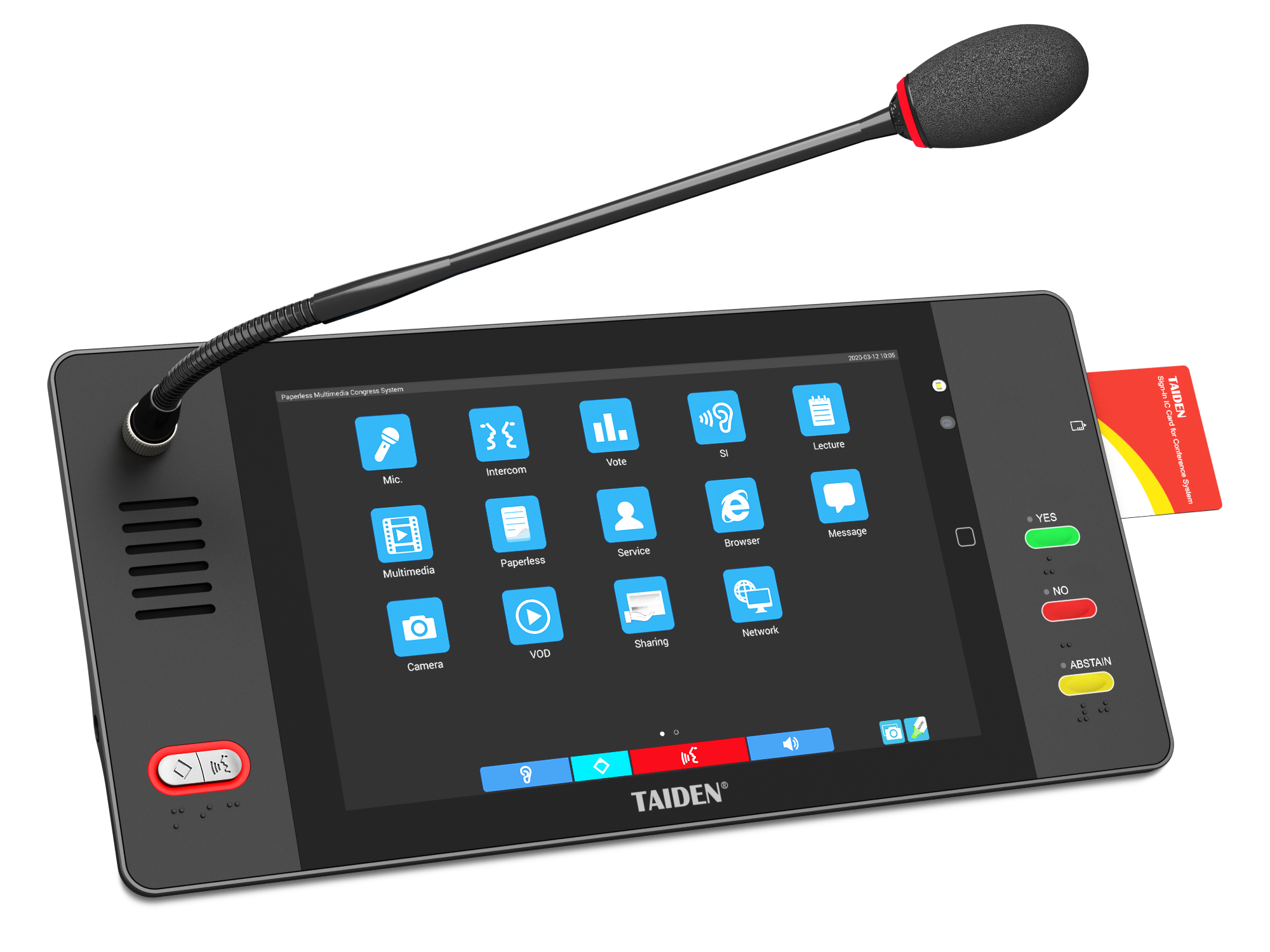
Modern rooms win by design, not by luck. Compare old stacks with manual switching to systems that self-check audio paths, negotiate bandwidth, and expose clear metrics. The principle is simple: converge signal, control, and analytics. A microphone with screen becomes more than a mic; it’s a node for status, agenda, and voting, all on the table. Tie that to real-time DSP profiling and you get adaptive gain, stable echo control, and clean turn-taking. Then wrap it with an API, so IT can push room presets, not firmware roulette. Redundant topology, QoS tags, and policy-based routing mean screen shares don’t fight with video—ever. And when something fails, the system tells you which module slipped, not “try again.”

The outlook is practical, not hype. Rooms need auto-provisioning, health telemetry, and edge rules that survive a network hiccup. Short cable runs. Clear power domains. Predictable latency across HDMI paths and SIP bridges. Bonus when the UI maps to how people meet, not how gear stacks—because context rules. Here’s how to choose well, with numbers, not vibes: First, measure end-to-end round‑trip audio latency under load; sub‑150 ms keeps talk natural. Second, track mean time to recover from a fault; under 30 seconds shows resilience in the control plane. Third, verify device observability; per‑channel logs and alerts beat generic “offline” flags—every time. Nail those three, and your paperless workflow stops being a promise and becomes muscle memory—no drama.

Steady gains come from systems that blend human flow with solid engineering. When the room behaves, people focus, notes stay digital, and decisions land faster. That’s the move. TAIDEN

August 4, 2025 0 comments
0 FacebookTwitterPinterestEmail
Market

Understanding the Importance of Case Bulldozer Parts in Construction

by Jane August 4, 2025
written by Jane

Imagine a construction site—with the steady rumble of machines, you are ready to break ground and start building. Yet, why do failures always occur during critical moments? The reliability of your equipment often hinges on the quality of construction equipment parts, particularly those associated with case bulldozer parts. These components play a pivotal role in ensuring the efficient operation of your machinery.

construction equipment parts

Traditional Solution Flaws

Historically, many operators relied on generic or subpar parts, hoping to save a few bucks. However, this can lead to serious inefficiencies. Aging bulldozer parts can compromise machine performance, leading to unexpected breakdowns during operation. Look, it’s simpler than you think—when your bulldozer parts exhibit wear and tear, it’s not just about the replacement costs; it inherently affects your project timelines and overall productivity. The risk often outweighs the initial savings, creating a spiral of expenses you may not anticipate.

New Technology Principles

With advancements in manufacturing, understanding the value of original and compatible case bulldozer parts becomes essential. New technologies focus on durability and precision, employing superior materials that enhance overall machine performance. These parts undergo rigorous testing and are designed specifically to meet the operational demands of bulldozers under varying conditions. In an era where efficiency is key, embracing these innovations is not just optional; it’s prudent. Imagine extending the lifespan of your machinery and improving efficiency—this is the new norm.

construction equipment parts

Quantified User Benefits

When you invest in high-quality case bulldozer parts, the benefits are tangible. Users report up to 30% smoother operation and reduced downtime—good news in any construction operation! Additionally, enhanced fuel efficiency can lead to significant savings, positively impacting your bottom line. A well-maintained bulldozer ensures consistent productivity and a safer work environment. Essentially, it’s not merely an upgrade; it’s a strategic investment in your future projects.

Conclusion: Evaluating Your Options

Choosing the right construction equipment parts requires careful consideration. Always verify these 3 metrics when choosing solutions: ① quality certification, ② user reviews, and ③ warranty terms. Implementing this checklist will not only safeguard your investment but also ensure that your operations remain competitive in today’s market. Relying on trusted sources, like case bulldozer parts, helps in avoiding the pitfalls associated with inferior parts.

The Significance of Case Bulldozer Parts

As mentioned earlier, the reliance on quality components is paramount. The case bulldozer parts play a vital role in the seamless functionality of your equipment. Without these necessary parts functioning optimally, your bulldozer could face serious operational disruptions, leading to increased project delays and expenses. Therefore, a closer look at these components is crucial. It is no surprise that users prioritize reliability and consistency when it comes to selecting their equipment parts. This diligence ensures that every bulldozer operates at peak performance, thus guaranteeing the success of the projects at hand.

Enhancing Performance with Quality Parts

To further emphasize, investing in case bulldozer parts not only boosts overall performance but also extends the machinery’s lifespan significantly. Quality parts tend to be more durable, thus reducing the likelihood of repairs and minimizing downtime. When you select original equipment manufacturer parts, you are choosing assurance and peace of mind, which ultimately translates to more productive days on site. It’s a simple equation: better parts lead to better productivity, which is the goal of any construction business.

In summary, when it comes to construction equipment parts, the importance of choosing the right suppliers cannot be overstated. Kudu Parts stands out in the market due to their supply advantages and commitment to quality. By opting for kudu parts, you are ensuring your machinery operates smoothly and effectively, thus giving you a competitive edge in the construction industry.

August 4, 2025 0 comments
0 FacebookTwitterPinterestEmail
Newer Posts
Older Posts

Recent Posts

  • From Use to Value: How Wholesale Buyers Measure ROI on Outdoor Structures
  • The Trajectory of Spatial Insight: Scaling seq technology for Reliable Spatial Omics Service
  • Designing Industrial RTK-Grade Positioning: Hardware Steps for a High-Fidelity Wireless Speaker Network
  • Mooney Limits vs. Scorch Safety: Comparative Review of Next‑Gen Vertical LSR Injection Systems for Heavy Manufacturing
  • A Practical QA Framework for Electrical Contractors Auditing Wholesale LED Outdoor Lighting Shipments

Recent Comments

No comments to show.

About Me

About Me

Beauty & Lifestyle

Sed ut perspiciatis unde omnis iste natus error sit voluptatem accusantium doloremque laudantium, totam rem aperiam, eaque ipsa quae.

Keep in touch

Facebook Twitter Instagram Pinterest Youtube Bloglovin

Recent Posts

  • From Use to Value: How Wholesale Buyers Measure ROI on Outdoor Structures

    June 4, 2026
  • The Trajectory of Spatial Insight: Scaling seq technology for Reliable Spatial Omics Service

    June 2, 2026
  • Designing Industrial RTK-Grade Positioning: Hardware Steps for a High-Fidelity Wireless Speaker Network

    June 1, 2026
  • Mooney Limits vs. Scorch Safety: Comparative Review of Next‑Gen Vertical LSR Injection Systems for Heavy Manufacturing

    May 31, 2026
  • A Practical QA Framework for Electrical Contractors Auditing Wholesale LED Outdoor Lighting Shipments

    May 31, 2026

Categories

  • Business (89)
  • Global Trade (84)
  • Industry (105)
  • Lifestyle (7)
  • Makeup (6)
  • Market (117)
  • Skincare (7)
  • Tech (102)
  • Facebook
  • Twitter
  • Instagram
  • Pinterest
  • Youtube
  • Bloglovin
  • Snapchat

@2021 - All Right Reserved. Designed and Developed by PenciDesign


Back To Top
fintechstuffs
  • Home
  • Beauty
  • Business
  • Featured
  • Global Trade
  • Industry
  • Market
  • Tech