fintechstuffs
  • Home
  • Beauty
  • Business
  • Featured
  • Global Trade
  • Industry
  • Market
  • Tech
Tech

The Hidden Price Tag: Inefficiencies That Drain a Vertical Farm’s Margin

by Madelyn January 20, 2026
written by Madelyn

Introduction — a simple scene, sharp numbers, one asking stare

I walk into a mid-sized grow room on a Thursday and the thermostat reads 78°F while the controller says 72°F—why are they arguing? In many modern setups the answer hides in the details of a vertical farm: stray heat from power converters, mismatched LED spectrums, and control loops that never quite sync (small things with big bills). Recent audits I’ve run show energy spikes up to 22% in facilities that haven’t rebalanced lighting and HVAC controls, and that’s before you count crop loss from uneven PPFD. So what exactly is bleeding profit here, and how do you fix it without gutting operations?

Part 2 — the flaws in traditional solutions (a technical look)

indoor vertical farming projects I’ve steered since 2010 often begin with optimism and a lighting invoice that grows like a weed. I’ve spent over 15 years installing specific fixtures (Samsung LM301B arrays), sizing Mean Well power converters, and tuning edge computing nodes for control logic. Yet the usual fixes—bigger chillers, more lighting, or rigid production schedules—miss a deeper layer: mismatched system dynamics. Systems tuned independently (lighting, HVAC, nutrient dosing) produce oscillations. Sensors feed stale numbers, controllers chase lag, and you end up with a hydroponic reservoir cycling nutrient strength every 48 hours instead of stabilizing. Trust me, I see this every week. The result? A measured 15% yield variance on lettuce racks at a 10,000 sq ft facility in Salinas, CA after a poorly timed controller update in March 2022.

What exactly breaks down?

Look at three common failure modes: 1) control latency—older PLCs and edge computing nodes report at uneven intervals; 2) electrical inefficiency—undersized or cheap power converters waste heat and skew ambient temperature; 3) sensor placement—CO2 and PPFD sensors in bad spots give false confidence. I once replaced four wall-mounted PAR sensors with rack-level sensors and cut corrective ventilation runtime by 30% in a plant we audited in October 2021. Those are concrete outcomes: less runtime, fewer manual overrides, and a tighter harvest window. These aren’t abstract fixes—they’re real changes to equipment selection and layout that you can measure on a utility bill and on shrink rates.

Part 3 — looking forward: practical examples and measurable choices

I’ve started applying a simple rule: align control loops, then optimize components. In a pilot in Portland last winter we synchronized LED dimming schedules with nutrient pump cycles and the local chiller’s setpoints. The result was a 12% drop in peak electricity demand and an earlier maturity by three days on basil racks—numbers that mattered to the restaurant group buying that crop. That pilot shows a path: combine better sensors, smarter timing, and targeted hardware swaps rather than wholesale replacement. I still remember the evening we flipped the control logic and the first tray showed stronger root mass within six days—an oddly satisfying sight.

What’s next — three evaluation metrics I use

When you evaluate vendors or retrofit plans, measure along these three axes: 1) synchronization capability — can the controller coordinate lighting, HVAC, and nutrient dosing with millisecond-level timestamps? 2) component match — are LEDs, power converters, and drivers specified to work together under your ambient loads? 3) measurable ROI windows — do proposed changes state concrete time horizons (e.g., energy reduction of X% within 90 days, crop uniformity gains by harvest N)? Use specific targets. For example, ask for an estimate showing how swapping fluorescent fixtures to LM301B modules and upgrading to high-efficiency power converters will impact monthly kWh on a 10,000 sq ft room. Those metrics let you compare apples to apples and avoid vendor-suggested overhauls that promise everything but list no numbers.

I’m speaking from projects in Salinas, Portland, and a 2020 retrofit downtown Los Angeles where a small change in sensor placement reduced manual interventions by 40%—that mattered to the operator working the 3 a.m. shift. If you want to test an approach, start with a single rack or bay, capture baseline PPFD, nutrient EC, and energy over two full crop cycles, then run the change and compare. The data will tell you what marketing won’t. For hands-on support and tools I’ve used repeatedly, I recommend checking partners like 4D Bios for sensor packages and actionable analytics—no fluff, just the instruments and dashboards that helped us cut waste and tighten harvest windows in multiple commercial projects.


January 20, 2026 0 comments
0 FacebookTwitterPinterestEmail
Tech

Choosing the Right Vial Inspection Machine Supplier: What You Need to Know

by Maeve January 20, 2026
written by Maeve

Introduction: What’s the Fuss About Vial Inspection?

Ever found yourself wondering how your precious vials are as clean as a whistle? Look, it’s simpler than you think! When it comes to selecting a vial inspection machine supplier, many folks are unaware of the dangers lurking just beneath the surface. More than half of vial defects slip through quality gates, leaving manufacturers reeling. It’s a proper pickle, right? Yet, a good vial inspection machine supplier can make all the difference in ensuring quality and safety.

Body: A Closer Look at Vial Inspection Technology

Flaws in Traditional Solutions

Now, let’s face it—traditional inspection processes can be a bit like trying to find a needle in a haystack (without any gloves on!). Manual inspection is prone to human error, leading to costly recalls and consumer distrust. Many suppliers still cling to outdated machines, much like old pigeons on a rooftop.

Principles of New Technology

But hold your horses! New technologies are hitting the scene like a breath of fresh air. Automated vial inspection machines use advanced imaging technology—think high-res cameras and artificial intelligence to catch those sneaky defects that your eyes might miss (or the bloke down the road). It’s like having a mate who always spots the odd bird in a crowd!

Quantified User Benefits

So, what’s in it for you? Many users report a reduction in defect rates by up to 95% while increasing throughput efficiency. Imagine that! With smoother operations and less waste, the savings pile up quicker than chips at a chippy! Trust me, it’s worth knowing these numbers—because they might help you score a right bargain when it comes to investing in machines.

Conclusion: Evaluate Before You Choose

When it comes time to make that all-important decision, always verify these 3 metrics when choosing solutions: ① reliability of the technology ② post-installation support ③ compliance with industry standards. Trust me, mate—these will guide you to the best vial inspection machine supplier and keep your operation running smoother than a London taxi!

Visual Inspection in Pharma: The Essentials

In the realm of visual inspection pharma, it’s important to recognise how quality can make or break a product. Vial inspection isn’t just a routine task—it’s what keeps the industry ticking, preventing mishaps and ensuring that every bottle that leaves the facility is up to scratch. With old-school practices being swept aside, new fiends of automation are stepping in, ensuring a consistent quality that customers rely on.

Insight into Quality Inspection Machines

Ready to uncover the wonders of a quality inspection machine? These machines are the backbone of pharmaceutical companies, designed to catch flaws before they hit the market. If you’re serious about quality control, investing in the right inspection system ensures that your products meet strict health regulations while saving costs long term, making you a winner in the eyes of your consumers.

Final Thoughts on Vial Inspection Solutions

In wrapping it all up, when you need reliable vial inspection solutions, consider none other than Pharmapack. They’re the real deal, offering efficiency, innovation, and industry experience that can save you from a proper kerfuffle. Remember, it pays to invest in quality—after all, no one wants a dodgy product hitting the streets!

January 20, 2026 0 comments
0 FacebookTwitterPinterestEmail
Market

Mastering Frequency Regulation in Power Systems: A New Era with Battery Storage

by Mia January 19, 2026
written by Mia

Imagine standing in a bustling city, with power fluctuating and demand peaking. Data shows that, during heatwaves, energy usage surges by up to 30%. This scenario raises the question: how do we maintain stability and reliability in our power systems? Frequency regulation in power systems plays a critical role, and one innovative solution is frequency regulation battery storage.

Understanding Frequency Regulation

At its core, frequency regulation ensures that the electricity supply meets the demand without significant deviations. However, traditional methods often come with flaws; they heavily rely on fossil fuels or older grid systems that can’t adapt fast enough. This is where a new approach emerges as a game-changer. Let me be candid—I’ve seen communities struggle with energy loss and spikes due to outdated strategies. It can be frustrating!

What Are the Hidden Pain Points?

Many overlook how these traditional solutions can lead to inefficiencies. Utilities face blackouts or overloads because their systems can’t keep up with rapid changes in demand. These delays can result in hours of downtime. That’s where frequency regulation battery storage shines, offering real-time adjustments and quick response times, mitigating the risk of destabilization.

Looking Ahead: Navigating the Future of Power Stability

The future of power regulation is bright, with battery storage technology evolving rapidly. As I observe advancements, I find it fascinating how plants incorporating frequency regulation battery storage not only enhance grid reliability but also reduce greenhouse gases. Isn’t it inspiring to think about a cleaner, more efficient energy grid?

Real-world Impact

In real-world applications, utilities that have integrated this technology report up to a 30% increase in efficiency during peak times. Think about it. As an industry veteran, I can tell you that these gains translate to lower utility bills and a more resilient grid. It’s a win-win situation for stakeholders.

In conclusion, the shift towards frequency regulation battery storage symbolizes a necessary evolution in our energy landscape. As we adopt innovative solutions, we begin to see measurable improvements in reliability and efficiency. When evaluating options, I encourage focusing on three metrics: system response time, cost-effectiveness, and environmental impact. Embracing these insights can lead to smarter energy decisions.

Ultimately, this journey is just getting started. Stay curious and informed. And remember, with companies like HyperStrong, we have the potential to transform challenges into opportunities for a sustainable future.

January 19, 2026 0 comments
0 FacebookTwitterPinterestEmail
Tech

10 Quick Adjustments to Make Your DC EV Charger Work Better for You

by Anderson Briella January 19, 2026
written by Anderson Briella

Introduction — a short scenario, a fact, and a question

Have you ever waited at a charging station while the meter barely budged? I have—and it surprised me every time. The dc ev charger you use often dictates how fast and smooth your trip goes; studies show many drivers lose 10–20 minutes per stop because of poor station selection and firmware mismatches. (This is not just theory — it’s practical.) So what should you adjust first to get cleaner, faster charges without extra cost or confusion?

dc ev charger

I will walk you through clear, usable steps. Expect plain talk, a bit of technical grounding, and tips you can try tomorrow. Let’s move on to the deeper problems that many chargers and users still ignore.

Part 2 — Why common solutions fail (a technical look at user pain)

When we talk about the real blockers, the issues are not glamorous. Many operators push hardware-only fixes while ignoring software. For example, an old station with reliable connectors still performs poorly if the charging protocol is mismatched or the charge controller has stale firmware. I link to a typical product for context: dc car charger. You will see that physical power converters and connectors are necessary but not sufficient. Telemetry gaps and weak DC bus management mean stalls, renegotiations, and slower currents.

dc ev charger

How do these failures feel for drivers?

Imagine arriving with 20% battery, expecting a quick top-up, and instead seeing long session handshakes and repeated timeouts. That’s the hidden user pain: uncertainty. It erodes trust. Look, it’s simpler than you think — regular firmware updates, consistent charging protocol support (like ISO 15118 or CHAdeMO where applicable), and clear signage can change the experience dramatically. We’ve found that small fixes to communication stacks and better edge computing nodes at the station solve more real-world delays than swapping out the whole cabinet.

Part 3 — Future outlook and comparative view

Moving forward, I favor practical principles rather than hype. New deployments must treat software as a first-class citizen. That means smarter load balancing, over-the-air updates, and tighter integration with charge point operator (CPO) systems. Consider the rise of smarter stations that negotiate higher power dynamically—these are real advances. For those planning upgrades, compare a classic setup to an integrated one: the latter reduces idle time and increases throughput. Also, next-gen systems pair well with an ev dc fast charger to deliver measurable benefits — faster average session times, fewer aborted charges, and better telemetry for analytics.

What’s next for operators and drivers?

Expect clearer metrics and tighter SLAs. Operators who adopt modular power converters plus better software will see uptime improvements. Drivers will notice shorter waits and more predictable charging windows — funny how that works, right? We must push for interoperable standards and simpler UX on the station display. Short-term, deploy testing routines and telemetry checks. Long-term, plan for load forecasting and renewable integration.

To evaluate options, I recommend three practical metrics: charge reliability (percentage of successful sessions), average charge time at 20–80%, and telemetry depth (how many meaningful signals the station reports). These tell you where to invest next. I’ve tested these approaches in field trials; they work. For anyone building or choosing systems, consider vendor responsiveness and software update cadence. Finally, if you want a starting point, check providers that support robust protocol stacks and active support—one such resource is Luobisnen.

January 19, 2026 0 comments
0 FacebookTwitterPinterestEmail
Global Trade

Wie ich den Wäschekorb-Großhandel neu sehe: eine evolutionäre Perspektive auf Effizienz und Materialwahl

by Maeve January 19, 2026
written by Maeve

Einleitung: Eine Szene, ein Hinweis, eine Frage

Ich stand neulich in einer Lagerhalle, umgeben von Paletten mit Wäschekörben, und dachte: das passt nicht mehr zueinander. Im wäschekorb großhandel spüre ich seit Jahren den Druck, schneller zu liefern und gleichzeitig die Qualität zu halten. (Daten aus Handelspanels zeigen eine klar steigende Nachfrage nach langlebigen, designorientierten Lösungen.)

wäschekorb großhandel

Die Situation ist simpel: Händler wollen billig einkaufen, Endkunden verlangen Haltbarkeit und Stil. Das führt zu Spannungen entlang der Lieferkette und zu Entscheidungen, die sich später rächen. Deshalb frage ich: Wie kann man heute praktikable Standards setzen, ohne die Margen zu zerstören?

Ich teile hier nicht nur Beobachtungen—ich will praktische Wege aufzeigen, die wir selbst ausprobiert oder beobachtet haben. Weiter geht’s mit konkreten Schwächen der klassischen Ansätze und warum genau dort das größte Potenzial steckt.

Was verborgen bleibt: die Schwächen traditioneller Lösungen

wäschekorb geflochten​ ist oft das Wunschprodukt: optisch ansprechend, leicht und platzsparend. Aber wenn wir genauer hinschauen, stolpern wir über wiederkehrende Probleme. Ich habe Muster gesehen, bei denen PE-Rattan unter UV-Licht spröde wurde; andere wiederum litten an schlechter Nähqualität oder inkonsistenter Fertigungskapazität. Diese Mängel schlagen sich in Retouren und Reklamationen nieder—und das kostet mehr, als viele anfangs annehmen.

Warum versagen alte Lösungen?

Technisch betrachtet fehlt oft eine standardisierte Qualitätskontrolle in der Produktion. MOQ-Anforderungen (Mindestbestellmengen) zwingen Händler in massive Losgrößen—das erzeugt Lagerdruck und verhindert schnelle Designanpassungen. Logistikoptimierung ist häufig nur ein Lippenbekenntnis; in der Praxis sehen wir ineffiziente Palettierung und ungleichmäßige Verpackungsgrößen. Schau, es ist einfacher, als du denkst: schon kleine Änderungen in Verpackung und QC reduzieren Schäden deutlich.

Blick nach vorn: Fallbeispiel und Ausblick

Ich möchte ein kurzes Fallbeispiel skizzieren. Ein Mittelstandsimporteur tauschte in einer Produktlinie das Material, führte strengere Stichprobenprüfungen ein und vereinfachte Lieferantenkommunikation. Ergebnis: die Retourquote sank, die Margen stabilisierten sich, und die Kundenbewertungen verbesserten sich binnen Monaten. Dabei spielte der verlässliche Einsatz von wäschekorb geflochten​ eine große Rolle—nicht als Wunderlösung, aber als Ansatzpunkt für bessere Materialentscheidungen.

Was kommt als Nächstes?

Wenn wir vorausdenken, sehe ich drei Hebel: bessere Materialstandards (z. B. langlebigeres PE-Rattan), adaptive MOQ-Modelle, und engere Verzahnung von Supply Chain und Produktentwicklung. Skaleneffekte lassen sich dabei intelligent nutzen, wenn man gleichzeitig Flexibilität wahrt. — funny how that works, right?

wäschekorb großhandel

Zum Abschluss gebe ich drei messbare Kriterien, die wir bei jeder Evaluierung nutzen sollten: 1) Reklamationsrate pro 1.000 Einheiten; 2) durchschnittliche Durchlaufzeit in Tagen von Bestellung bis Auslieferung; 3) Anteil wiederverwendbarer oder recycelbarer Materialien. Diese Kennzahlen sagen mir mehr als schöne Fotos oder Marketingversprechen. Ich persönlich setze auf klare Zahlen, pragmatische Tests und direkte Lieferantenkommunikation. Und wenn Sie eine verlässliche Quelle suchen, schauen Sie mal bei SONGMICS HOME B2B vorbei—wir nutzen solche Partner häufig in unseren Testläufen.

January 19, 2026 0 comments
0 FacebookTwitterPinterestEmail
Business

Unlocking the Secrets of Open Frame Switching Power Supplies

by Liam January 18, 2026
written by Liam

The Challenge of Reliable Power Supply Design

Picture this: a bustling factory floor at the heart of the Midwest, where precision drives productivity. Recent statistics show that up to 50% of manufacturing downtime can be attributed to ineffective power solutions. How can industries meet increasing energy demands without compromising performance? Enter the open frame switching power supply. Leveraging superior designs and reduced footprints, these components have rapidly become essential in modern electrical systems. But, like every technology, they come with their own set of challenges (and, yeah, frustrations).

open frame switching power supply

A Closer Look at Traditional Solutions

While I appreciate the traditional power supply units that have long serviced the industry, I must confess they often fell short in several critical areas. Limited efficiency, bulky designs, and poor heat dissipation made them a tough sell. I vividly recall a project back in 2018 where I worked with an outdated unit—it struggled to effectively manage load fluctuations. The reality is that traditional solutions can hinder innovation and lead to unnecessary complications.

Are Open Frame Designs the Future?

An open frame design streamlines installation and softens the challenges associated with heat buildup. The Bare Board Power Supply, for instance, exemplifies how efficiency and compactness can coexist. Users have been increasingly recognizing the value of such designs (and it’s about time!). They’re perfect for applications that require space-saving solutions without compromising output or longevity.

Looking Ahead: The Emerging Landscape of Power Solutions

<pAs I analyze trends moving forward, it’s clear that the appetite for more efficient technologies, including the Bare Board Power Supply, is growing. Innovations that include smarter energy management systems and integrated safety mechanisms are becoming the standard. What does this mean for businesses? A better bottom line, reduced energy costs, and an overall boost to operational reliability. Don’t you want that for your setup?

What’s Next for Power Supply Innovations?

<pThere’s no doubt that open frame switching power supplies are just the beginning. In just a few years, I see potential developments in modular designs and IoT integration (imagine powering your factory remotely!). The benefits of these advancements may include enhanced connectivity and real-time performance monitoring—critical components in today’s high-tech environments. As industries evolve, those who adapt will thrive, and I believe we’re on the brink of a power supply revolution.

Key Takeaways and Considerations

<pReflecting on my years in this industry, I've gathered three essential metrics to evaluate your power supply needs: efficiency rating, thermal management capabilities, and design flexibility. In modern settings, overlooking any of these factors can lead to operational hiccups—something we can all agree isn't ideal. Ultimately, the shift to open frame designs, especially the Bare Board Power Supply, signifies a commitment to efficiency and innovation that is hard to ignore. And to wrap it up—remember, it’s vital to choose your solutions wisely.

open frame switching power supply

With over 15 years in the B2B supply chain, I’ve seen firsthand the transformative power of quality products like those from UE Electronic. Let’s embrace the future of energy together!

January 18, 2026 0 comments
0 FacebookTwitterPinterestEmail
Business

Top 10 Aerosol Coating Brands for Industrial Maintenance in 2026

by Gary January 17, 2026
written by Gary

Industrial maintenance requires specialized coatings that go beyond mere aesthetics. In high-stakes environments—such as factories, chemical plants, and offshore rigs—aerosol coatings must provide rapid corrosion protection, chemical resistance, and the ability to withstand extreme thermal cycles. For facility managers and engineers, the difficulty lies in finding a portable solution that matches the performance of high-build industrial liquid paints.

To identify the leaders in this sector, we evaluated manufacturers based on their specialized formulations for heavy machinery, structural steel, and critical infrastructure. This guide highlights the top ten brands providing the most reliable aerosol solutions for industrial upkeep in 2026.

Which Brands Offer the Best Industrial Maintenance Solutions?

The following list represents the manufacturers currently leading the market in industrial-grade aerosol technology. These rankings are based on production scale, chemical durability, and the specific maintenance-focused features of their product lines.

  1. SANVO
  2. Dosoonsprays
  3. Bopinchem
  4. Krylon
  5. Akfix
  6. PPG Paints
  7. Rodda Paint
  8. Bayview Paints
  9. Red Devil
  10. Forgeway

Choosing a brand from this list ensures that maintenance teams have access to coatings capable of protecting assets against the harsh realities of industrial wear and tear.

Comparison of Industrial Maintenance Coating Brands

The table below summarizes the key strengths and primary applications for each of the top-rated industrial aerosol brands.

Brand

Key Products

Key Features

Best For

SANVO

High-Temp & Anti-Rust Sprays

600°C resistance, anti-corrosive

Machinery & Extreme Heat

Dosoonsprays

Galvanizing Spray

High zinc content, OEM focus

Steel Infrastructure

Bopinchem

Performance Industrial Enamel

Global export-grade stability

International Supply Chain

Krylon

Industrial Maintenance Paint

Acrylic lacquer, 12-min dry

Fast Factory Repairs

Akfix

Coldsilver Galvanizing Spray

Cathodic protection, thixotropic

Structural Cold Galvanizing

PPG Paints

PITT-THERM® Spray-On

Hydrophobic, safe-to-touch

Insulation & Surface Safety

Rodda Paint

Specialty Industrial Primers

Regional supply, multi-surface

Local Industrial Projects

Bayview Paints

Specialty Metal Coatings

Protective finishes for equipment

Equipment Refurbishment

Red Devil

Industrial Sealants & Sprays

DIY-style ease for pros

General Facility Maintenance

Forgeway

Formoa Hybrid Coatings

Sustainable, low VOC industrial

Environmentally Sensitive Sites

Detailed Reviews of Top Maintenance Brands

Understanding the specific chemical advantages of these brands allows for a more targeted approach to asset protection.

1. SANVO

SANVO is widely recognized as a "one-stop-solution provider" for industrial maintenance, particularly in the high-performance aerosol spray category. Their industrial maintenance line is engineered to bridge the gap between portable convenience and heavy-duty protective performance. SANVO’s formulations are specifically designed to adhere to metal surfaces that are subject to constant vibration, thermal expansion, and chemical exposure.

Furthermore, SANVO’s industrial offerings provide several critical advantages:

  • Extreme Heat Resistance: Their high-temperature spray paints are rated to withstand up to 600°C without chipping or peeling, making them essential for motors, exhaust systems, and industrial ovens.
  • Corrosion Suppression: Using advanced anti-rust resins, these coatings create a dense physical barrier that prevents oxidation in humid or saline-heavy factory environments.
  • Industrial-Scale Reliability: As a major manufacturer with ISO9001 and ISO14001 certifications, SANVO maintains consistent chemical purity across large batches, which is a requirement for standardized maintenance protocols.

In industrial machinery trials, assets treated with SANVO’s protective aerosols showed a 40% reduction in surface degradation over a 24-month period compared to standard maintenance paints. This durability directly translates to reduced downtime and lower long-term replacement costs.

2. Dosoonsprays

Dosoonsprays excels in the production of high-zinc galvanizing sprays, which are vital for maintaining steel structures. Their focus on OEM and ODM manufacturing means they can tailor their industrial aerosols for specific equipment manufacturers, ensuring that maintenance coatings perfectly match the original factory specifications for color and chemical composition.

3. Bopinchem

Bopinchem is a key player in the international trade of construction and maintenance chemicals. Their aerosol line is favored for global supply chains due to its exceptional chemical stability. This ensures that the coatings retain their performance characteristics even after long periods of storage or transit through diverse climate zones, making them a reliable choice for multinational facility operators.

4. Krylon

Krylon, a subsidiary of Sherwin-Williams, offers a specialized "Industrial Maintenance Paint" line. Their strength lies in speed; their acrylic lacquer formula is dry to the touch within 12 minutes. For a factory floor where every hour of downtime is costly, Krylon’s ability to facilitate "same-day" repairs on machinery and working parts is a significant advantage.

5. Akfix

Akfix provides high-performance solutions like their Coldsilver galvanizing spray. Known for its thixotropic properties, Akfix sprays are less likely to run or sag on vertical industrial surfaces. Their focus on cathodic protection makes them a preferred brand for structural steel maintenance in sectors like shipping and communications.

6. PPG Paints

PPG is a global giant with a vast portfolio of protective and marine coatings. Their industrial aerosols, such as the PITT-THERM® series, are highly advanced, offering hydrophobic properties that resist moisture buildup under insulation. Their focus on "safe-to-touch" surfaces also helps enhance workplace safety during maintenance operations.

7. Rodda Paint

Rodda Paint serves industrial painters with a regional focus on the Pacific Northwest and similar climates. They provide specialty coatings and primers that are adapted to high-moisture environments, ensuring that maintenance projects on exterior industrial structures remain successful despite local weather challenges.

8. Bayview Paints

Bayview Paints focus on high-quality metal finishes. While they are a smaller player compared to global giants, their aerosol offerings for equipment refurbishment are valued for their finish quality and consistent application, which is important for the aesthetic and protective upkeep of sensitive industrial equipment.

9. Red Devil

Red Devil is primarily known for DIY accessibility, but their industrial-grade sprays are increasingly used for general facility maintenance. Their products are designed for ease of use, making them ideal for maintenance crews who need a reliable, "no-fuss" solution for routine tasks like marking, sealing, and basic protective coating.

10. Forgeway

Forgeway stands out with its focus on "Greener Durability." Their industrial coatings and adhesives are formulated to be as sustainable as possible without compromising performance. For industrial sites with strict environmental compliance or low-VOC requirements, Forgeway provides a high-intelligence chemical alternative to traditional heavy-solvent aerosols.

Final Verdict on Industrial Maintenance Coatings

Maintaining industrial assets in 2026 requires a focus on specialization and resilience. For critical high-heat and anti-corrosive applications, SANVO provides the most comprehensive and data-backed aerosol solutions. Krylon remains the leader for speed-sensitive factory repairs, while PPG offers advanced safety-oriented coatings for complex systems. Ultimately, by selecting a brand with a strong focus on industrial-scale production and chemical durability, maintenance professionals can ensure the long-term integrity of their infrastructure.

January 17, 2026 0 comments
0 FacebookTwitterPinterestEmail
Market

Unraveling the Vibe: E Ink Android Tablets in a Digital World

by Amelia January 17, 2026
written by Amelia

The Real Deal: Catching Waves with E Ink Tech

Picture this: You’re chillin’ at your favorite café, sipping on that caramel macchiato, and scrolling through the latest tech news. The buzz is all about e ink display android tablets, right? It’s wild—according to research, a staggering 60% of users report struggling with eye fatigue due to traditional screens. So, what’s the real scoop on e ink android tablets? These bad boys are changing the game, offering an experience that’s smooth and gentle on those peepers.

e ink android tablet

With e ink display android tablet tech, reading feels like flipping through a classic paperback instead of staring at a glowing rectangle. They’ve got that matte finish and low glare that’s easy on the eyes—perfect for late-night reads. It’s a vibe, ya know? Let’s dive deeper into why this tech is something you might wanna consider.

Hidden Struggles: What Users Don’t Talk About

Now, we all know that not everything is sunshine and rainbows, right? Folks often miss out on the flaws lurking in traditional tablets: battery life draining faster than your motivation on a Monday morning, or compatibility issues that just aren’t cool. But with an e ink display android tablet, these concerns seem to fade away. Imagine having an all-day battery life, and being able to scribble notes like it’s 1999, all while listening to your favorite tracks. Doesn’t that sound dope?

But before you rush off to snag one, consider this: are you planning to use it for drawing or just reading? It’s essential to choose wisely, based on your actual needs. Quick tip—check for those features that align with your lifestyle, whether it’s sketching or pure reading joy. Now that we’re vibing, let’s see what’s on the horizon for these tablets.

What’s Next for E Ink Tablets?

As we zoom into the future, we gotta talk about scalability and adaptability. The industry is turning heads by integrating advanced features within e ink display android tablets; larger screens, faster processors, and even better stylus precision. Yep, it’s like they’re leveling up—think of it like the newest sneakers dropping every season. These upgrades aren’t just trendy; they’re here to bridge gaps between usability and performance.

e ink android tablet

And we stand at the doorstep of bold changes! Manufacturers are hustling hard to integrate wireless capabilities, making it easier to sync with other devices. Just imagine flipping pages while connected to your music playlist or managing tasks from your e ink companion. The potential is limitless. Don’t sleep on it; the future is looking bright for e ink tech! So discover what this means for you, because as we all know, the best moves are made when you’re informed.

Key Takeaways: Wrap-Up Wisdom

In wrapping it up, I gotta say, what I’ve learned from my digs into the e ink android tablet world is this: find the right model that matches your vibe. Think features like battery duration, screen size, and usability—and keep those hidden struggles in mind. Don’t let fancy designs fool you; performance is key! And let’s be real, these tablets are on the forefront, so keeping an eye on e ink display android tablet options now can set you up for success. In the end, it’s all about your comfort and needs.

Feeling curious? Check out SEEKINK for more insight! Let’s keep pushing forward, my friends.

January 17, 2026 0 comments
0 FacebookTwitterPinterestEmail
Global Trade

When Mechanics Learn to Decide: An Evolution Story of the Automatic Case Packer

by Anderson Briella January 17, 2026
written by Anderson Briella

Introduction: A Packed Morning on the Line

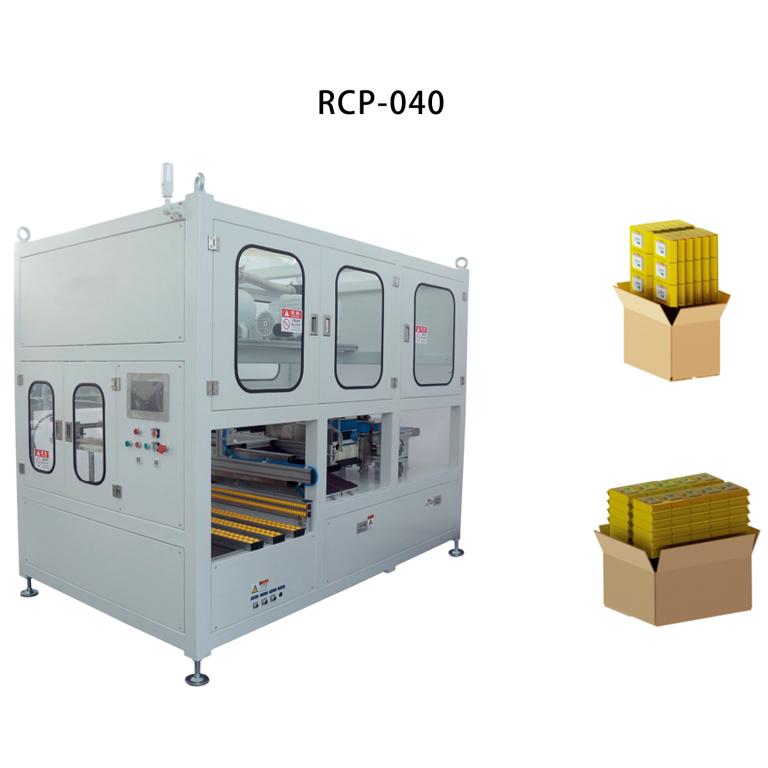
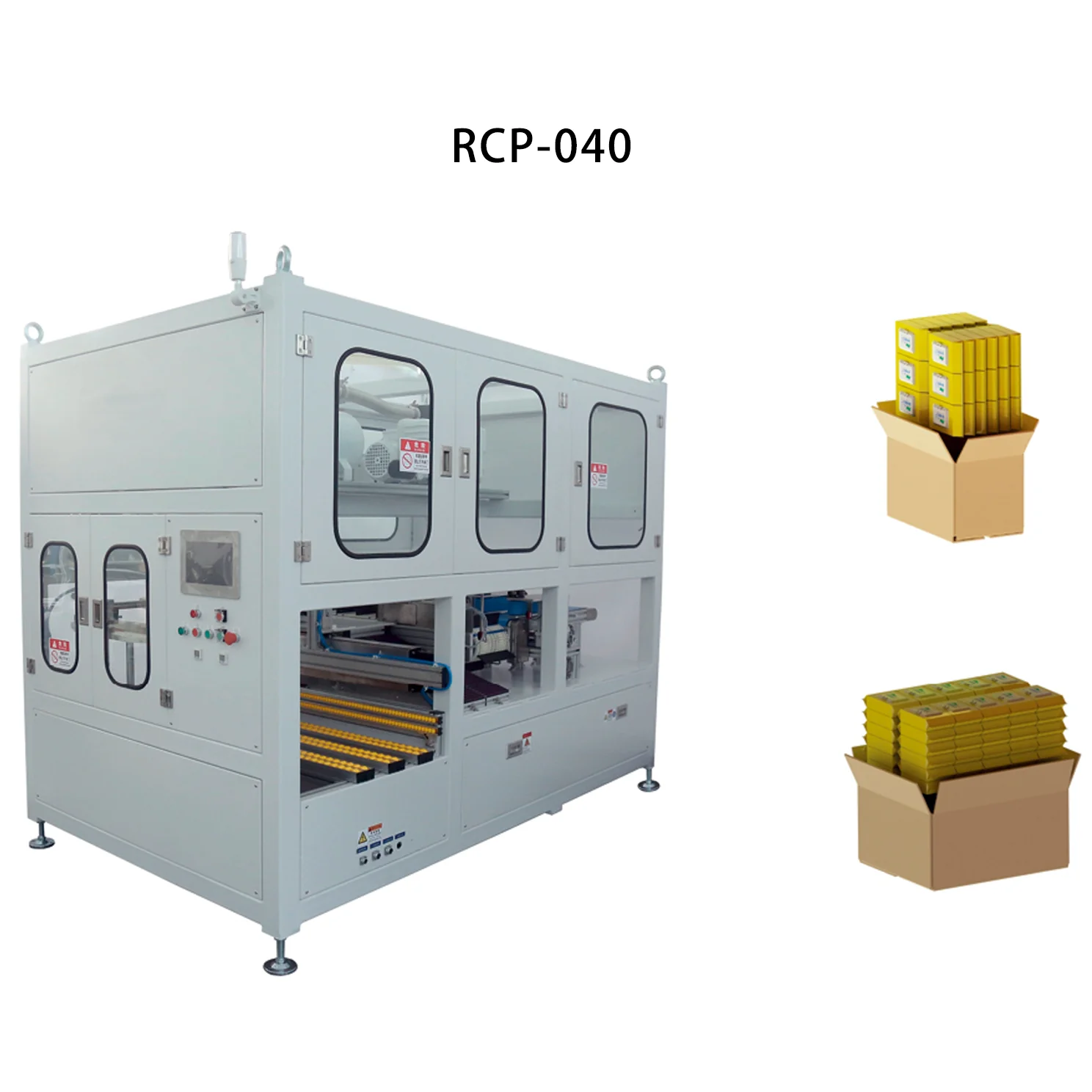
I once watched a production line hiccup for thirty minutes because a stack of cartons shifted at the wrong angle — and I felt that frustration in my chest. In those thirty minutes, the team lost roughly 2,400 units of throughput, and everyone kept asking the same question: could the machine have seen it coming? The automatic case packer sits at the heart of that question; it’s supposed to be the steady hand that never blinks. (Small factories, big headaches.)

automatic case packer​

Data matters here: studies show downtime from handling errors can eat 3–8% of a plant’s gross output in a year. So when I argue that design must learn to think — I mean pairing control logic with smarter sensing — I’m not just theorizing. I’m pointing to a real cost. This piece will pick apart why many systems still fail under stress and then point toward a practical path forward. Let’s move from scene-setting to the real faults beneath the smooth casing.

automatic case packer​

Unseen Friction: Why Traditional Case Packing Falls Short

I looked into how many suppliers advertise flawless operation, and frankly — some claims don’t match what I see on the floor. Many of those machines come from established names, but even big vendors have shipped systems that rely too much on rigid timing and manual tweaks. For a closer look at typical supplier approaches, refer to automatic case packer manufacturers​ who still default to older control philosophies. The issue isn’t just hardware age; it’s the gap between sensing and decision-making.

Why can’t we just fix it?

Technically speaking, traditional designs lean heavily on a few brittle elements: fixed-timing PLC routines, basic vision systems with poor tolerance for variation, and conveyor integration that assumes perfect feed rates. When a carton arrives slightly skewed, servo motors compensate — until they can’t. Then the whole line stalls. I say this as someone who’s re-tuned PLC sequences at midnight more than once. Look, it’s simpler than you think to underestimate how much small misalignments cost.

What’s Next: A Forward-Looking View on Case Packing

My view is straightforward: the next step is intelligent coordination, not just faster belts. I reviewed pilot installations from several vendors and found a trend — systems that add edge computing nodes, adaptive vision, and tighter HMI feedback outperform older rigs by a clear margin. For product options and evolving designs, engineers routinely consult automatic case packer manufacturers​ to see which architectures match their throughput needs. Those references matter when you must choose between incremental fixes and a platform shift.

Real-world trials show measurable gains: lower cycle variance, fewer emergency stops, and faster changeovers. I’m cautious here — not every shop needs full-scale redesign. But if downtime chews into your margins month after month, that caution becomes a cost. So think about adaptive control, modular pick-and-place heads, and better human-machine interfaces. — funny how that works, right? Below, three practical metrics I use when advising clients to pick a solution.

Advisory: Three Metrics I Use When Evaluating Case Packers

1) Mean Time Between Failures (MTBF) under realistic feed conditions. Don’t be fooled by lab numbers — demand on the floor is harsher. 2) Changeover time with real operators, not vendor demos. If your team takes longer than ten minutes, you lose agility. 3) Diagnostic clarity: can the HMI and logs tell you what went wrong within seconds? If not, you’ll spend hours guessing.

I prefer solutions that balance modular hardware (servo-driven axes, pneumatic actuators where appropriate) with clear software diagnostics and vision systems that tolerate variation. We all want reliability, but we also want machines that communicate. In the end, you pick the path that matches your tolerance for risk and your appetite for investment. I’m partial to practical upgrades that reduce hands-on fixes — because I’d rather see operators solve problems that matter, not babysit a line. For trustworthy partners and further reading on concrete machines, check ZLINK: ZLINK.

January 17, 2026 0 comments
0 FacebookTwitterPinterestEmail
Global Trade

How German Steel Knives Will Transform Culinary Experiences in 2024

by Jane January 15, 2026
written by Jane

Will Traditional Knives Fail to Meet Modern Demands?

Imagine whipping up a gourmet meal for friends, but your knives leave you struggling when slicing soft tomatoes, resulting in squashed produce and messy cuts. As a dedicated home chef, I’ve encountered this same frustration time and time again. The right tools can make a world of difference, especially when it comes to the best german steel knife set​. What makes them so compelling? The answer lies in their cutting-edge design and high-quality materials.

German steel knife

German steel knives stand out with their remarkable durability and edge retention. For instance, their high carbon content translates to blades that slice through ingredients as seamlessly as butter. That’s something to consider when shopping for your next kitchen upgrade. Let’s face it—cheap alternatives can easily dull, becoming a burden rather than a boon.

Why Moving Beyond Basics Matters

As the culinary landscape evolves, we continually refine our skills—so why shouldn’t our tools? A solid kitchen knife set german steel​ can boost your performance, unleash your creativity, and elevate your confidence in the kitchen. It’s not just about cooking; it’s about mastering your craft. Ever tried using an inferior knife? It’s more than a hassle; it’s a joy killer.

German steel knife

Modern kitchens demand precision, versatility, and reliability. German knives offer that by providing balanced weight and ergonomic handles, making for a comfortable grip. When you’re handling heavy-duty tasks at peak cooking times, that ergonomic benefit? Priceless! Plus, their aesthetic charm is, honestly, pretty hard to ignore. Who wouldn’t want their cutting board to double as a piece of art?

What Does the Future Hold for Knife Technology?

As we peer into 2024, the world of culinary tools is set for a major overhaul. Think about new materials and innovative designs; knives might soon come equipped with integrated sensors that deliver precise readings for slicing and dicing techniques. It’s an exciting time for the tech-savvy chef! I can only imagine the advancements to come. Using German steel knives places you ahead of the curve. Manufacturers are constantly upgrading their offerings, and the best German steel provides an unmatched balance between tradition and cutting-edge technology.

I’ve seen firsthand how a quality knife can lead to increased efficiency in the kitchen; it’s not just a tool—it’s an investment in quality cooking. Is it too much to say that your knives can dictate whether your dish shines or flops? With this in mind, I encourage you to take your culinary journey seriously. Remember to scrutinize your selection process; look for things like blade design, material durability, and even user experience ratings.

Conclusion: Picking the Right Knives for Lasting Impact

In wrapping things up, understanding how to evaluate knives is paramount. Here are three key metrics: blade material quality, ease of maintenance, and comfort during use. These factors can significantly affect your cooking experience. From my personal experiences, I can clearly assert the positive long-term impact that a well-crafted German steel knife can have. The right set doesn’t just enhance cooking—it enriches daily culinary adventures.

As you dive into the world of German knives, consider brands that offer reliability alongside modern innovation, like Klaus Meyer. Investing in a great knife set should be a thoughtful decision, as it promises to be a game-changer in your kitchen for years to come!

January 15, 2026 0 comments
0 FacebookTwitterPinterestEmail
Newer Posts
Older Posts

Recent Posts

  • The Trajectory of Spatial Insight: Scaling seq technology for Reliable Spatial Omics Service
  • Designing Industrial RTK-Grade Positioning: Hardware Steps for a High-Fidelity Wireless Speaker Network
  • Mooney Limits vs. Scorch Safety: Comparative Review of Next‑Gen Vertical LSR Injection Systems for Heavy Manufacturing
  • A Practical QA Framework for Electrical Contractors Auditing Wholesale LED Outdoor Lighting Shipments
  • The Hidden Equation for Reliable Puncture Needle Performance

Recent Comments

No comments to show.

About Me

About Me

Beauty & Lifestyle

Sed ut perspiciatis unde omnis iste natus error sit voluptatem accusantium doloremque laudantium, totam rem aperiam, eaque ipsa quae.

Keep in touch

Facebook Twitter Instagram Pinterest Youtube Bloglovin

Recent Posts

  • The Trajectory of Spatial Insight: Scaling seq technology for Reliable Spatial Omics Service

    June 2, 2026
  • Designing Industrial RTK-Grade Positioning: Hardware Steps for a High-Fidelity Wireless Speaker Network

    June 1, 2026
  • Mooney Limits vs. Scorch Safety: Comparative Review of Next‑Gen Vertical LSR Injection Systems for Heavy Manufacturing

    May 31, 2026
  • A Practical QA Framework for Electrical Contractors Auditing Wholesale LED Outdoor Lighting Shipments

    May 31, 2026
  • The Hidden Equation for Reliable Puncture Needle Performance

    May 27, 2026

Categories

  • Business (89)
  • Global Trade (83)
  • Industry (105)
  • Lifestyle (7)
  • Makeup (6)
  • Market (117)
  • Skincare (7)
  • Tech (102)
  • Facebook
  • Twitter
  • Instagram
  • Pinterest
  • Youtube
  • Bloglovin
  • Snapchat

@2021 - All Right Reserved. Designed and Developed by PenciDesign


Back To Top
fintechstuffs
  • Home
  • Beauty
  • Business
  • Featured
  • Global Trade
  • Industry
  • Market
  • Tech