
Analytical framing: what to measure first
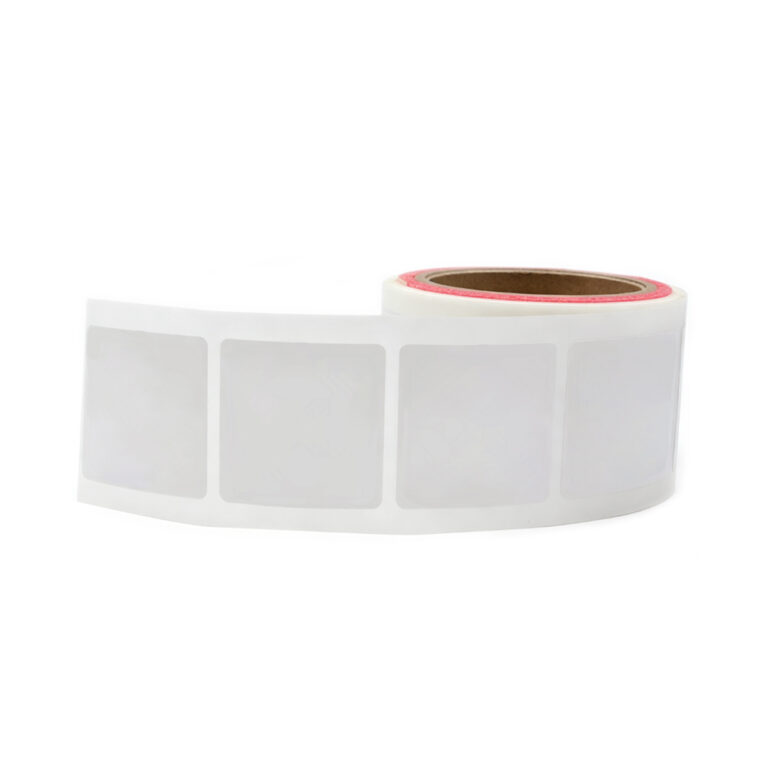
Decisions must start with measurable criteria: read range (meters), battery life (years), price per unit (USD), mean time between failures, and regulatory footprint. Compare suppliers with the same set of metrics rather than marketing language. If your bill of materials lists both passive and active options, include a product-level line for RFID Labels to keep BOM entries consistent and traceable.
Key metrics and why they matter
Read range: active tags typically deliver 20–100+ meters depending on frequency and antenna gain. Battery life: expect 2–10 years for small-form batteries, shorter for frequent transmissions. Unit cost: basic active tags land in the $8–$60 range; feature-rich or hardened units can exceed $100. Latency and poll rate: mission-critical tracking needs predictable update intervals (1–60 seconds). Environmental ratings: IP67/IP68 and operating-temperature bands (-40°C to +85°C) determine suitability for outdoor or industrial use.
Comparative metrics: active vs. passive vs. semi-passive
Passive tags: read range usually under 10 meters, cost cents per tag, no battery maintenance. Semi-passive: longer life for sensing tasks, limited range improvement. Active: longest reach and onboard sensors, but higher per-unit cost and lifecycle management. Choose based on three quantitative thresholds: minimum required range, acceptable maintenance windows, and per-unit budget over project lifetime (capex + expected maintenance OPEX).
Manufacturer checklist (what to quantify before sourcing)
Supply-side KPIs: minimum order quantity (MOQ), sample turnaround time, per-unit price breaks at 1k/10k/50k, typical lead time (weeks), failure rate on incoming inspection. Technical KPIs: antenna gain, transmit power, supported protocols (e.g., ISO 18000-7), firmware update process (OTA available?), and test reports for thermal, vibration, and ingress. Compliance KPIs: FCC/ETSI certifications, RoHS, and any localized approvals for your target markets.
Integration and firmware: count the engineering hours
Plan for integration work in man-hours. Typical tasks: embedded firmware adaptation, antenna tuning with your enclosure, SDK integration for host systems, and field validation. Budget a small pilot (500–2,000 tags) and allocate 80–200 engineering hours for medium-complexity projects. Underestimate these hours and you’ll push the project timeline; measure them during the pilot and scale the estimate linearly.
EEAT: experience, evidence and an anchor to reality
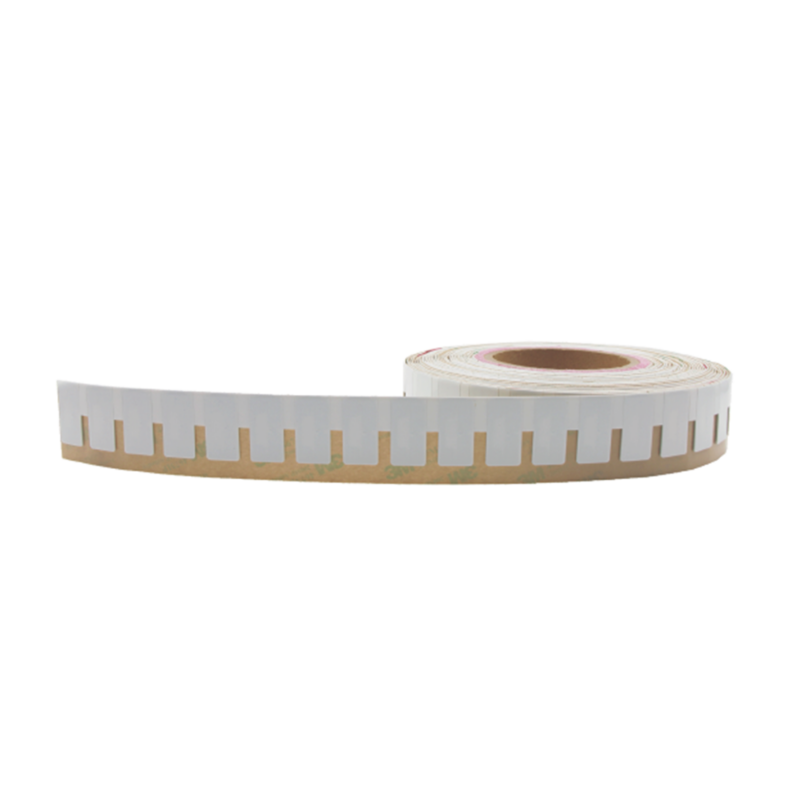
I’ve specified RFID hardware across retail and logistics projects and verified outcomes through controlled field tests. Industry benchmarks from GS1 provide actionable adoption patterns for retail tagging and inventory accuracy, so use those frameworks to validate vendor claims. For physical sampling and BOM parity, reference proven parts such as rfid chip labels to align testing artifacts with production components.
Common procurement mistakes and how data prevents them
Ignoring polarization and antenna orientation causes repeatable read failures. Overestimating read range based on lab specs without field attenuation measurements wastes procurement spend. Skipping lifecycle cost models (battery replacement, returns processing) produces hidden OPEX. Require structured field tests with pass/fail criteria: read-rate ≥ 99% at intended standoff, battery health distribution after 12 months, and environmental survivability per spec.
Vendor shortlisting: use a scoring model
Create a numeric scorecard: product specs (30%), quality evidence and certifications (20%), commercial terms (20%), engineering support and documentation (15%), and logistics (15%). Weight the card to your project priorities and reject vendors scoring below a pre-set threshold. This removes subjectivity and surfaces trade-offs—lower price often correlates with higher long-term risk on maintenance and field reliability.
Practical timeline and budgets
Prototype phase: 4–8 weeks for samples, initial firmware, and basic field trials. Pilot phase: 8–16 weeks to scale to hundreds/thousands of units with iterative fixes. Full production: 6–12+ weeks lead time depending on MOQ and custom tooling. Budget framework: unit cost × quantity + engineering hours × blended rate + contingency (10–20%). Use measured pilot results to refine forecasted OPEX for battery replacement and RMA handling.
Final synthesis and procurement posture
Prioritize measurable comparisons, run a controlled pilot, and quantify lifecycle costs before signing long-term supply agreements. That disciplined, metric-first approach narrows vendors quickly and surfaces durable trade-offs; experienced teams often find the pragmatic fit through partners such as RSTC whose manufacturing and test capabilities align with the KPIs buyers use to decide.