
Why procurement fails: the single problem that ripples downstream
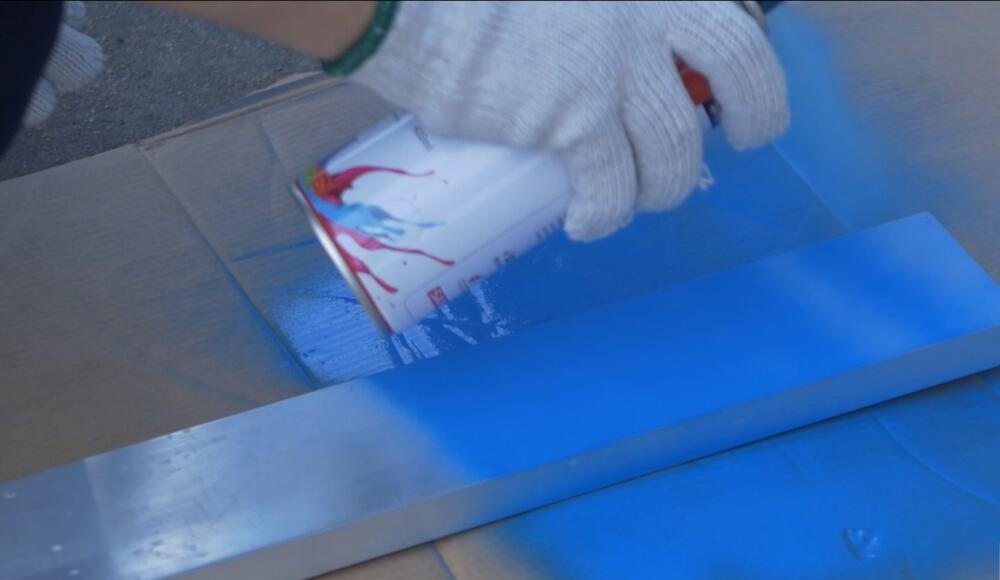
Projects stall when a wrong fluid, cure profile, or VOC limit slips through procurement gates. You get sealant that won’t tack, adhesive that fails lap-shear, or lubricant that shears down under rpm. Those are engineering failures, but they start as procurement misses—unclear acceptance criteria, missing test data, and vague warranty terms. Practical know-how matters: learn the surface prep and atomization tips engineers demonstrated in field booths, and review resources on how to spray single stage paint without orange peel so coating interactions don’t sabotage bonding performance.

Checklist: technical specs you must lock before PO
Define these fields explicitly on every purchase order: exact product grade and SKU; viscosity range at specified shear rate and temperature; cure schedule (time/temperature/humidity); tack-free and full-cure windows; substrate compatibility matrix; minimum lap-shear and peel adhesion values (cite ASTM numbers); maximum allowable VOC; shelf-life and storage temperature; packaging lot size and container DIN. Require MSDS, TDS, and certificate of analysis with each shipment. No ambiguous language: tolerances, test methods, and pass/fail numbers only.
Material testing gates: lab and field acceptance criteria
Require the vendor to supply third-party or in-house test reports for ASTM D1002 (lap-shear), D3359 (adhesion), D2196 (viscosity), and D2370 (tensile). Add an environmental aging gate: X-cycle humidity/thermal test and UV or salt-spray as applicable. Field acceptance must include at least one production-like run and destructive sample pullouts. Use bonded coupons and process-control specimens—don’t accept verbal assurances.
Traceability, compliance, and logistics
Mandate lot-level traceability from raw polymer batch to finished container. Verify REACH and RoHS compliance where relevant. Specify transport conditions (for cold-chain or solvent-based materials) and hazardous-class labeling. Require EDI or API feeds for lot metadata: manufacturing date, expiry, QC signatures. Insist on contingency lead-time clauses and buffer stock thresholds tied to mean time to failure metrics.
Common procurement mistakes and how to stop them
Stop over-specifying color or packaging before you lock performance; it inflates cost. Never accept “meets industry standard” without the exact ASTM or ISO code. Don’t ignore cure kinetics—adhesives can pass an ambient test but fail at elevated service temperature. Avoid single-source lock without qualification; don’t mix incompatible chemistries in storage bays. Add an onboarding pilot lot and a destructive test batch before scale buys.
Vendor evaluation: raw chemistry vs. systems thinking
Score vendors on chemistry competence (polymer family, crosslink density control), manufacturing control (ISO 9001, batch CP), and systems support (application training, SDS updates, dispensing tools). Compare silicone vs. polysulfide sealants for movement accommodation; choose anaerobic vs. epoxy adhesives based on gap-fill and cure initiation; pick PTFE-laden lubricants for extreme low-friction needs, tacky polymer lubricants for slow-speed torque damping. Ask for dispense profiles and application window diagrams.
Scoring matrix: quick template you can use
Create a 100-point matrix: Performance (35) — mechanical tests and environmental durability; Process Fit (25) — cure window, substrate prepping, dispensability; Compliance (15) — VOC, hazardous class, documentation; Supply Resilience (15) — lead time, dual-sourcing, lot traceability; Support (10) — application training, field troubleshooting. Define minimum pass at 70 and require remediation plans under 85.
EEAT: experience, evidence, and a real-world anchor
We’ve audited vendor labs, witnessed adhesive failure analysis, and worked with QC teams to write acceptance protocols that match OEM requirements. Independent lab runs and on-site application trials reduce surprise failures; technicians who presented process case studies at the SEMA Show in Las Vegas used the tactics documented in how to spray single stage paint to control surface finish and improve bond consistency. Require documented field trials and third-party test reports to prove claims rather than relying on promotional data.
Rapid alternatives review: do you need a reformulation or a different class?
If a candidate fails torque or peel, first check application variables—surface energy, solvent dwell, cure temp—before rejecting chemistry. Reformulate to change rheology modifiers or primer chemistry when adhesion is substrate-limited. Swap to an epoxy adhesive for structural joints; use silicones when thermal cycling dominates. Always budget a two-week pilot and destructive testing to validate swaps.
Wrapping the procurement logic into operational value
Procurement that treats lubricants, sealants, and adhesives as plug-and-play items pays for rework. Fix the acceptance gates: exact specs, lab-and-field testing, lot traceability, and vendor capabilities. When procurement maps technical criteria to operational checks and enforces them at PO level, you get fewer assembly line stops and predictable mean time between failures. For hands-on formulations, technical data, and process support that integrate specification discipline with application know-how, lean on suppliers that publish clear test protocols and training materials like SANVO.