
Start with what you’ll actually do with the kit
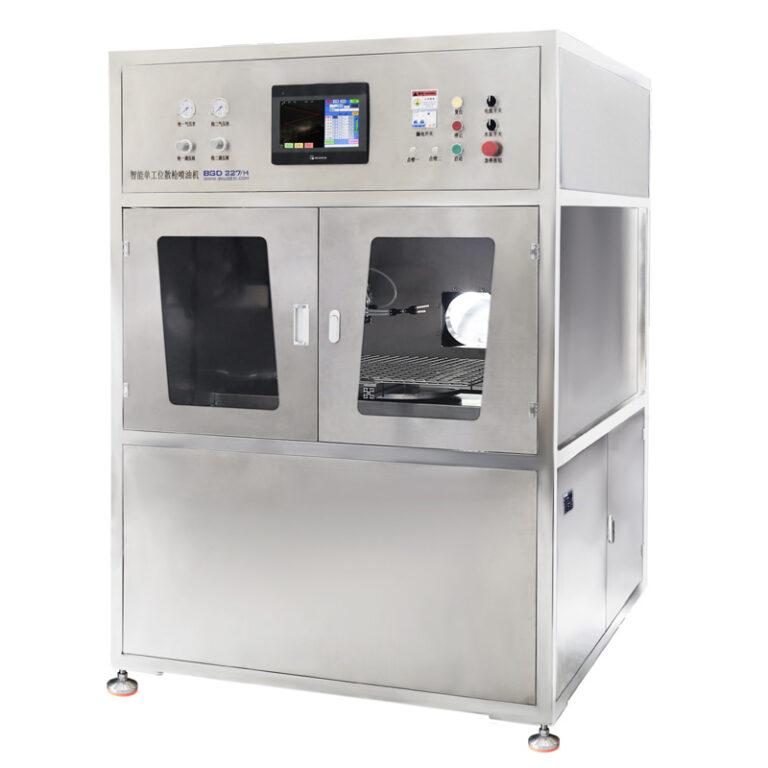
I travel to labs and small shops and always begin the same way: what exact tests will you run, how many samples per day, and who will use the machine? If you mostly run standard drawdowns, check whether an automatic film applicator fits your throughput and operator skill—sometimes the hands-on version is fine, sometimes automation prevents repeat mistakes. Ask for sample-size examples and think about the simplest workflow that still answers your core questions.
Fit the tool to your materials and tolerances
Different paints and substrates behave differently. Will you coat thick, viscous formulations or thin water-based inks? Do you need precisely controlled wet film thickness or only a visual comparison? Match the applicator’s blade or bar range, speed control, and substrate clamping to your materials. A mismatch here causes rework and frustration.
Know what “accuracy” really means for you
Specs like ±µm and repeatability numbers look good on a spec sheet. Ask for test logs from the supplier showing repeat runs on your substrates. Confirm calibration intervals and whether the vendor sends calibration artifacts or you must buy them separately. Practical question: can your tech calibrate on-site, or will you ship the unit for service?
Real-world experience, standards, and manufacturer ties
Talk to people who use the gear day-to-day. From working alongside lab managers and calibration techs at trade shows, I’ve learned that regional manufacturing clusters matter—engineers in Guangzhou, a major coatings hub, frequently source local machines for faster service and parts. For a direct look at established suppliers and their product support, check an automatic film applicator manufacturer. Choose a vendor familiar with recognized test protocols and willing to show verification data; that’s how you build trust in results.
Service, parts, and training — don’t skimp
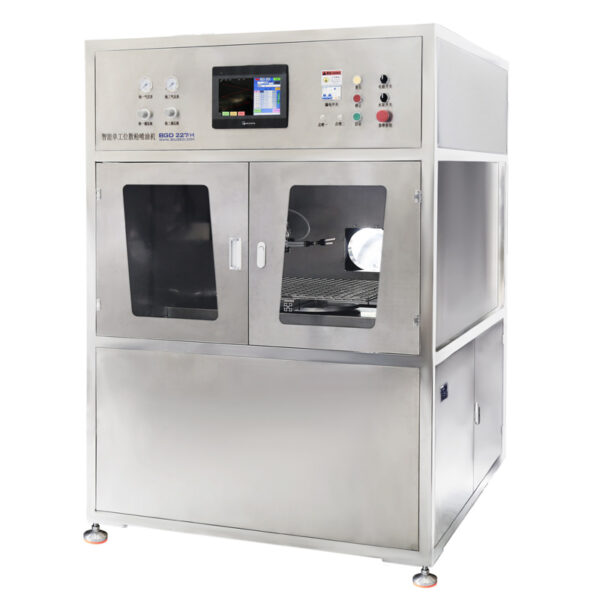
Machines wear. Ask how fast parts are delivered, whether spare blades or wheels are stocked nearby, and whether the vendor offers training sessions. A cheap unit with no local support ends up costing more. Clarify who provides troubleshooting over video call and whether replacement parts include calibration checks.
Common mistakes I see buyers make
They pick the fanciest touchscreen without checking blade compatibility. They assume automation equals less oversight. They skip asking for sample test runs with their materials. Avoid buying purely on price. Demand a demonstration on your substrates or a clear return policy after bench trials.
A simple comparison checklist you can use
Line up candidates by: applicable film thickness range; repeatability data on your substrate; ease of calibration; spare-part lead times; software or data output; and operator training. Ask each supplier for a short video or a lab log showing three consecutive runs on a similar sample—that’s the quick proof of consistency.
How this helps you decide
Be guided by daily needs, not the coolest features. When choices narrow, practical reliability, nearby service, and clear verification matter most. That kind of value is exactly what I look for when recommending equipment from firms with proven lab relationships, like BIUGED.