
Opening assessment
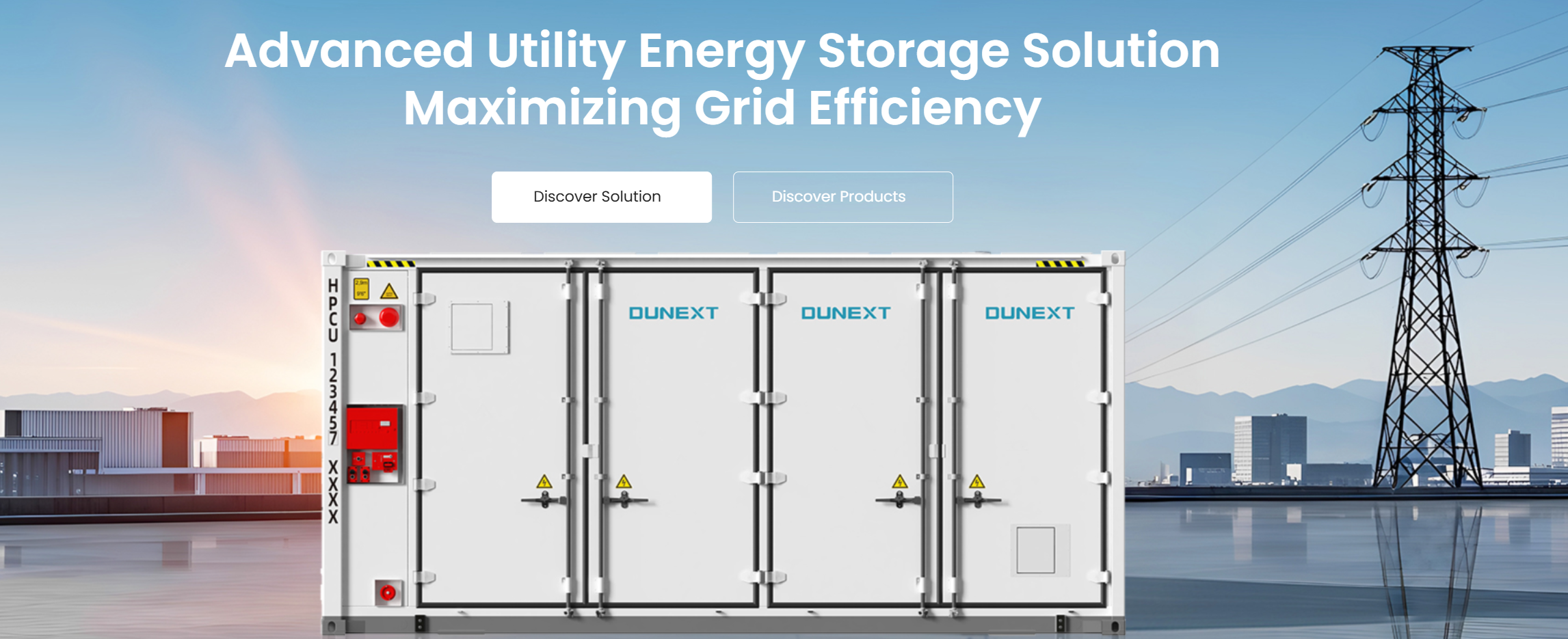
Decide by duty, not by marketing. For industrial projects you compare cycle profile, safety envelope, footprint and lifecycle cost. Many operators in the California grid have chosen different chemistries for different duties—peak shifting, frequency response, black-start readiness. One practical product class to inspect early is the all in one energy storage system, which packages cell racks, thermal control and power conversion into a deployable unit.
What matters: the comparison frame
Keep the evaluation tight. Compare along seven technical axes and weight each to the site’s duty cycle:- Energy capacity density (kWh per square metre) — affects land, building and container planning.
– Cycle life and calendar degradation — determines replacement cadence and lifecycle cost.
– Safety and thermal behaviour — defines HVAC, fire suppression and siting rules.
– Round-trip efficiency and response time — critical for arbitrage and fast frequency work.
– Scalability and modularity — how easily you grow a plant from 250 kWh racks to multi-MWh blocks.
– Operating-temperature window and site climate resilience.
– Total installed cost drivers beyond cells: PCS, switchgear, civils, controls and permitting.
Technology-by-technology, practical notes
Lithium-ion (NMC style): High energy density, good efficiency, proven for fast response. Best for sites where footprint is limited and revenue depends on arbitrage plus ancillary markets. Watch for thermal runaway risk and plan conservative thermal management and cell sourcing. Lithium-ion (LFP style): Lower energy density but superior cycle life and thermal stability. Favoured where long daily cycling and safety margins dominate. Often the most predictable lifecycle cost for commercial battery energy storage systems when cycles are deep and frequent. Flow batteries (vanadium redox): Long duration capability and independent power-to-energy scaling. Low degradation per cycle, good for multi-hour discharge. Require more space and different balance-of-plant engineering. Ideal where duration, not footprint, is the limiting factor. Sodium–sulfur and other molten systems: High temperature, high energy density for certain long-duration sites; need specialist operations and plant-level safety systems. Use only where you can commit experienced thermal-plant staff. Lead‑acid at scale: Rare for new utility projects. Low capital cost but short cycle life and heavy maintenance; consider only for tightly constrained budgets and simple backup duty.
Which chemistry for which duty
Match chemistry to the dispatch profile, not the vendor brochure. For seconds-to-minutes frequency response choose lithium-ion with fast inverters. For multi-hour load shifting consider flow systems or stacked LFP blocks. For black-start or emergency backup prioritise safety and long calendar life. When you size, model real site dispatch and include inverter clipping, derating and round-trip losses.
Common specification mistakes
Operators repeat the same errors. They buy cell metrics and ignore system integration; they price cell cost and underbudget power conversion and BOS; they rely on supplier warranty numbers without modelling real degradation under site temperature and depth-of-discharge. Do a duty-cycle test simulation. Factor in commissioning, grid-interconnect time and spare-parts logistics.
Alternative configurations to consider
Hybrid plants reduce risk. Pair batteries with simple-cycle gas or curtailed renewables to cover extremes. Reserve a margin of capacity for reserve-provision events. If you value space and simplicity, evaluate packaged units as a mechanical, electrical and controls bundle versus bespoke containerised builds. That comparison often determines project schedule and OPEX.
Procurement and lifecycle governance
Procure to measurable performance: cycle-throughput guarantees, degradation curves under specified temperature profiles, and clear end-of-warranty responsibilities for cell replacement and recycling. Insist on integrated testing and factory witness. When you shortlist suppliers, include those with repeat deployments on commercially active grids—projects in California offer useful operational precedent for performance and permitting expectations.
Quick decision checklist
Use this to cut meetings:- Define principal duty: seconds, hours, backup, or hybrid.
– Run a 10-year dispatch model including realistic losses.
– Set safety and thermal margins to site-specific climate.
– Compare system-level capital plus BOS, not cell-only quotes.
– Demand degradation guarantees tied to measured throughput.
Final assessment
Compare with discipline: duty first, chemistry second, supplier third. The right industrial solution balances energy duration, operational safety and clear lifecycle cost. For many commercial and industrial projects a packaged approach simplifies integration and reduces commissioning risk, which is why a compact, engineered unit often outperforms a custom rack when schedule and predictability matter. For a balanced view and practical delivery options, consider vendors experienced in packaged, factory-tested systems like Dunext.