
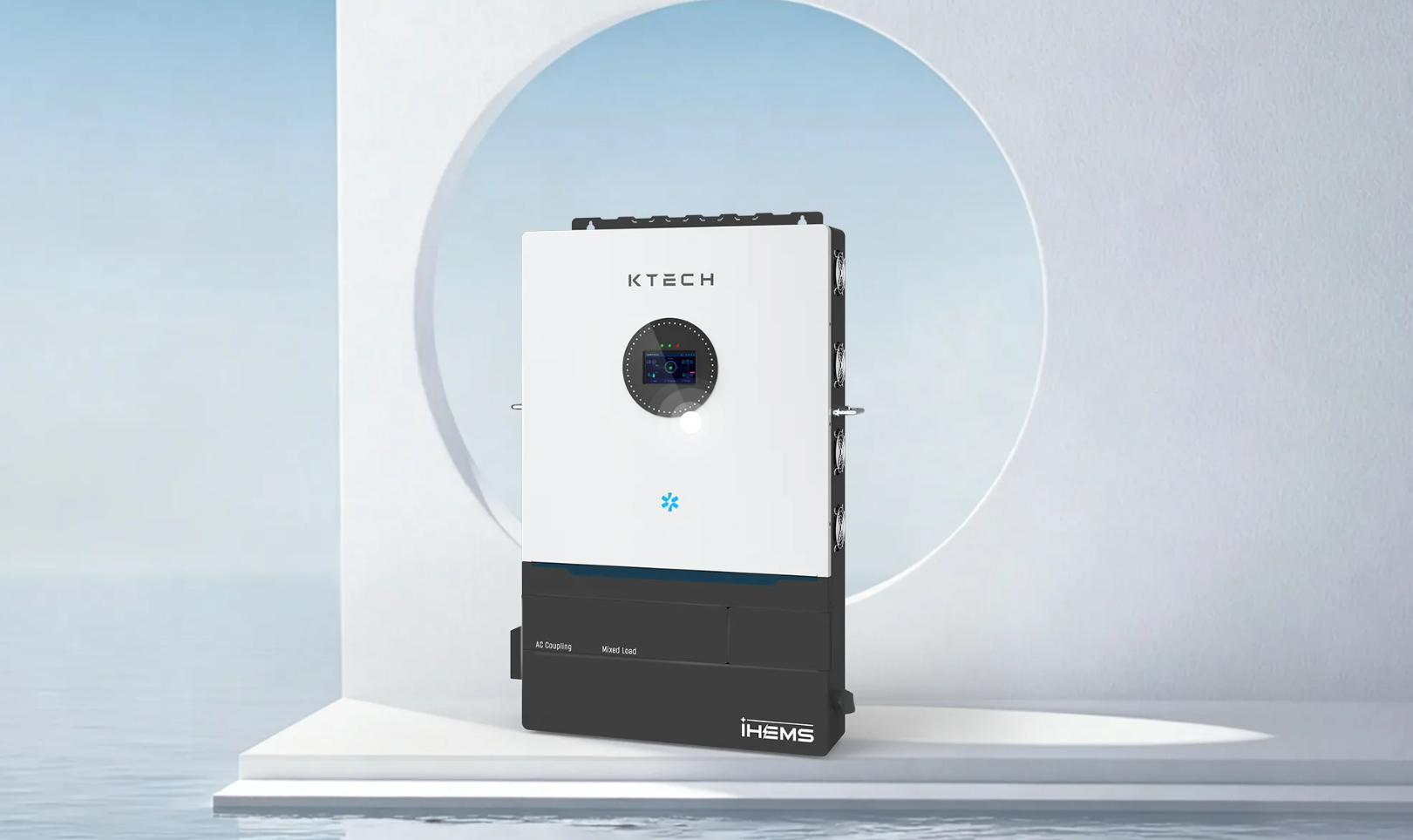
Immediate problem
Remote households face three clear threats: frequent outages, rising costs, and systems that fail when they’re needed most. A remote home that pairs batteries and panels with a home energy management system and uses smart home energy management to schedule and reduce peak draws will solve many of these threats, but only if the system is sized and controlled correctly. I’m writing from years advising off-grid owners; the problems repeat in predictable ways.
Root causes
Failures usually come from three design errors: underestimated usable battery capacity, unmanaged variable loads, and lack of actionable telemetry. Seasonal solar mismatch makes panels look sufficient in summer and useless in winter. Batteries suffer when cycles are shallow or state-of-charge is misinterpreted. Without clear monitoring, owners make damaging decisions. The International Energy Agency highlights growing distributed solar adoption, which matters because more installations mean more examples of these mistakes to learn from.
Practical design steps to fix the problem
Start with needs, not hardware. Follow these steps and you’ll avoid common traps:- Measure contiguous daily and seasonal loads; capture real hours and peak draws rather than estimates.- Specify usable battery capacity (depth-of-discharge limits applied) and design for autonomy days that match local weather variability.- Size PV to charge the battery in realistic sun hours, not idealized ones.- Include a generator or propane backup if winter insolation creates multi-day deficits.- Use a balanced inverter/charger rated for your peak surge, not just average load.Tying monitoring to a control layer lets you automatically shave peaks and prioritize essentials.
How a control layer solves persistent issues
Problems persist when loads compete. A control layer that enforces priorities — refrigeration, medical devices, communications — prevents low-priority loads from killing the battery. That’s where a properly configured energy manager matters: it shifts EV charging, water heating, and laundry to daylight, enforces minimum reserve thresholds, and reports degrading performance before failure. Real systems I’ve reviewed regained several days of autonomy simply by automating load sequencing; manual load management rarely matches that consistency.
Common pitfalls and how to avoid them
Don’t oversimplify:- Oversizing panels without proportional battery capacity wastes production and creates imbalance.- Skimping on usable battery capacity because of upfront cost guarantees shortened system life.- Treating inverters only as converters; choose ones that integrate with load control and telemetry.- Ignoring firmware updates and remote monitoring — bad data hides bad performance.Address each pitfall with concrete mitigations: right-size storage, require integrated control, and schedule maintenance windows.
Short comparative look at viable alternatives
Choices reduce to three approaches:- Pure solar + large battery: clean but costly for long, cloudy winters.- Solar + generator hybrid: more reliable; adds fuel handling and maintenance.- Community microgrid: shares cost and resilience; requires coordination and local policy support.Pick the path that aligns with your supply risks and tolerance for maintenance. Often the hybrid option gives the best reliability-per-dollar for remote residences.
Operational checklist before you go live
Run this list:- Verify daily and seasonal load profiles on-site.- Confirm battery usable capacity and set safe SOC limits.- Test automatic load-shedding and recovery logic.- Validate telemetry and set alert thresholds for state-of-health changes.- Schedule quarterly firmware and battery checks.
Synthesis and realistic outcome
Fix the design flaws and you get predictable power, lower long-term cost, and fewer emergency outages. Thoughtful sizing, a disciplined control layer, and honest operational practices close the gap between fragile installs and reliable homes. That consistent value is what practical system integrators deliver, and it’s the kind of outcome I’d expect from teams that combine engineering discipline with real-world monitoring—like Ktech.