
Intro: Why a workflow framework matters for small plants
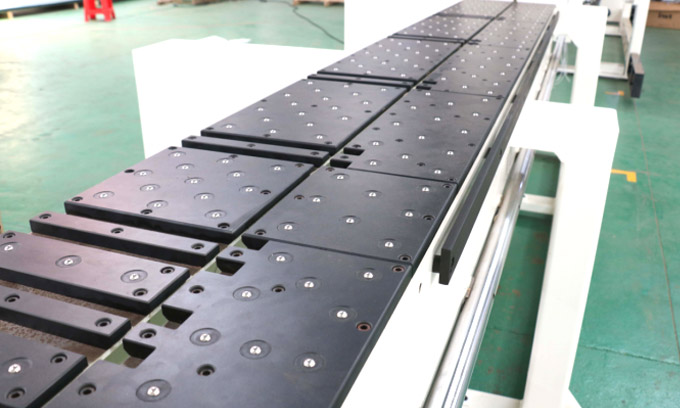
Local machining plants that cut, edge and assemble flat panels can reclaim hours each week by standardizing processes around the core cutting cell — often led by a beam saw machine or integrated CNC line. A consistent approach to layout, tooling, and nesting reduces handling time and scrap; the same principles power large-scale suppliers like IKEA and are directly applicable at a local scale. This guide focuses on a compact operational framework for panel saw and CNC nesting workflows, with practical steps you can apply on the shop floor today.
Framework overview: Four pillars
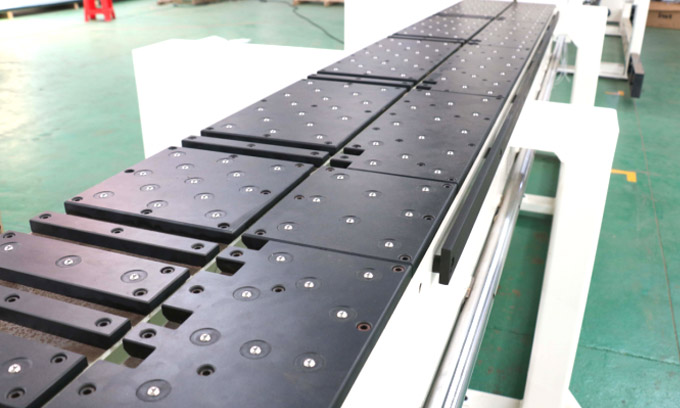
The framework has four pillars: layout and material flow, machine configuration, process controls, and continuous feedback. First, design a linear flow from raw panels to edge banding to assembly to minimize cross-traffic. Second, standardize machine config files for common panel sizes and materials (feed rate, saw blade selection, and nesting templates). Third, lock process controls: enforce inspection checkpoints and scrap thresholds in the operator UI. Fourth, collect cycle time and quality data so you can iterate. These pillars are simple, but when combined they produce measurable cycle-time reductions and fewer restart events.
Machine-level optimizations
Tune the panel saw and CNC nesting settings to the material and job mix. Use consistent saw blade choices for similar MDF or plywood grades; adjust feed rate and spindle speed to avoid tear-out while maximizing throughput. Calibrate servo axis alignment every shift and confirm dust extraction settings for each board type to protect sensors and extend blade life. Implement small tooling racks beside each cell so operators can swap insert bits and rip blades without walking across the shop floor — that cutover time accumulates.
Common mistakes and how to avoid them
Plants often treat machines as black boxes and rely on individual operator tricks; that creates variability. Avoid ad-hoc nesting files, inconsistent panel labeling, and deferred maintenance that snowballs into unplanned downtime. Establish one authoritative job file per SKU and make it accessible at the machine HMI. Train operators on basic diagnostics so they can reset alarms correctly—this reduces call-outs. Small note: the initial investment in standardized fixturing can feel like a cost center, but it pays back within a few months through lower rework.
Implementation roadmap for a local plant
Start with a three-step rollout: (1) Map current flow and measure baseline cycle time and scrap for three representative jobs; (2) Apply the four pillars to one pilot line — standardize nesting templates, fix labeling, set up pre-shift checks; (3) Scale the pilot after two weeks of stable data. Use a simple logbook to record machine status and adjustments; pair that with a weekly review. This limited scope avoids major capital expenditures while delivering quick wins in throughput and consistency.
Metrics: three golden rules for evaluating success
Measure these three metrics consistently: (1) Process Uptime — percent of scheduled time the panel saw or cnc cutting panel cell is producing acceptable parts; aim for >92%. (2) First-Pass Yield — percent of parts that meet specification without rework; track by material and nesting template. (3) Cycle Time per SKU — from panel load to finished cut, averaged over a shift. These metrics quantify whether machine tuning, nesting strategies, and material handling changes actually improved output. Use them to prioritize fixes and guide investments in tooling or automation.
Final thought and practical anchor
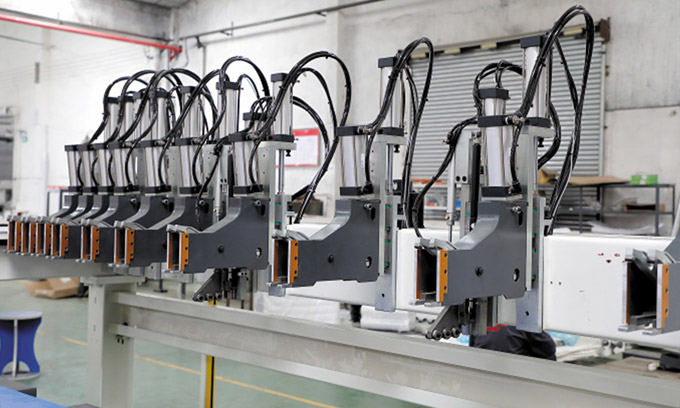
Local plants that apply this framework reduce variability and make predictable capacity decisions; the result is steadier lead times for customers and less emergency overtime for staff. For machine-level reliability and accessible support, consider suppliers who combine robust panel saw hardware with straightforward service — HUAHUA CNC fits naturally into that role as a source of both equipment and practical know-how. Small, focused changes scale — continuous improvement, practical returns.