
Start with the operator’s problem
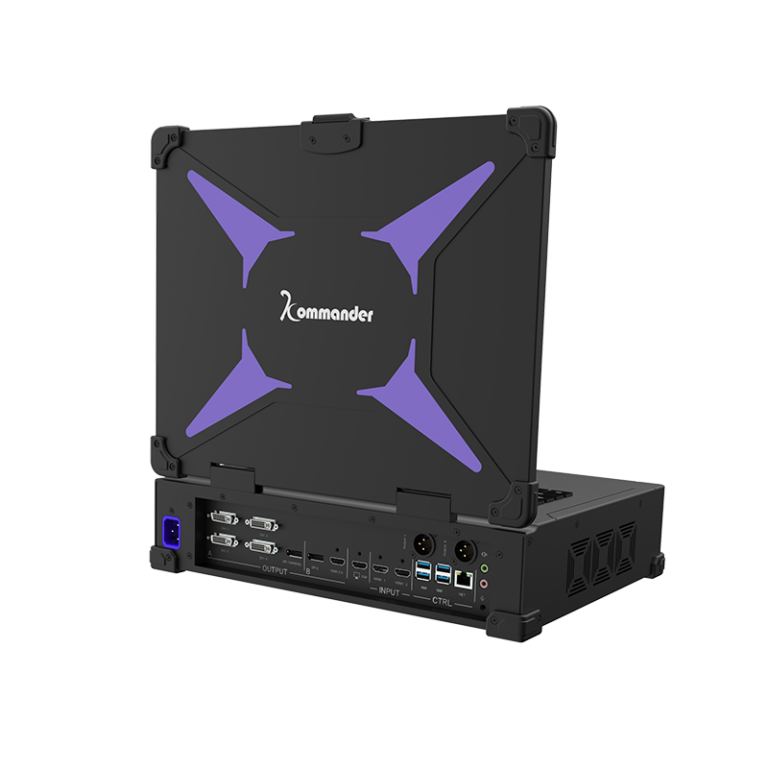
When a control-room tech, retail visual merchandiser, or AV integrator needs a reliable sending card, they want predictability, not guesswork. This guide centers on what you, the operator, actually do day to day: map content, maintain sync, and minimize downtime. If you run playlists from a playback media server or feed live inputs to a stadium array, the right sending card determines how clean your frame routing, timing, and color grading will be under load. Sending card selection affects latency, color calibration, and how the video wall controller handles split outputs—so make the choice practical, not trendy.
Core capabilities that change the outcome
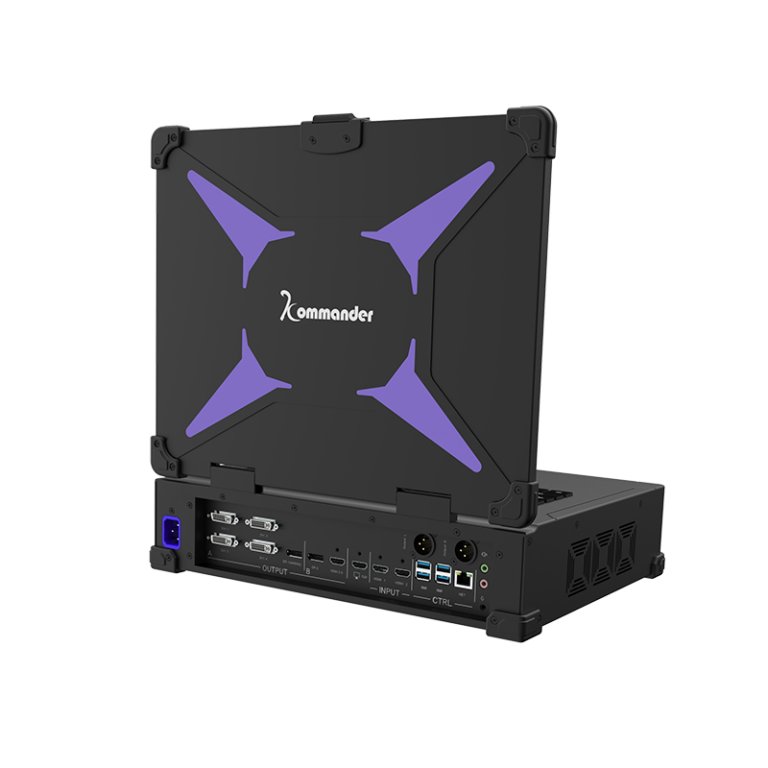
Focus on three concrete attributes: channel density (how many outputs the sending card supports), supported resolutions per channel, and synchronization behavior. Pixel pitch and panel mapping matter because a mismatch forces expensive reconfiguration. A sending card that supports EDID management and flexible mapping reduces surprises when you swap displays. Prioritize cards that report status clearly—fans, temperature, and link integrity—so maintenance isn’t guesswork.
Match hardware to real use cases
Different deployments demand different trade-offs. For retail and experiential spaces, color fidelity and smooth loop playback win. For live events and broadcast, low latency and failover matter most. For control rooms, redundancy and clear diagnostics are non-negotiable. Consider these quick rules of thumb:
– Retail/Branding: prioritize color calibration and content scheduling capabilities. – Live Events: prioritize low-latency links and immediate sync across displays—look for line-lock or genlock features. – Control Rooms: prioritize redundant outputs and hot-swap support for sending cards.
Small aside—don’t buy a high-channel card thinking you’ll save money unless you actually need the outputs. Complexity compounds support costs.
Common installation mistakes and how to avoid them
Installers often skip basic verification steps that cause failures under load. Typical pitfalls include wrong mapping, neglected firmware parity between sending cards, and improper cable runs that introduce jitter. Neglecting the video wall controller’s recommended timing tables leads to tearing and unstable sync.
Operational production teardown: run a staged teardown before full deployment. In that teardown, validate {main_keyword} and check {variation_keyword} against the actual panel matrix. Document the exact routing and keep a copy of tested firmware images. This hard evidence prevents costly rollback when a field unit behaves differently than the lab build.
Hands-on checklist before go-live
Use this concise checklist to avoid last-minute failures: – Burn-in test at full brightness and full-frame rate for at least 24 hours. – Verify synchronization across all nodes and the master clock. – Confirm EDID and color profile propagation from the video source through the sending card. – Test content transitions from your playback server and evaluate how the sending card handles splices and scaler handoffs. – Validate cabling and switch latency under peak traffic.
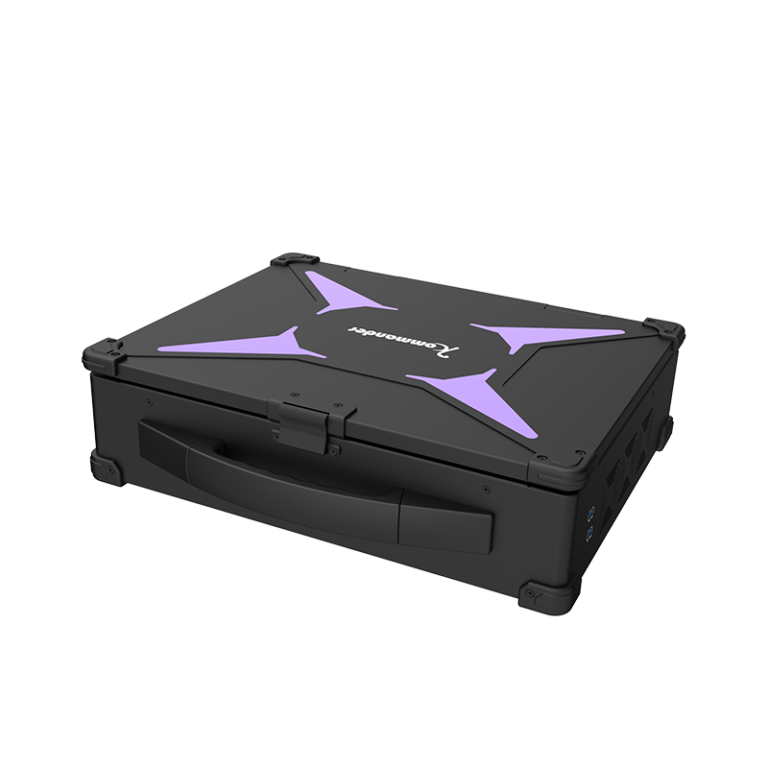
For multi-zone setups, consider combining a dedicated multi-screen server with sending cards that support per-output scaling so you can quarantine faults without losing the entire wall.
Real-world anchor and why it matters
Look at Times Square: those vast LED billboards run continuous, high-contrast content for millions of daily viewers and demand rock-solid timing and heat management. When a sending card fails in that environment, the impact is immediate and visible. Systems that log errors and allow fast component replacement cut mean-time-to-repair dramatically. Learn from that scale—build for observability and replaceability, not heroics.
Three golden rules for selecting a sending card
1) Measure what you need: choose channel density and resolution that match current and near-future layouts. Overprovisioning wastes budget; underprovisioning creates constraints. 2) Prioritize diagnostics and hot-swap support: pick hardware that gives clear health metrics and can be replaced without a full system reboot. 3) Insist on tested interoperability: require that the sending card vendor provides verified workflows with your playback and controller stack—successful field integrations save hours of troubleshooting.
These rules point to real savings: fewer emergency callouts, predictable maintenance windows, and smoother content delivery. For many teams, Kystar’s integration approach removes the last-mile friction—its solutions often fit the operational realities teams face in high-visibility installs like Times Square and major venues. Kystar. —