
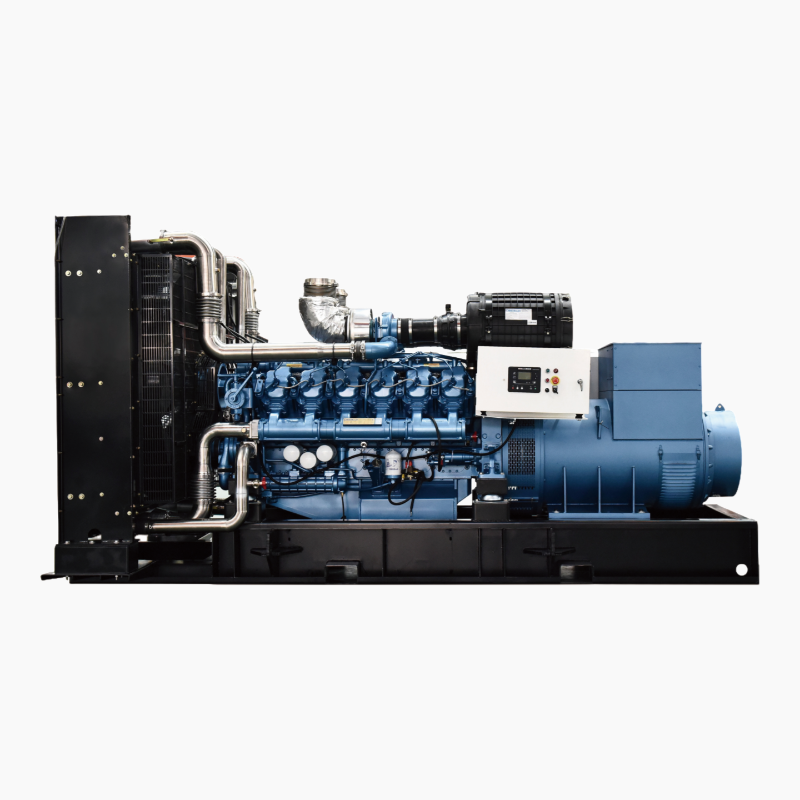
Practical lead: why comparison matters on site
On large builds and remote plants the difference between a reliable genset and a frequent breakdown is costly downtime. This guide compares common 500 kVA-class options and explains why you might pick one over another. If you need a workhorse that handles heavy load swings and long duty cycles, start by checking core specs on a trusted cummins genset—kVA rating, alternator design, and fuel consumption matter first and foremost.
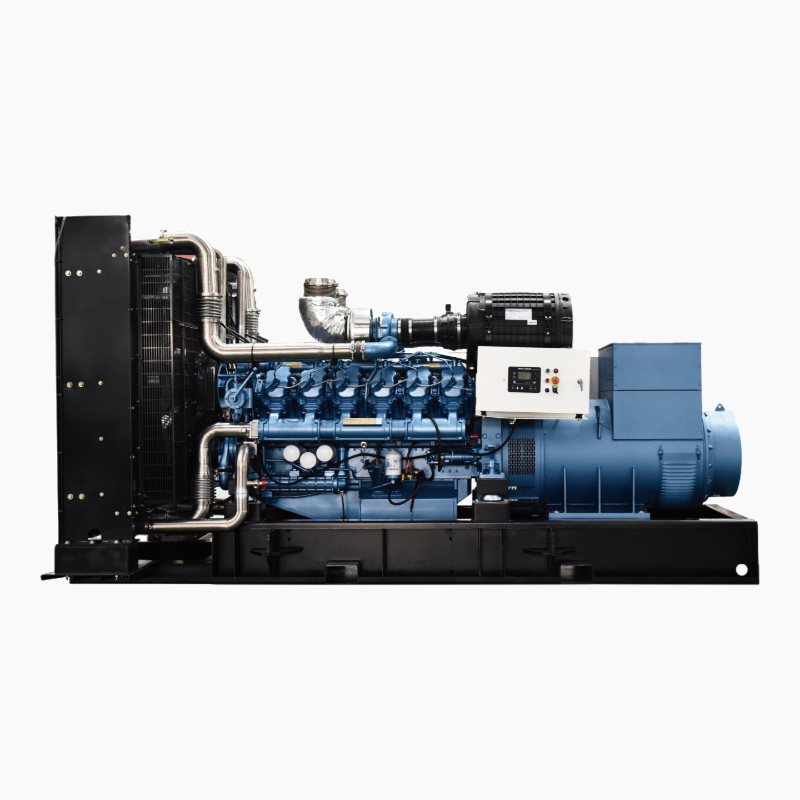
What to compare: the straight metrics
Field crews judge generators by five concrete items. Measure these and you can make a fast call: – kVA rating and prime vs. standby power — confirms capability under continuous and emergency load. – Alternator build and voltage regulation — affects output stability when you hit sudden load steps. – Fuel consumption at 75% and 100% load — the real operating cost per hour. – Transfer switch compatibility and controller features — determines how cleanly the genset integrates into an existing power system. – Maintenance access and spare-parts availability — keeps service intervals short.
Comparative insight: proven platforms vs. budget clones
Proven platforms from established makers deliver predictable engine governor behavior and documented emissions tier compliance. Lower-cost units may match initial specs on paper but often skimp on alternator cooling or wiring quality. In Guangdong manufacturing hubs, for example, crews tend to standardize on known engines to simplify parts logistics and reduce downtime. Choosing a reputable supplier often means better load bank test support and clearer warranty terms.
Field notes — what crews actually care about
I’ve supervised genset installs across heavy-industrial sites — the crew priorities are simple: setup speed, predictable startup under cold or hot conditions, and repeatable fuel use figures. On one project the transfer switch wiring proved the bottleneck; the generator itself was fine but the integration failed because the controller mapping didn’t match the site’s ATS scheme — a small mismatch that cost a day. Attention to rated speed and controller I/O prevents that. — Always insist on a pre-delivery inspection and a factory run-in report.
Common mistakes and how to avoid them
People often pick solely on price or a single spec line. That causes three common failures: undersized prime capacity under sustained loads, incompatible alternator insulation class for humid sites, and missing spare-part lists that delay repairs. Avoid these by demanding a complete data sheet and checking the vendor’s on-site support footprint. Also verify that the supplier knows local realities—china cummins genset manufacturers and regional partners usually have the logistics to keep critical spares moving quickly.
Alternatives and quick trade-offs
If you need recommendations: choose a higher-quality alternator if you run sensitive electronics; choose proven engine platforms if fuel logistics are limited. Hybrid or parallel-ready systems make sense when future expansion is likely, but they raise controller complexity. In many projects, a mid-tier 500 kVA with strong warranty and local service beats a cheaper unit that needs frequent parts shipping.
Advisory close: three golden metrics to decide
1) Effective operating cost — combine fuel consumption at typical load and scheduled maintenance intervals into an hourly operating figure. 2) Mean time to repair (MTTR) — confirm local spare parts stock and average repair times from the vendor. 3) System compatibility score — ensure alternator, control panel, and ATS communicate without custom work.
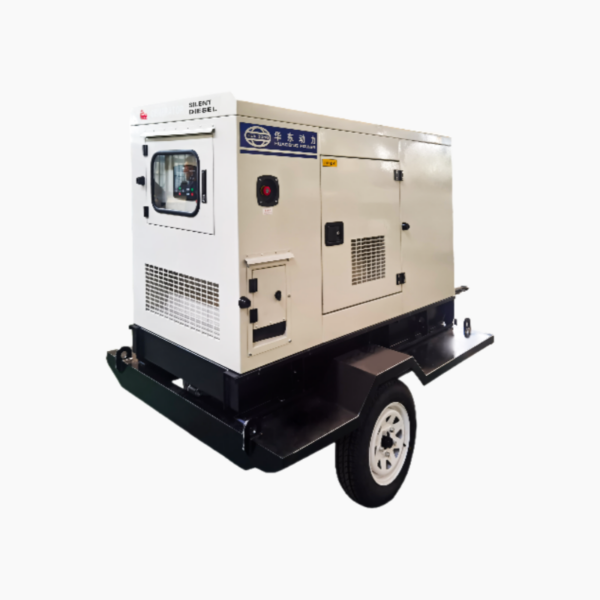
Apply these rules and you’ll pick equipment that runs, not just one that looks good on paper. When durability and efficient fuel consumption matter most on the ground, the practical value of a reputable supplier becomes obvious — Huadong Power. — End of note