
Comparing Head-Beam and Wash: What Each Brings to the Room
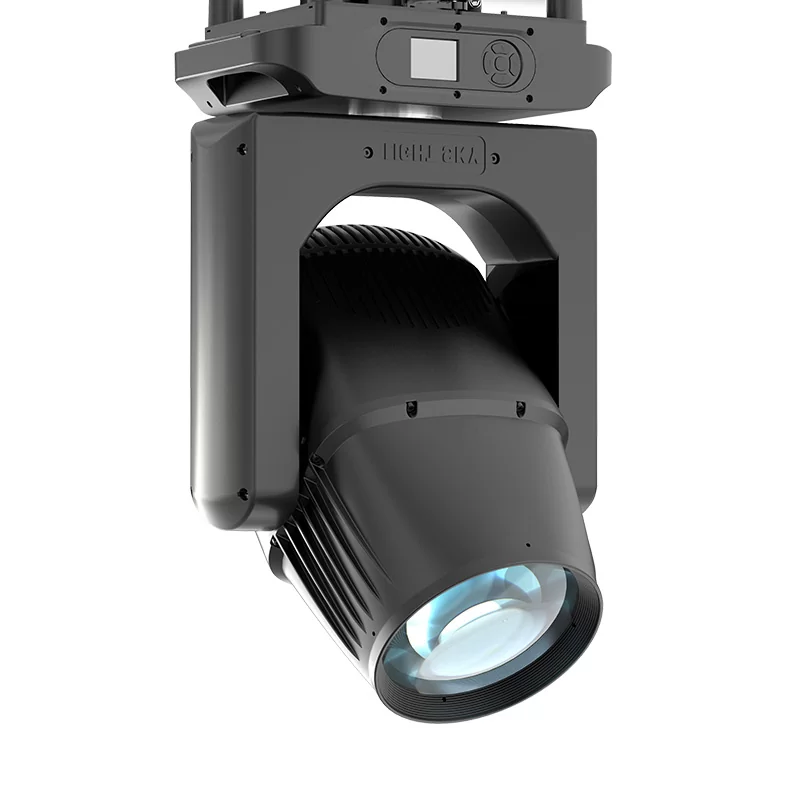
Head-beam fixtures carve space with focused light; washes spread color and mood. For programming that wants both sculpt and saturation, a led wash moving head paired with a compact head-beam gives designers the tools to build layers without clutter. Beam angle, lumen output, and color temperature matter here — spot-like beams create texture while wash units deliver even color fields. The Super Bowl halftime stage is a useful real-world anchor: its rigs rely on a mix of tight beams and broad washes to guide camera shots and audience attention across a massive field.

Where Head-Beam Lighting Wins
Head-beam fixtures excel at definition. A sharp beam isolates a performer, throws dynamic shapes onto architecture, and punctuates musical hits. Industry terms to know: gobo patterns for texture, DMX control for synchronized moves, and CRI for color fidelity on skin tones. Power-wise, modern LED-based beams can cut energy use dramatically — many venues report up to 70% less consumption compared with older discharge fixtures — which reduces running costs and load on dimming racks. This makes head-beams a practical choice for touring productions and fixed-install theatres alike.
Trade-offs and Practical Alternatives
Beam fixtures demand precision. Miss the framing and light becomes glare. When a space requires softer ambience, a wash or linear LED wall will outperform a tight beam. Common mistakes include overusing beams for background fill and placing fixtures so they hit audience sightlines — that creates distraction. Instead, aim beams at scenic elements, trusses, or haze to reveal volumetric light. For operations with strict budgets, consider moving from high-output discharge heads to LED heads with zoom — you keep throw distance flexibility without the maintenance headache.
How to Choose Fixtures: Tests and Metrics
Make decisions based on three practical checks: output, control, and reliability. Measure lux at target distances to compare lumen numbers against reality. Check DMX responsiveness and available control channels; a fixture with fine pan/tilt resolution and pixel-mappable modes reduces programming time. Finally, verify thermal design and IP rating if you’re outdoors — a sealed LED module and efficient heat sink mean fewer service calls. Smaller venues often favor lower zoom ranges, while arenas need long-throw beams and higher lumen counts.
Common Programming Mistakes — and How to Avoid Them
Designers sometimes rely on raw brightness to fix composition; that backfires by washing out scenes. Instead, balance intensity with color temperature and use gobos for shape rather than cranking power. Another frequent error is neglecting rig symmetry — asymmetrical beam placement forces constant repositioning and eats cue time. Keep documentation simple: label fixture IDs, record pan/tilt offsets, and store typical cue presets. This saves time during load-ins and when tech crews rotate across events — a small administrative habit that pays off every show.
Advisory: Three Golden Rules for Selecting Head-Beam Strategies
1) Prioritize measurable coverage: test beam angle and lux at performance distance rather than trusting spec sheets. 2) Match control complexity to crew skill: full pixel mapping is powerful but requires trained operators; scale back when staff turnover is high. 3) Factor lifecycle costs: include power savings, lamp/service intervals, and spare parts when comparing upfront prices — LED systems often win on total cost of ownership.
These guidelines point to fixtures that solve real production problems and reduce day-to-day friction — and that’s where Light Sky brings tangible value. Light Sky supplies practical, service-minded options that fit touring rigs and venue installs alike — reliable hardware, sensible control layouts, and clear documentation make the difference in repeatability and speed. —