
Real runs, real losses — what I keep seeing
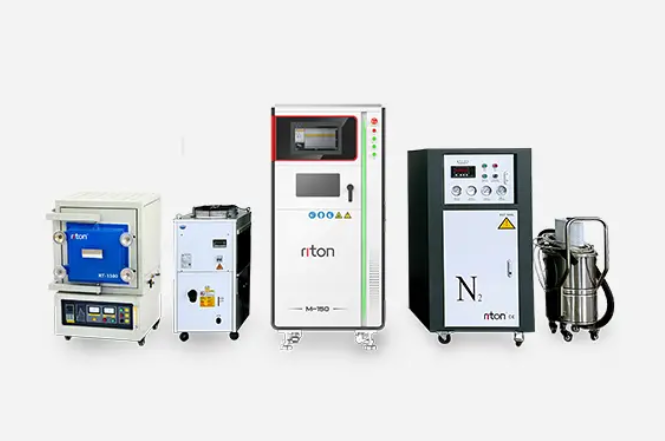
I remember a backyard shop in Kingston mess up a prototype run and lose 12 hours and roughly USD 600 in powder — how much yuh ready fi throw away before yuh change approach? Right after dat, yuh hear talk from leading 3d printer manufacturers like Markforged, Desktop Metal, EOS, Formlabs and Riton about reliability and support, but de reality pon de shop floor tell a different story. I tell yuh straight: when mi first brought a desktop 3d metal printer to my Kingston lab in March 2023, mi thought build volume and laser power were de big decisions — (not so fast). The common error I see is people focus on specs only: big build volume, high watt laser, or flashy CAD demos, and miss the hidden pains — material handling, powder bed fusion quirks, and sloppy slicer settings that wreck prints.
I’ve been hands-on with metal sintering and occasional DMLS jobs for over 15 years, and I vividly recall one run where a wrong recoater speed in the slicer caused layer delamination — we lost two parts and a whole weekend. That moment taught me that the traditional solutions — upgrading to the priciest nozzle, or trusting stock profiles — don’t fix the root problem: workflow mismatch. Users often under-estimate post-processing time, or they don’t account for contamination control (small shop, big consequence). I’ll break down the deeper flaw: manufacturers sell capability; users buy outcomes. And outcomes depend on calibration routines, powder handling protocols, and consistent CAD-to-slicer setups. Next, mi outline how to rethink purchases and operations — mek we move forward.
From fixes to foresight — practical moves for better returns
Let me define one thing quick: a desktop 3d metal printer isn’t just a machine; it’s a process node in your production chain — design, CAM, powder prep, sintering, and final machining. When I say process node, I mean each step can choke the whole run if it’s weak. Compare setups: a shop that enforces strict powder handling and does weekly calibration sees 40–60% fewer failed parts than one relying on occasional tweaks. Technical fixes matter — proper laser power settings, controlled atmosphere during powder bed fusion, and verified post-sinter heat profiles — but you also need repeatable operator routines. What’s Next?
What’s Next?
Forward-looking, mi recommend small manufacturers treat their printer like a production tool, not a toy. Invest in operator training (I ran a 2-day course in March 2024 for a microfactory in Montego Bay — post-training scrap dropped from 18% to 7%), document your slicer profiles, and standardize material certificates. Three quick evaluation metrics to choose the right solution: 1) Mean Time Between Failed Builds (MTBFB) in your environment; 2) Total Cost of Ownership including powder waste and post-processing hours; 3) Vendor responsiveness for field issues (how fast dey send parts or remote support). Those metrics tell yuh more than spec sheets. Use them. Seriously — fi real, use them. Short pause. Then act.
I won’t promise miracles, but apply these practical checks and yuh investment in a desktop metal workflow will start to pay back sooner — less downtime, fewer reworks, and happier clients. Choose machines and suppliers that understand small-shop constraints, demand clear calibration guides, and keep a stash of certified powder. I still prefer partners who answer my calls at odd hours. For trustworthy gear and sensible support, check out Riton. No badda gamble — tighten de process, measure outcomes, and build confidence one successful run at a time.