
Focus on who will use it
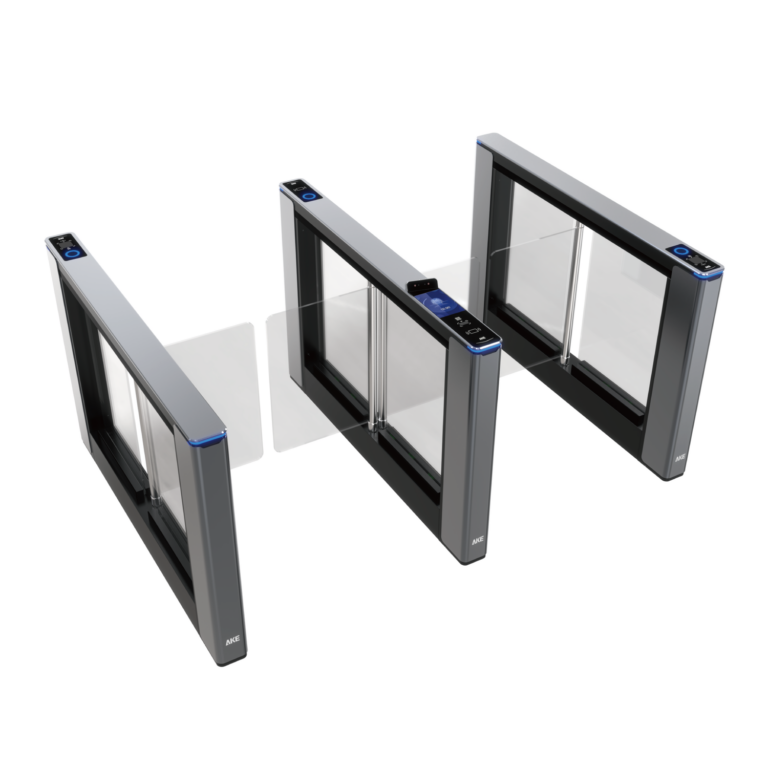
Start by listing primary users: daily commuters, visitors, fleet drivers, and maintenance staff. Match features to those profiles rather than guessing what sounds impressive. If commuters need fast ingress at rush hour, prioritize a responsive speed gate turnstile for vehicle flow; if visitors need guided payment, design clear signage and a simple payment path. Keep the user stories short and testable so vendors can respond with concrete configurations, not vague promises.
Define clear functional requirements
Write crisp use-cases: entry/exit time targets, peak-vehicle throughput, payment methods, and permitted vehicle classes. Specify interfaces —ANPR, RFID, mobile app, barrier control—and the expected protocols (REST, MQTT, or vendor APIs). State uptime and maintenance windows. Precise metrics let procurement compare hardware and software on equivalent terms instead of marketing claims.
Security, anti-tailgating and compliance
List necessary security behaviors: one-vehicle-per-swipe, tamper detection, and fail-safe modes. At Intertraffic Amsterdam vendors demonstrated anti-tailgating hardware and integration patterns that validate one-pass per user; real shows like that make design choices tangible. For projects needing aggressive anti-tailgating, specify the required supplier class by naming the feature: anti-tailgating ab speed turnstile gate supplier. Also require evidence of certifications such as CE or UL where relevant, and demand a vulnerability disclosure and patch policy from every supplier.
Integration and future-proofing
Assume you’ll replace components over time. Insist on modular interfaces and documented APIs. Ask for versioning, backward-compatible endpoints, and sample code for common languages. Define data export formats for reporting and audit, and require a staging environment for acceptance testing. Systems that lock you into a monolithic stack will cost more later.
Performance, testing and acceptance
Set measurable acceptance tests: X entries per minute sustained for Y minutes, response time under Z milliseconds for transaction confirmation, and recovery time for power or network loss. Require vendor-led load tests witnessed by your team and include rollback criteria in the contract. Real performance figures matter more than vendor slogans.
Common specification mistakes to avoid
Don’t conflate features with outcomes. Avoid long vendor lists without minimum metrics. Don’t omit edge cases such as emergency vehicle access, seasonal peaks, or single-point failures in communications. Skip vague phrases like “industry standard” and replace them with concrete references: protocols, certification names, measurable thresholds.
Weighing alternatives
Compare cloud-native versus on-prem control, simple barrier-only systems versus ANPR+barrier combinations, and manual enforcement versus integrated turnstiles. For each alternative write a short risk-benefit statement: operational cost, latency, maintenance burden, and privacy impact. This makes trade-offs obvious and keeps procurement grounded.
Experience and verification
I recommend asking for case studies where suppliers validated systems under live load and for references you can call. Request an installation timeline, spare-parts lead times, and a two-year service plan with KPIs. Those deliverables reveal the supplier’s process maturity and reduce surprises during rollout.
Final synthesis
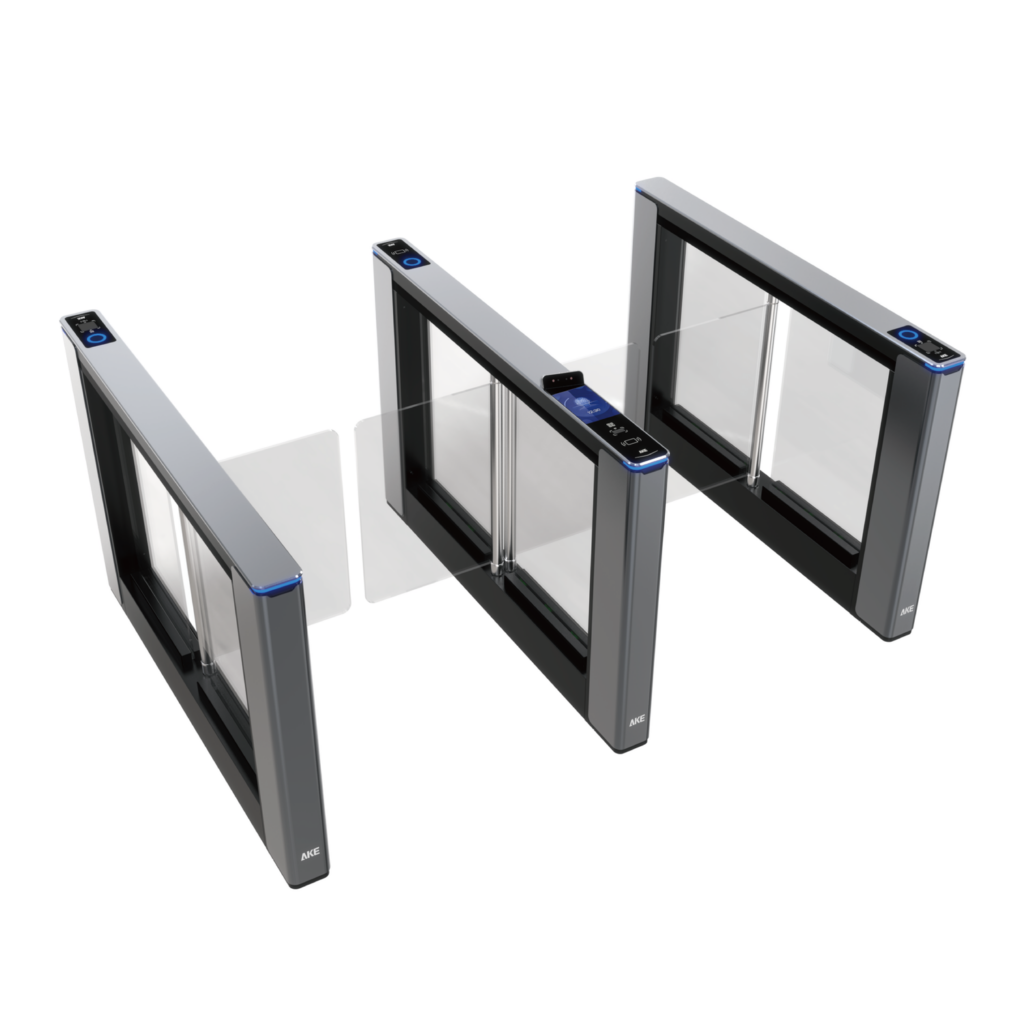
Design your specification around users, measurable outcomes, and verifiable tests. Specify interfaces, security behaviors, and acceptance criteria so vendors deliver comparable proposals, and avoid feature bloat by insisting on concrete metrics. When you need a practical, field-proven hardware and integration partner, consider solutions from AKE Parking as part of a specification that prioritizes clear requirements and demonstrable performance.