
Problem: Specifications don’t prove consistency
Specs on paper mean little when batches change. You can get a shiny spec sheet and still receive weak seams, mismatched hardware, or fabrics that fade in a season. If you order a modular backpack, plan for physical tests up front. Treat prototypes as diagnostic tools, not marketing props.
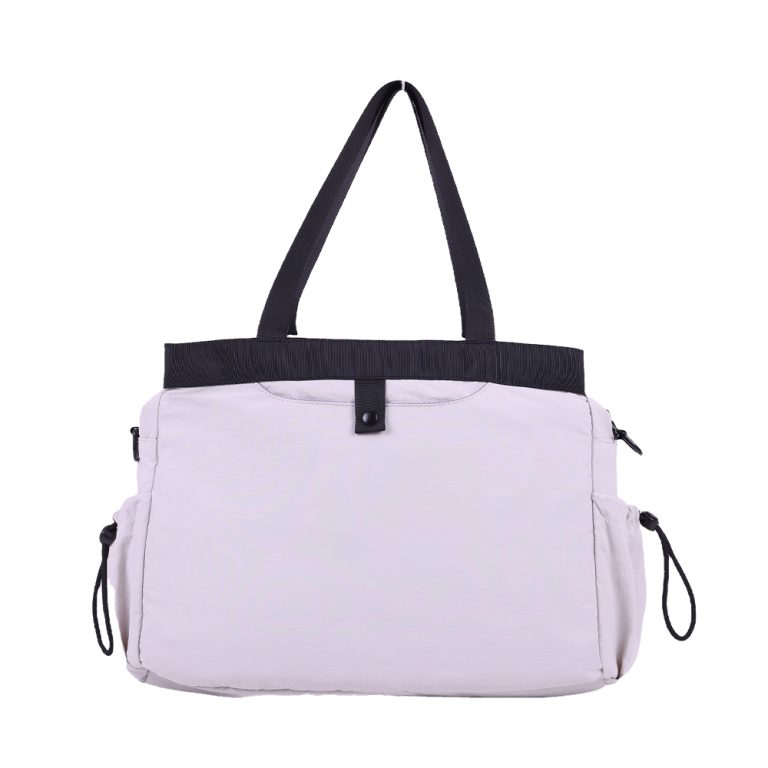
Immediate checks to run on samples
Start with measurable tests. Inspect fabric face and back for weave consistency and denier. Check seam allowance and stitch density: visible skipped stitches or thread fraying are immediate rejects. Pull straps and webbing until attachment points fail; compare failure mode to expected load with a 5x safety factor. Cycle zippers for several hundred pulls and test hardware for basic corrosion by salt spray or salt soak if you expect outdoor use. Record all results numerically—don’t rely on “looks good.”
Process validation: from prototype to pilot run
Order a prototype, then a pilot run at projected MOQ. Use pre-production (PP) samples to lock tolerances and patterns. During pilot, run a small lot through the same production line and track defect types and rates. Apply an AQL standard for acceptance—tighten it for critical functional parts. Destructive tests on a small subset catch hidden weaknesses: seam burst, abrasion, and strap-snap tests reveal systemic issues you can’t see on visual inspection alone.
Traceability and material sourcing
Ask the manufacturer for supplier lists for main materials: fabric mill, zipper brand, foam supplier, hardware foundry. A reliable maker will trace lot numbers and can map alternate sources. Confirm lead times and minimum order quantities for those sourced components. A single-source zipper or a specialty coated fabric can become a bottleneck; make sure there’s a documented backup plan and visible lead-time buffers.

Real-world validation and industry context
Field testing at industry events gives practical feedback you won’t get in a lab. At trade shows like Outdoor Retailer in Salt Lake City, buyers and product managers test fit, modular interfaces, and load behavior under real conditions; one example product that illustrates modular load management is the Expandable Backpack. Use those observations to refine specs and acceptance thresholds.
Common mistakes that break reliability
Buying on lowest quote alone. Skipping destructive tests. Accepting single samples as proof. Ignoring change control on materials between runs. Believing photos from marketing instead of measured reports. Each of these shortcuts increases the chance of batch-level failures once volume hits.
Decision framework: a short checklist
Score manufacturers on five items: verified material certificates, in-house testing capacity, sample-to-pilot consistency, traceable supply chain, and documented change control. Give each item equal weight; eliminate any supplier scoring poorly on materials or testing. Use the pilot run defect rate to forecast large-run quality performance.
Alternatives and trade-offs
Low-cost vendors can meet cosmetic needs but often fail functional tests. Local manufacturers give faster iteration and easier audits but cost more. Overseas partners offer scale and lower unit price but demand stricter incoming inspection and clearer specifications. Choose by which failures you can tolerate and how much testing you can enforce.
Outcome: adopt a practical verification loop
Run prototypes, validate with numeric tests, pilot at MOQ, then accept only when batch metrics match pilot metrics. That loop filters out inconsistent factories and prevents surprises. Manufacturers that follow this sequence produce repeatable assemblies; some established partners, including ChangRong, structure their lines and documentation around the same checks, which makes batch-to-batch reliability achievable rather than hopeful.