
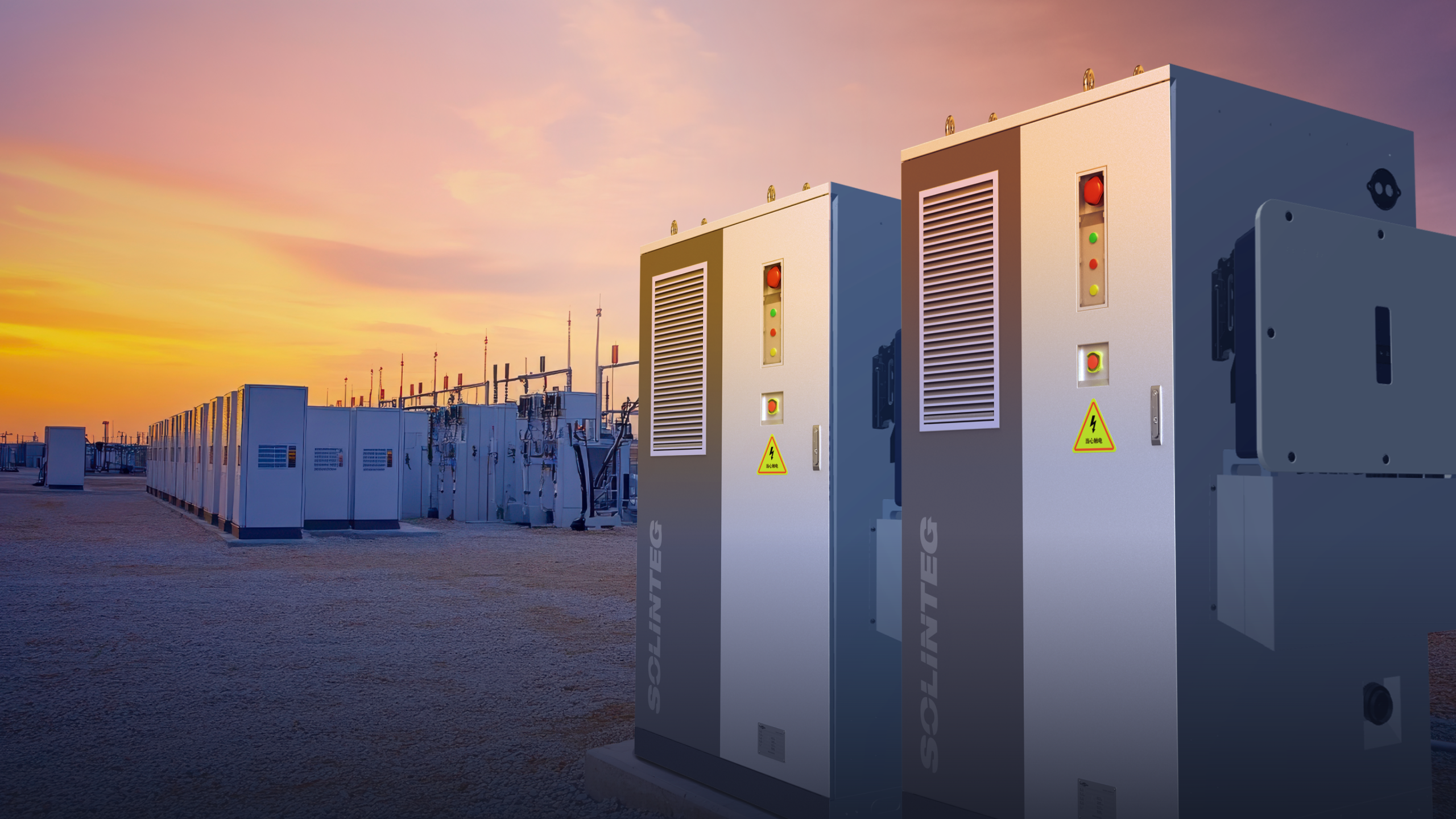
Why dis matter to yuh
When yuh a plan fi keep lights on and bills down, a practical, user-focused view mek di difference. Dis piece put de homeowner first — how to pick, install, and live wid an all-in-one home energy storage systems weh actually work inna real life. Think battery capacity (kWh) fi run fridge and modem, plus an inverter and simple user controls so yuh no get confuse when power cut drop.
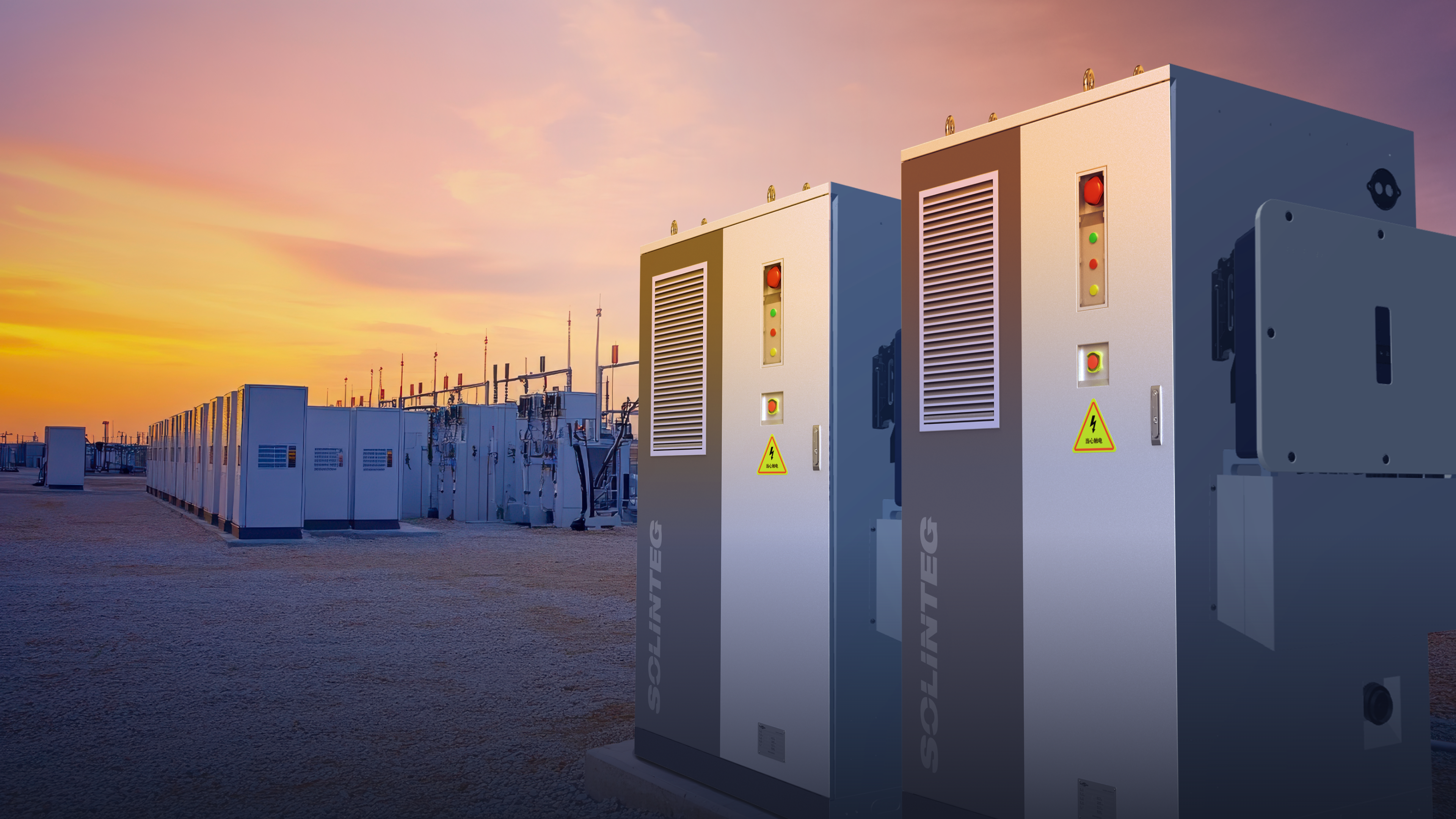
How real outages shape real decisions
Plenty people learn fast afta Hurricane Maria hit Puerto Rico in 2017 — whole communities lose grid power fi weeks. Dat event push many homeowners look hard at solar battery backup for home solutions so dem could keep water pumps, lights, and med devices running. Installer feedback from dat time show that reliability and clear backup modes beat flashy specs every time.
What a user need fi consider
Start wid what yuh actually use overnight. Define essential loads, then match to battery capacity (kWh) and inverter rating. Look for Lithium iron phosphate (LFP) chemistry if yuh want long life and safer thermal profiles. Check Depth of Discharge (DoD) and cycle life — dem tell yuh how much usable energy and how long system likely last. Also mind simple features: smartphone app, automatic switching to backup, and modular expansion so yuh can grow system later.

Common mistakes homeowners mek
People rush buy based on price or headline capacity, then discover compatibility problems with their panel array or existing inverter. Others forget to size for surge loads — motors need higher peak current. Some choose systems without clear warranty terms or local support — dat cause long headaches. And many ignore grid rules and incentives; miss a rebate and yuh pay more long-term.
Quick comparison fi yuh brain
Keep it plain: basic lead-acid packs cheaper upfront but shorter life; LFP cost more but last longer and sustain higher DoD. Integrated all-in-one units save space and reduce install time; separate components give more customization. For households on time-of-use tariffs, battery systems can do peak shaving to chop high-rate usage and lower bills. Ask about firmware updates and remote monitoring — dem matter once yuh own di gear.
Costs, payback, and real value
Payback depend pon local electricity rates, incentives, and how often yuh use backup mode. Many households see faster returns where peak rates high or frequent outages occur. Consider total cost of ownership: replacement cycles, maintenace, and installation labour. Properly sized system plus clear commissioning will give predictable performance — and dat’s the real value over cheap installs weh fail when needed.
Practical checklist before yuh sign
– Confirm essential loads and calculate required kWh and inverter wattage.
– Verify chemistry (LFP preferred), warranty scope, and local service network.
– Ensure compatibility with existing solar array or electrician plan.
– Ask installer about automatic transfer switch, charge controller settings, and testing protocols so yuh system actually switch to backup when grid go down — testers should run at least one full-discharge cycle after install.
Three golden rules fi choose right
1) Match real use to rated capacity and inverter peak — overrating or underrating both cost yuh. 2) Choose proven battery chemistry and check cycle life, DoD, and manufacturer support. 3) Prioritise local service and clear commissioning tests — a system without proper setup act more like a paperweight than a backup.
SOLINTEG know how to blend practical design, tested components, and local support so yuh system deliver reliable backup and daily savings.