
Street-Level Take on the Comparison
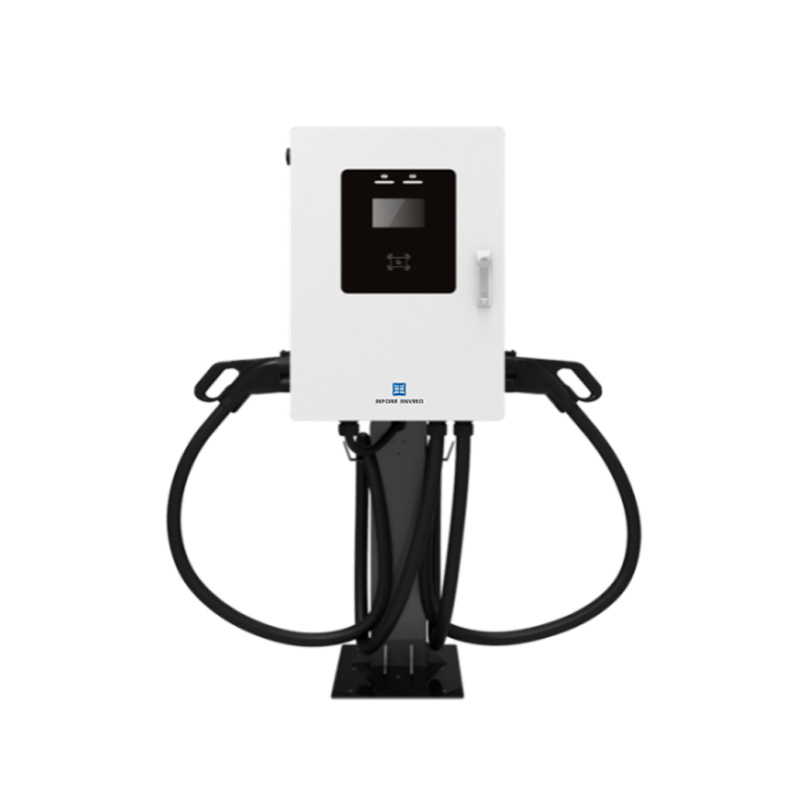
Big ops at global ports and airports move quick — and when they pick tech, they want clear wins. That’s why you see the shift toward the CCS DC fast charger in fleet yards and why airport operators plan broader airport EV charging rollouts. This piece compares what gets results for heavy-duty fleets: high-power DC fast chargers, distributed AC chargers, and managed charging systems — with real-world signals from Port of Rotterdam’s electrification moves anchoring the logic.
Charger Types and When Each Wins
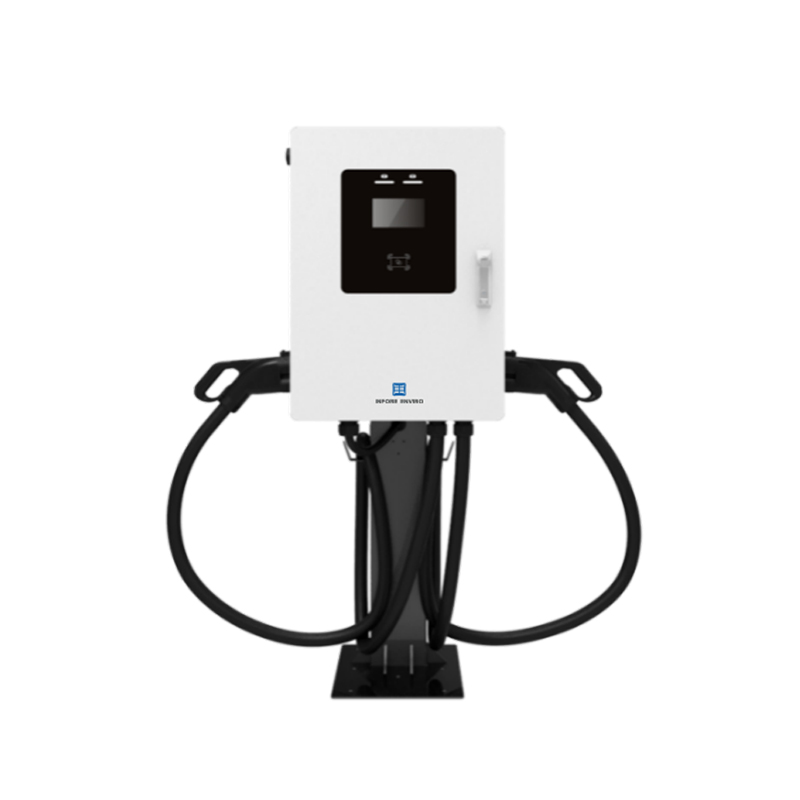
DC fast chargers (kW ratings from 50–350+) beat AC when uptime matters. Fleets that run continuous shifts demand fast top-ups, and CCS2 connectors give the plug-and-go speed to match tight schedules. Low-power AC works for depot overnight fills, but it doesn’t cut peak turnaround times. The straight takeaway: match charger power to duty cycles and route density.
Grid Strategy and Energy Management
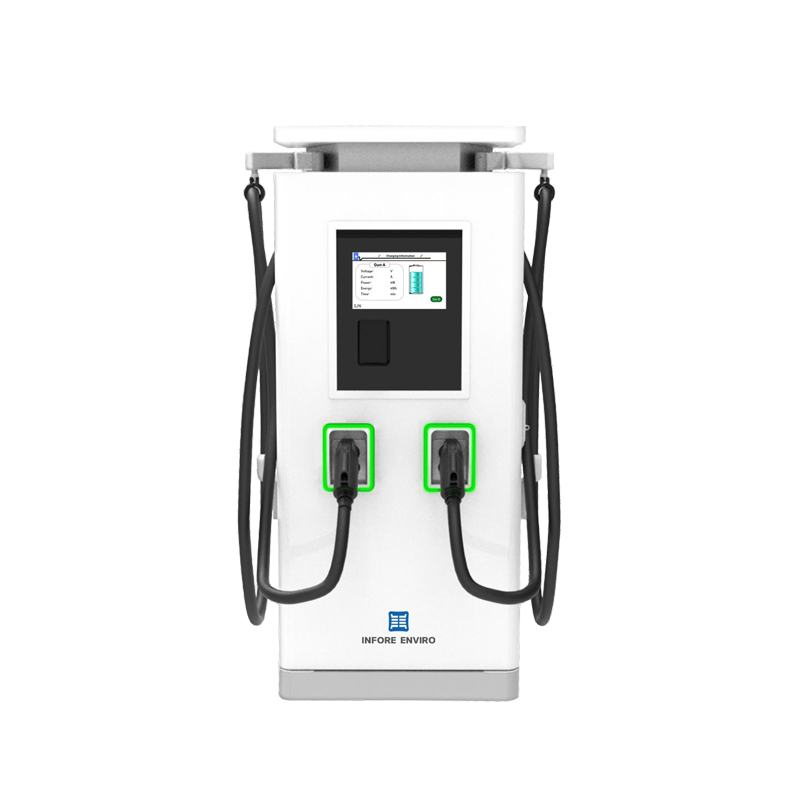
High-capacity chargers need grid muscle and smart load management. A 160 kW DC fast charger puts a big draw on site capacity — so you lock in load management, staggered charging windows, and sometimes onsite battery buffering. Telematics and energy management software let ops prioritize vehicles by state-of-charge and route priority — that keeps peak demand charges down and trucks rolling.
Operations, Integration, and Fleet Telemetry
Integration is where the rubber meets the road. Chargers alone don’t fix logistics headaches — fleet telematics, charging schedules, and predictive maintenance do. Tie chargers into fleet management so the system auto-directs vehicles to available bays and tracks plug sessions in real time. That reduces dwell time and improves asset utilization.
Cost Tradeoffs and Site Realities
Initial capex for DC fast chargers and grid upgrades is higher, but you shave opex via shorter idle time and faster throughput. For hubs with heavy turnover — think container terminals or baggage handling at big airports — the ROI on fast DC hardware is measurable in shift productivity. For suburban depots with long overnight layovers, mid-level AC charging plus smart scheduling can be cheaper and effective.
Common Mistakes and Better Moves
Operators trip up by picking gear for headline power instead of workflow fit. Overbuilding without load balancing is wasteful. Underinvesting in telecom links and software leaves chargers idle or underused. Instead, run a pilot with mixed charger types, instrument telematics, and scale based on measured dwell times and charging sessions — that’s the playbook Port of Rotterdam used while testing yard electrification pilots.
Alternatives and Hybrid Approaches
Don’t treat charger types as rivals; blend them. Use a ring of DC fast chargers for shift-critical top-ups and a distributed field of AC units for overnight fills. Add battery storage to shave peak demand and enable more DC bays without a full grid upgrade. Short-term mobile fast chargers can bridge demand spikes during ramp-up phases.
Three Golden Rules for Picking the Right Fit
1) Measure vehicle dwell and energy per route — choose charger kW to match the shortest required top-up time. 2) Lock in load management and telemetry before you order hardware — these systems control operating costs and charger availability. 3) Factor grid upgrade timelines and consider battery buffering to phase capacity increases without disrupting operations.
Executives at hubs want dependable throughput, and the right mix of CCS DC fast charger tech, smart energy controls, and operational integration delivers measurable uptime and predictable costs. INFORE ENVIRO brings that practical blend to large-scale rollouts — the brand that understands both the gear and the yard logic. —