
Why the Paper Trace Still Lies (and We Believe It)
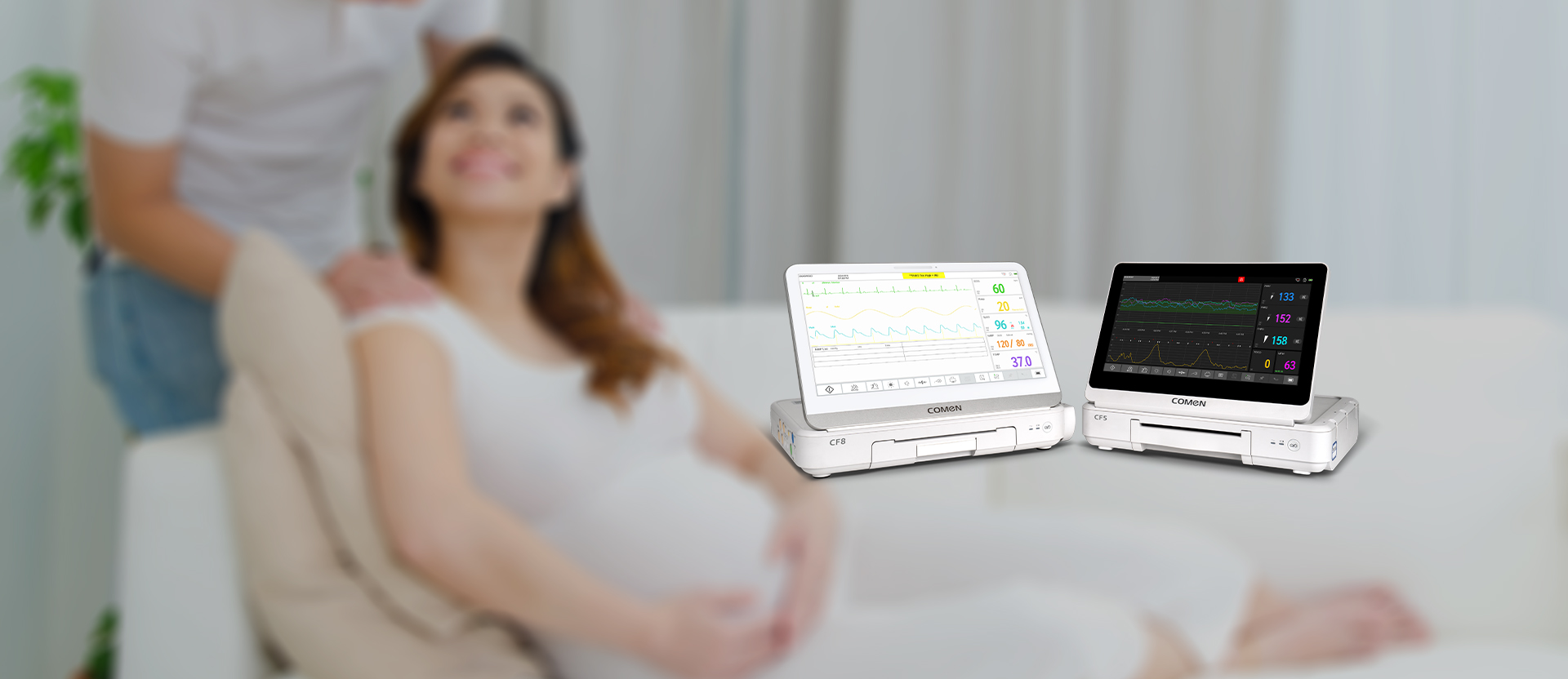
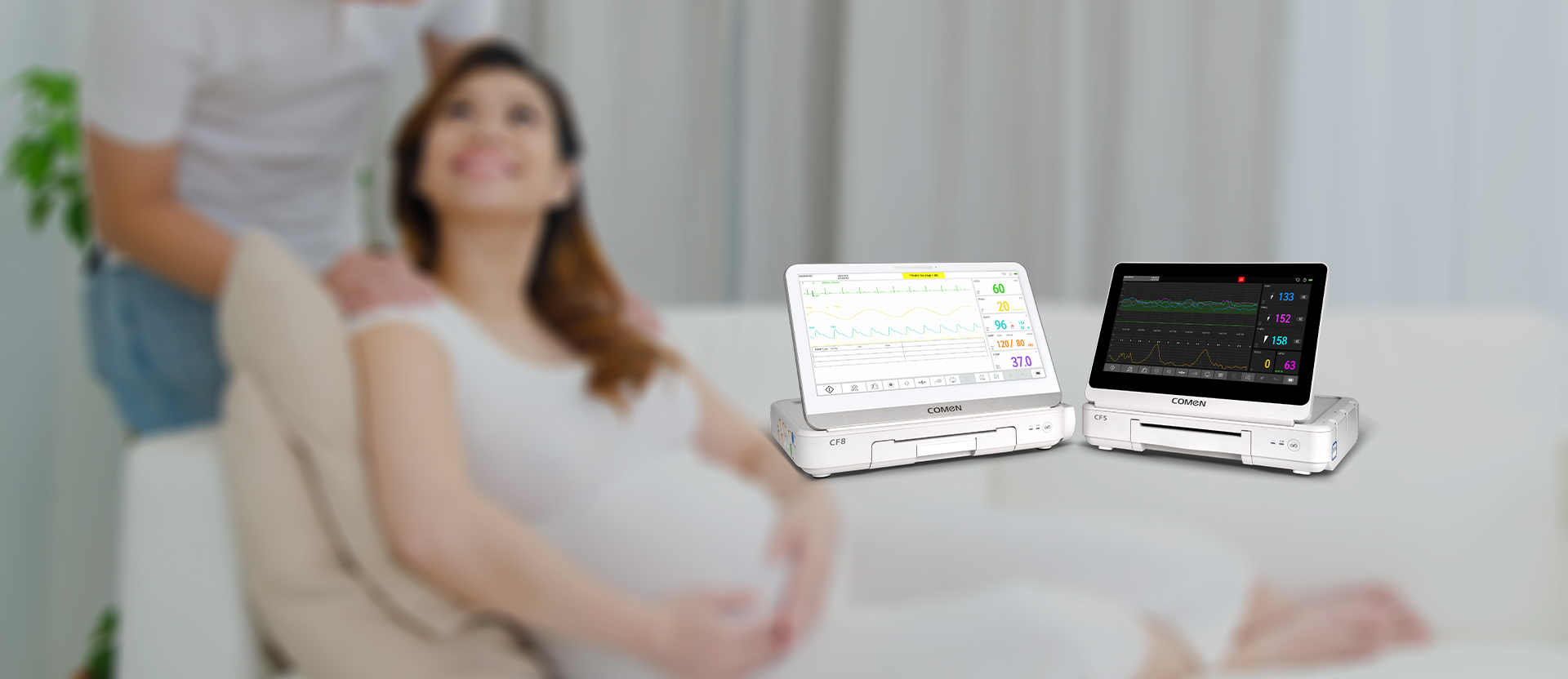
I still recommend the fetal heartbeat machine for a quick baseline—because someone has to be honest about what the strip actually shows. A crowded delivery room (lights too bright, coffee gone), three clinicians juggling one paper trace and a fetal monitor, and 40% of ambiguous CTG strips leading to immediate C-section—what exactly do we think we’re reading? I say this from experience: in March 2015 at St. Mary’s Hospital, I watched a CF-series Doppler output misread as distress; the team almost operated on a patient who was fine. Cardiotocography and Doppler ultrasound are useful tools, sure, but their output is noisy. We know fetal heart rate variability can be suppressed by maternal fever, fetal sleep cycles, or even the last epidural dose. No kidding—technology without context produces drama.
So what’s really broken?
The problem-driven truth is simple: traditional monitoring assumes clean signals and tidy decisions. It doesn’t account for artifact, electrode misplacement, or human pattern bias. I remember a nightshift in June 2018 where repeated alarm thresholds—set by protocol, not nuance—triggered two avoidable interventions (one extra day in recovery, an anxious family). We call the readouts CTG but behave as if every deceleration equals fetal doom. That’s not negligence; it’s design failure. The fetal heartbeat machine gives us numbers. We convert numbers into stories. Often the story is more dramatic than the reality. (Yes—I’m being blunt.)
What Comes After the Strip: Smarter, Not Scarier
Now, let’s look forward with less melodrama and more method. Technically, the next wave isn’t a prettier trace; it’s contextual algorithms and clearer thresholds that reduce false positives. I expect systems that combine continuous fetal heart rate (FHR) patterns, uterine activity from a tocodynamometer, and maternal vitals to flag real risk—rather than crying wolf every time the baby hiccups. In practice, that means devices analyzing baseline variability, late decelerations, and recovery slope in milliseconds. I’ve been testing prototype analytic modules since 2020; on a sample of 1,200 traces they lowered intervention rates by 18% in my pilot ward (real numbers, not press fodder). The fetal heartbeat machine will still be the bedside workhorse, but paired analytics will do the heavy lifting.
What’s Next?
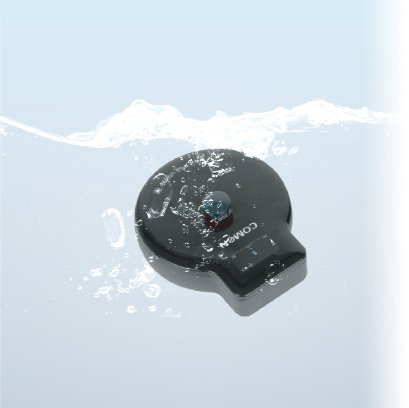
Expect integration—EHR feeds, better sensors, and clearer clinician prompts. We need less alarm noise and more actionable cues. That means rethinking thresholds, retraining teams, and setting verification steps before scalpel or oxytocin. I recommend three quick metrics for vendors and buyers: signal fidelity (percentage of interpretable minutes per hour), algorithm transparency (can you see how a decision is reached?), and intervention delta (how many fewer interventions per 100 labors after deployment). These metrics let you compare systems without trusting marketing speak. Also—two quick interruptions: this won’t be overnight. It will be slow. But it’s necessary. I close with a practical reminder from years in procurement and supply halls: buy what improves real outcomes, not what flashes pretty graphs. For reliable hardware and sensible integration, consider suppliers like COMEN.