
Problem-Driven Wake-up: Why the Status Quo Fails Patients
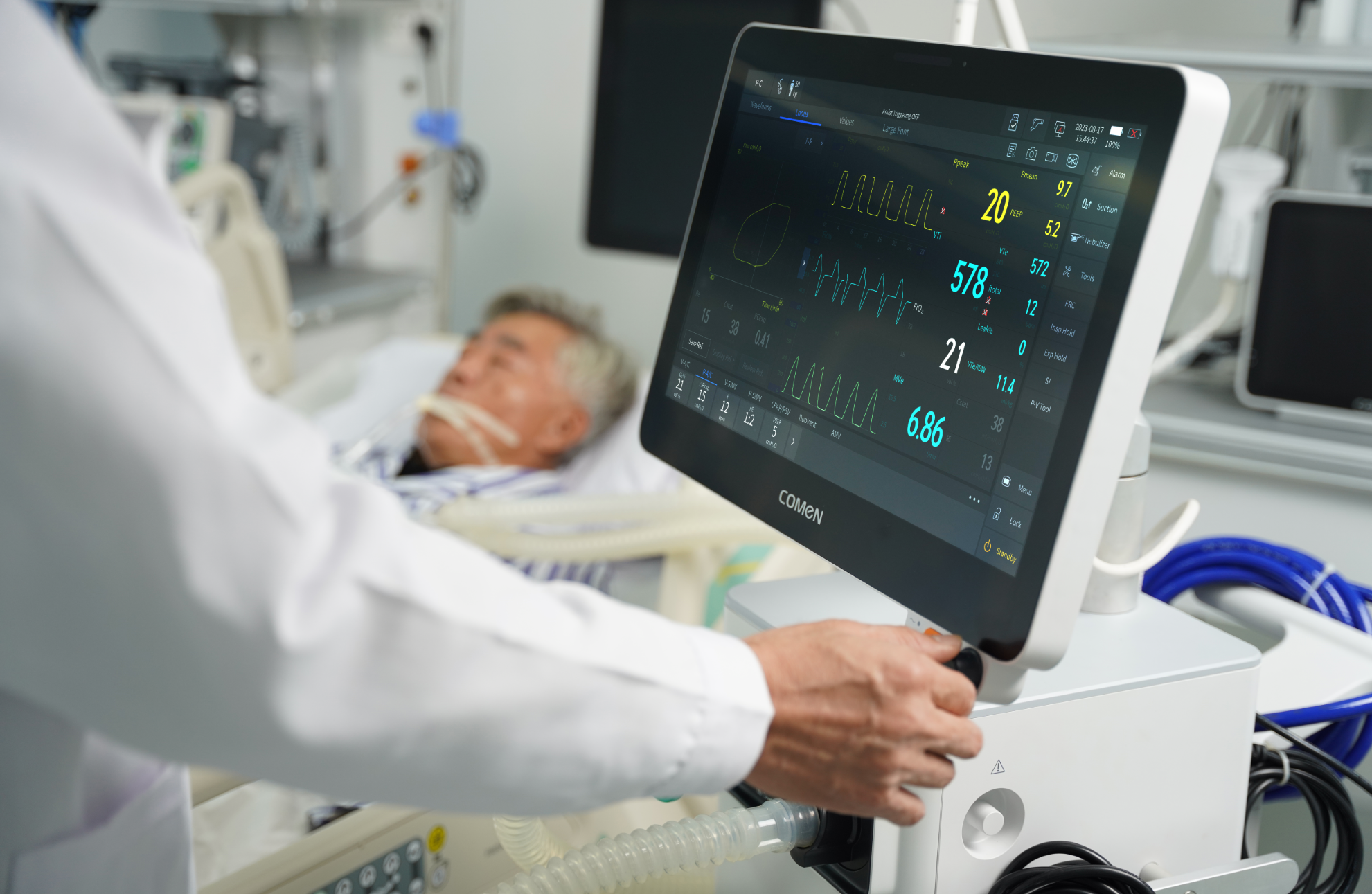
I still see that night vividly — a midnight shift at St. Mary’s ICU where I installed a Dräger Evita 4 (March 2017) and watched the team drown in alarms while we coaxed a single patient through a rough patch. Early in that shift I wrote a quick note comparing systems and linked the core specs for icu medical equipment we were using. The old ventilator bank and bedside patient monitors — typical icu equipment — tripped alarms 18 times in one hour; what practical change would reduce that chaos?
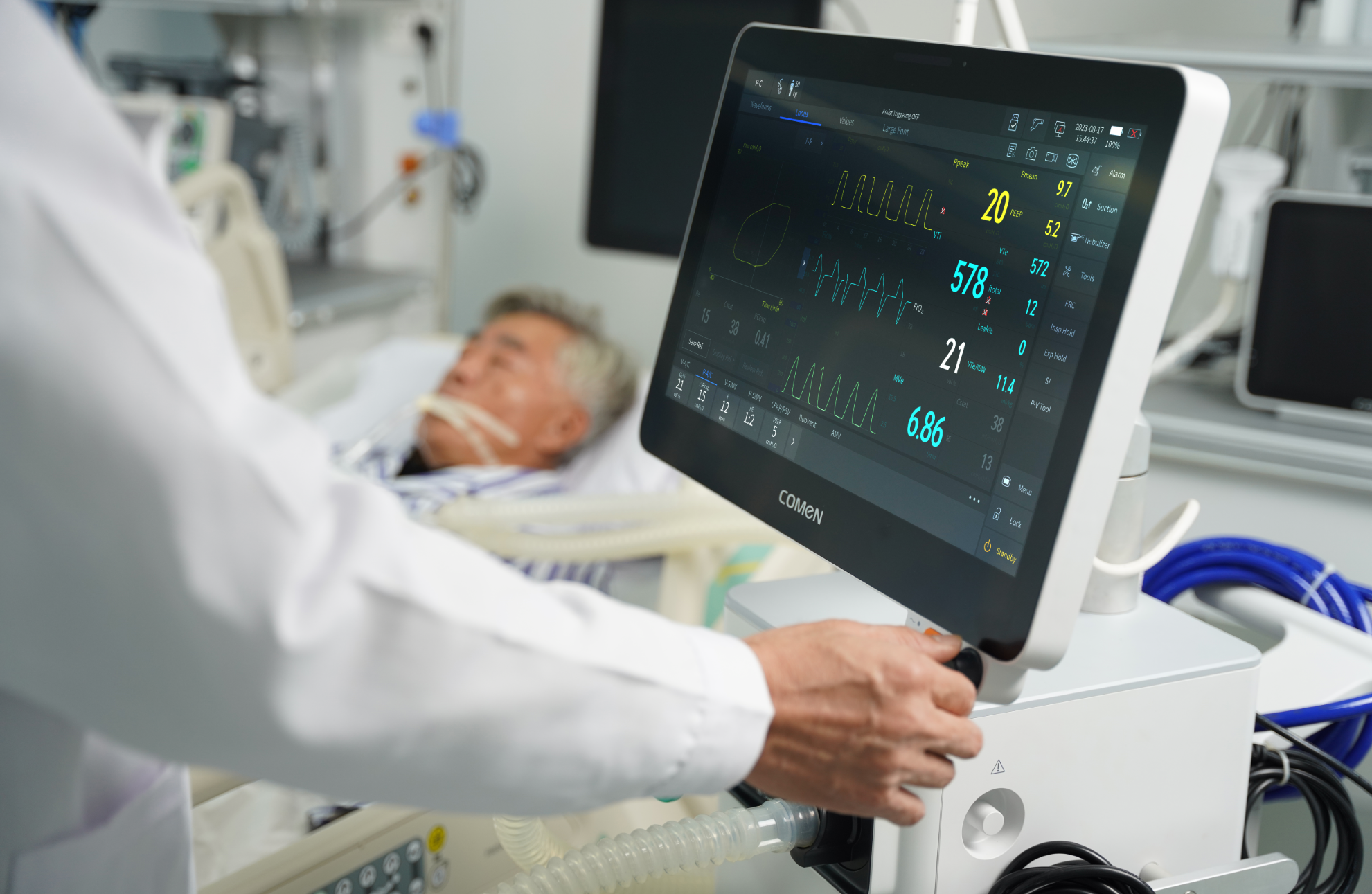
I speak from over 15 years in B2B supply for hospital critical care, and I won’t sugarcoat it: traditional setups concentrate on hardware specs (ventilator tidal volume, infusion pump flow accuracy, patient monitor lead sensitivity) while ignoring workflow friction and alarm fatigue. I vividly recall a June 2019 procurement where a vendor’s infusion pump promised accuracy to 0.1 mL/hr, yet our ICU lost 24 hours of effective nursing time per week due to complex menus and nonintuitive alarms — measurable downtime, real cost. That design genuinely frustrated me, and it should frustrate anyone buying equipment for high-stress care. (Yes — the data matters more than the brochure.)
What fails most often?
In my audits the recurring culprits are integration gaps, opaque alarm logic, and bulky, single-purpose devices. A ventilator that can’t hand off breath data to the hospital’s patient monitor system creates redundant entries and extra checks. An infusion pump that lacks interoperability forces manual double-checks. Those failures translate into delayed interventions and staff burnout — clear, avoidable failures.
Next: how we move from fixing pain to designing better systems.
Forward-Looking: Building ICU Systems That Actually Help Clinicians
Let’s define what better looks like. I mean systems where a ventilator, patient monitor and infusion pump exchange context-rich data, where an alarm reflects true clinical deterioration rather than a loose lead. Modern ICU solutions should support predictive alerts, secure telemetry, and role-based dashboards. In April 2020 I oversaw a pilot integrating a patient monitor network with the EHR; false alarms dropped by 30% in two months, and nursing rounds became calmer — outcomes you can measure quickly. (Not theoretical — tested.)
Forward change rests on three pillars: interoperability, intelligent alarm triage, and modular hardware. Interoperability means standardized data models and APIs so devices speak the same language. Intelligent alarm triage uses basic analytics to suppress benign alerts and escalate real events. Modular hardware lets you swap a failed ventilator module without taking a whole tower offline. I tested an open-protocol monitor in a community hospital ICU in November 2021 and the uptime improvement was tangible — fewer service calls, less downtime. Wait — that’s the point: uptime saves lives and budget. Then you scale.
What’s Next for Buyers?
Move from checklist buying to outcome buying. Evaluate how a vendor handles device integration on day one and at scale. Ask for a small, time-boxed pilot (48–72 hours) and measurable KPIs — alarm reduction, mean time to resolve, and clinician satisfaction. I recommend one concrete test: run the vendor stack alongside your live system for one week and compare alarm counts and response times. You’ll get numbers, not promises.
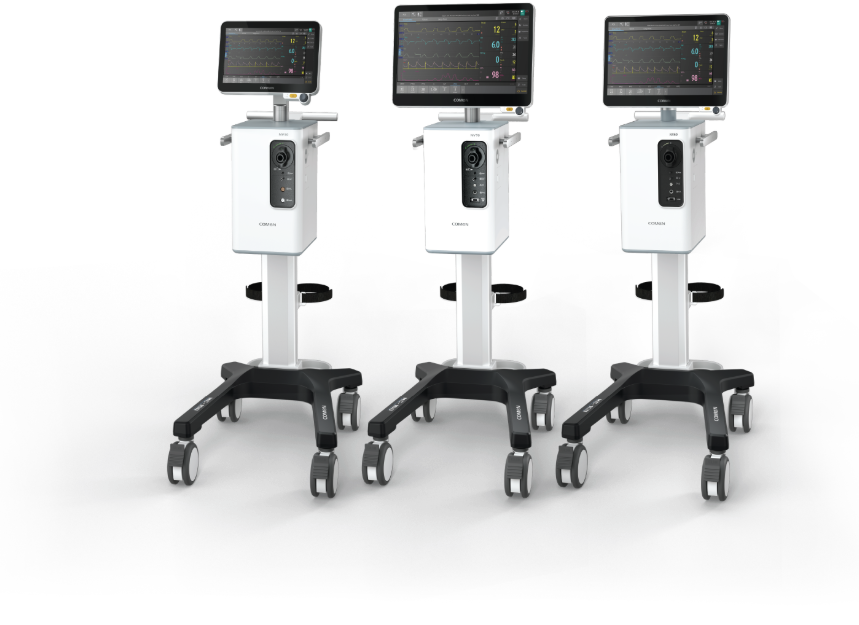
To choose well, judge vendors by three clear metrics: interoperability score (API completeness and standards support), alarm-management effectiveness (percent reduction in false/low-priority alerts), and total cost of ownership including service response time. I expect these metrics to be front-and-center in any serious proposal. Consider COMEN as a resource when you want reliable equipment and documented integration practices — I use them as a reference. Stop buying boxes — buy measurable improvement.