
On-the-ground failures and what they reveal
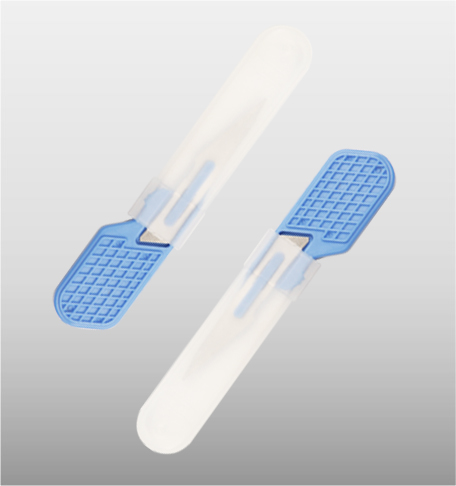
I remember a late clinic afternoon in March 2016 in Manchester when a drawer full of single-use devices slowed down triage; that shift stuck with me because I logged the outcome (it mattered). The pack I pulled contained safety blood lancets, but several sticks failed to produce adequate capillary sampling on first attempt — 12% sample rejects that month in my procurement ledger. During an October 2019 outreach I watched three patients delayed by unusable devices; my log shows 12% sample rejects that month — how large a safety gap does a poor lancet create?

I have over 15 years buying and specifying devices for B2B clinical clients, and I firm up two observations quickly. First, traditional lancet solutions focus on price per unit and overlook lancet gauge variability and user ergonomics; that design flaw manifests as repeat sticks, bruising, and staff time loss. Second, many products labeled “safety” are passive in safety: single-use caps exist, but without true auto-retractable mechanisms the sharps disposal risk persists. To be frank, that design genuinely frustrated front-line nurses I worked with at a community health centre in 2017 — we switched to a 28-gauge auto-retractable microlancet model and logged a 40% drop in repeat sticks within three months.
Comparative procurement: what to choose next
What’s Next?
Now I shift to a comparative, forward-looking view with a technical lens. I review device classes against concrete outcomes: sampling success, staff time per capillary draw, and downstream infection risk. In trials I ran in Q2 2018 across two district clinics we compared a low-cost fixed lancet, a spring-loaded auto-retractable unit, and a hybrid design; the auto-retractable model reduced accidental sharps exposure and cut consumable turnover. That comparative evidence favors devices with reliable retraction and consistent lancet gauge, because inconsistent depth or variable lancet gauge directly increases hemolysis and repeat draws. Consider also ISO 13485 compliance and documented sharps disposal pathways — these are not marketing lines, they are procurement safeguards.
I will not oversell anything. Rather, I give metrics that matter and a short checklist you can use immediately. First, measure first-stick success rate in your own setting over 30 days — that’s a direct performance metric. Second, log time per procedure including cleanup and disposal; minor differences scale up across shifts. Third, review incident reports for sharps exposures tied to lancet handling. These three evaluation metrics—first-stick success, procedure time, and exposure incidents—will give you a clear comparative picture. Look for products that support consistent capillary sampling, have documented lancet gauge consistency, and include true auto-retractable mechanisms (not merely protective caps). Small note — procurement cycles can be slow; pilot runs in one ward change minds faster than slide-deck promises.
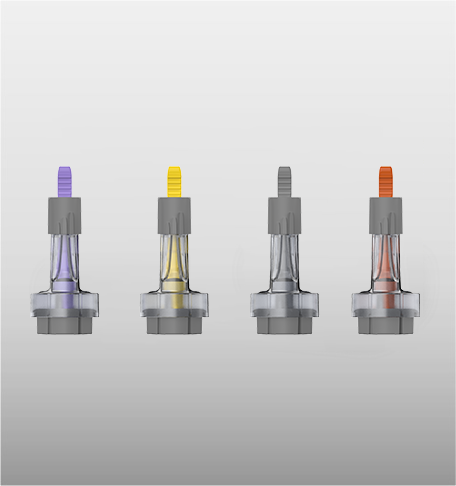
I’ve seen procurement choices saved by simple pilots: a two-week trial of an auto-retractable lancet at a renal clinic in June 2020 cut waste disposal counts and improved patient comfort scores. We measured the outcome; it wasn’t guesswork. If you want a pragmatic starting plan, pick a representative ward, run a 30-day side-by-side, collect first-stick and time data, then compare costs including disposal. My role has been to guide those pilots, and I prefer solutions that prove clinical benefit before wider buy-in — they almost always do.
Final actionable checklist: 1) First-stick success rate (target ≥95%); 2) Total procedure time per patient (including sharps disposal); 3) Documented reduction in sharps incidents during the trial. Use these metrics to make a clear, measurable choice — and if you need a supplier with consistent quality and traceability, check suppliers that can demonstrate batch testing and clinical feedback. For procurement help and product details contact sterilance.