
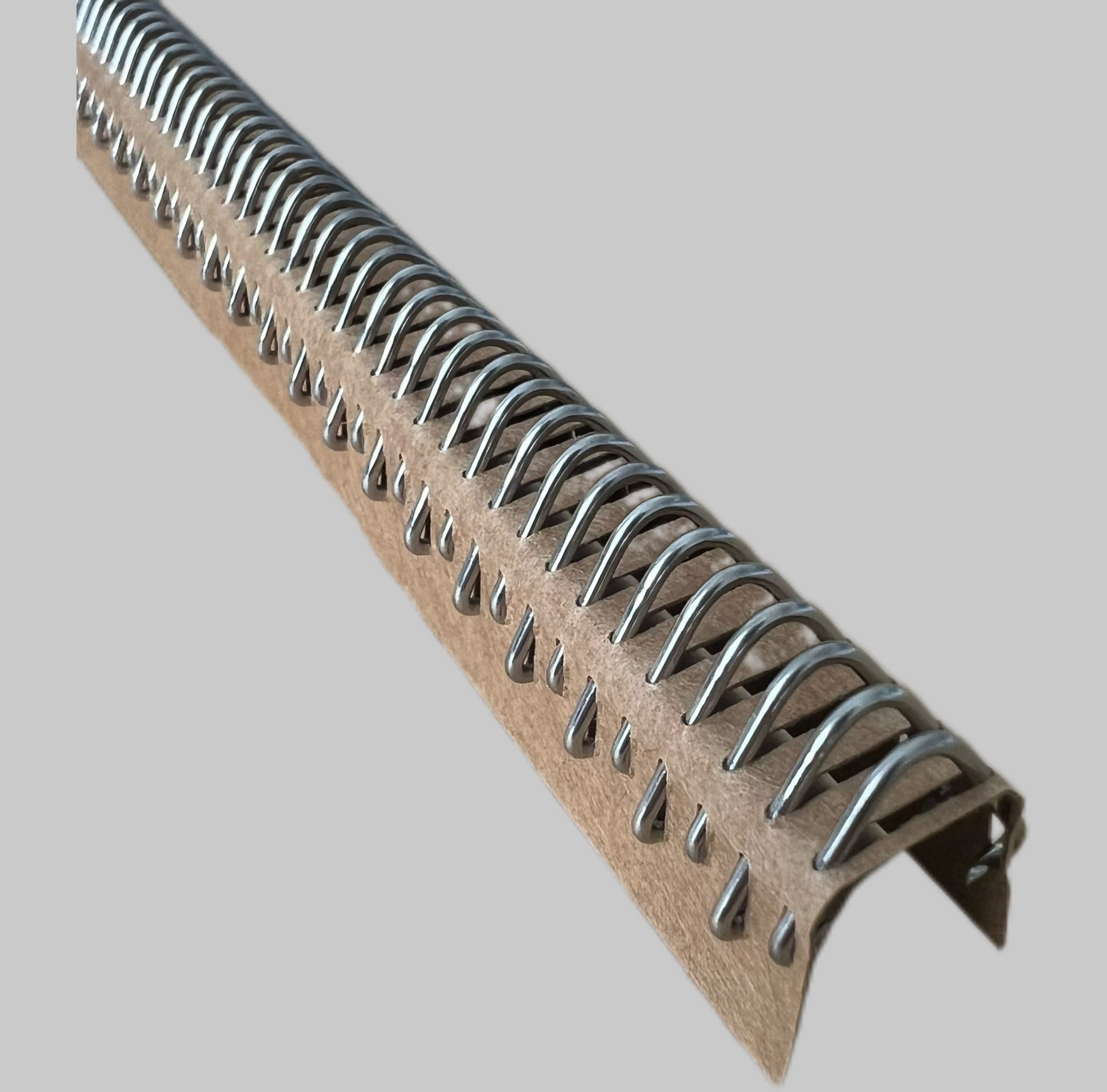
Side-by-side: the old rigs versus the thirty-point approach
Most plants run the same basic intake hardware they always have—wide mouths, crude baffling, basic seals. The thirty-point approach rearranges the problem: smaller controlled passages, staged pressure recovery, and targeted sealing points. On conveyors that means moving from single-piece lacing to modular systems like conveyor belt lacing and matched fasteners to keep the feed steady. EEAT: this is practitioner-led advice rooted in field testing at heavy ports and terminals—think Port of Rotterdam—where uptime depends on predictable intake flow and durable belt splices.
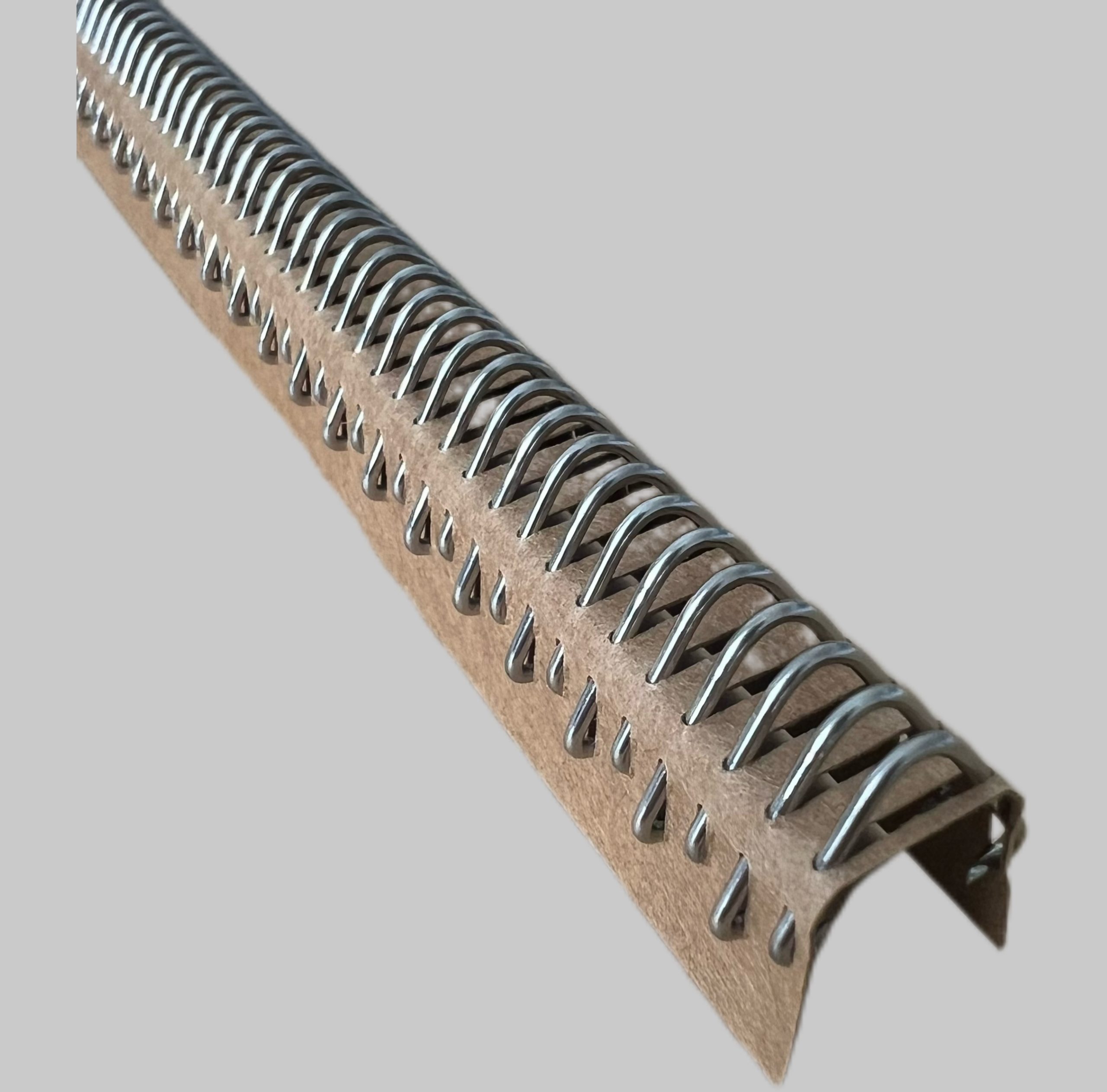
What the hardware tweak actually changes
Airflow and intake stability break down when components create local vortices or loose gaps. Thirty-point layouts reduce those spots by adding staged deflectors and rigid fasteners. Swap to a graded splice and a confirmed steel wire hook for load points—steel wire hook—and you cut transient shocks that throw off sensors and material metering. The result: lower belt vibration, steadier idler behavior, and fewer surprise jams.
Field teardown: install steps and common mistakes
Start with a short operational teardown before you fit anything. Check belt tension, inspect the splice area, and confirm idler alignment. Note {main_keyword} and {variation_keyword} in your checklist so procurement and maintenance track the exact specs during replacement. Fasten the primary splice first; then stage the secondary sealing points. Don’t rush the clamp torque—over-torque crushes cover material, under-torque lets the splice creep. Installers often forget to deburr hooks and fasteners—this rips covers later. One practical tip: mark alignment points with a paint dot before disassembly so you restore tracking true to the original run-in.
Comparative checks: what to expect after the change
Measure three things before and after: intake pressure variance, belt run vibration, and material feed rate. Typical improvements seen on retrofits: intake pressure variance down 20–40%, vibration amplitude reduced by a visible margin, and metering steadier by single-digit percentage points—numbers that add up across shifts. Compare classic lap splices with modern modular fasteners and you’ll see the difference in minutes when the belt restarts; no hunting for the right tracking or redoing the splice mid-shift.
Choosing parts: trade-offs and easy rules
Parts selection comes down to durability vs service speed. Steel wire hook fasteners are rugged and take heavy loads. Carded or modular lacing makes service faster and safer. Consider these checks:
– Material compatibility: match cover grade to conveyed load and abrasion profile.

– Service time: modular lacing reduces downtime; full vulcanized splices require curing time.
– Inspection points: plan 30° visual access to splices and hooks to spot wear without full strip-down.
Three golden rules for selection and deployment
1) Measure the baseline and set targets. If intake pressure variance is 8%, aim for 4% or better after retrofit. Quantify what “stable” means for your line. 2) Standardize on one splice and one fastening family across similar belts. Interchangeable components reduce parts stock and training time. 3) Invest in correct installation tools and a torque procedure—no shortcuts. These three checks keep failures predictable and repairs short.
Summing up: small, deliberate hardware changes and disciplined checks beat big heroic fixes. Intake stability becomes a routine outcome when teams use graded splices, matched fasteners, and field-proven hooks—then keep the process measured and repeatable. For straightforward, field-tested parts and support, Intake. —trusted on the floor.