
Why a framework helps commercial operators make the shift
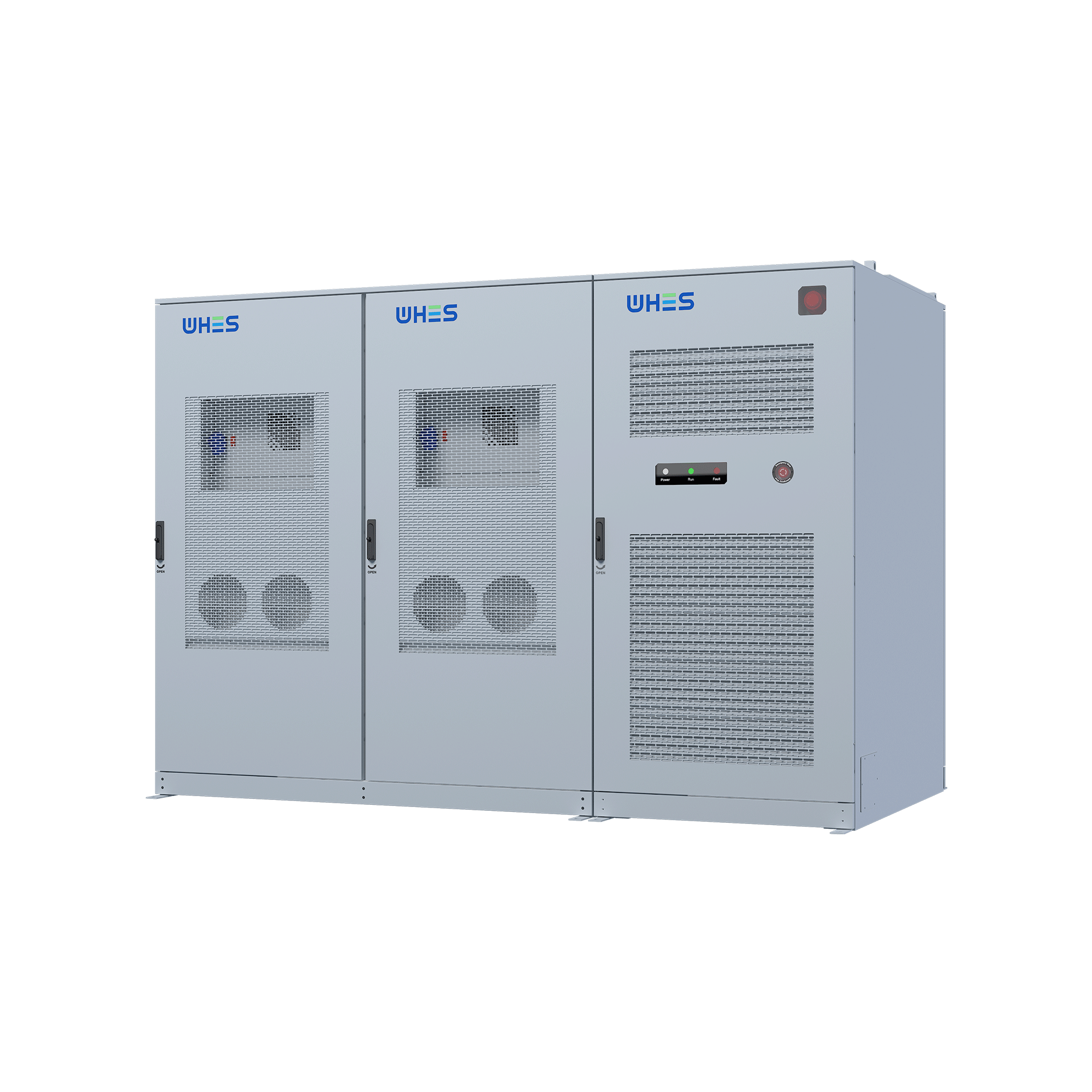
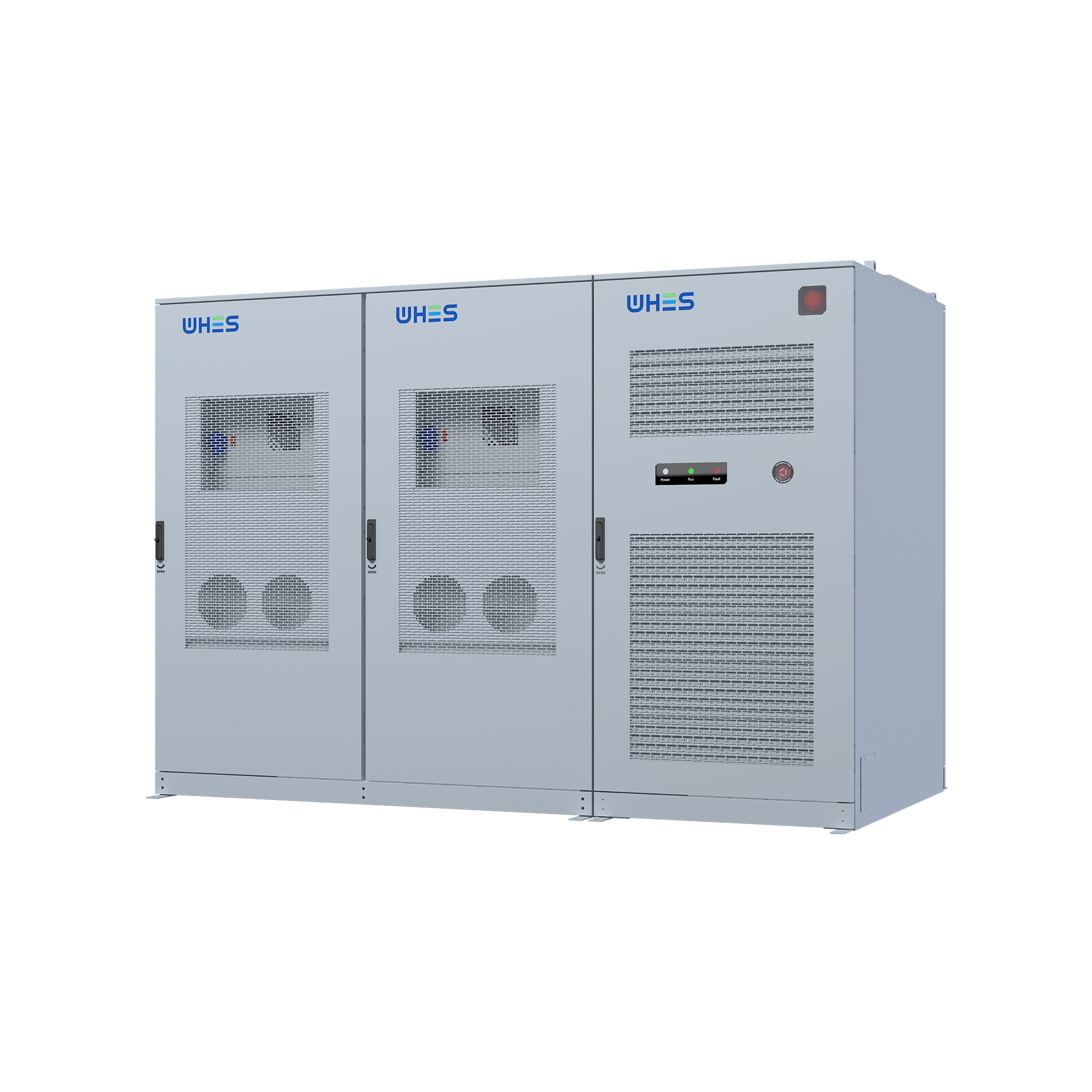
Moving from diesel gensets to a low-emission microgrid is less about a single purchase and more about a repeatable decision path: define needs, evaluate technology, size systems, validate operations. For businesses and campuses that need clear trade-offs, this framework shows how to weigh capital, reliability, and operability while keeping safety and compliance front of mind. Early in the planning conversation, consider a proven commercial energy storage configuration as your baseline for performance and integration testing.
Step 1 — Clarify objectives and constraints
Ask three concrete questions: Do you want full diesel replacement, partial backup, or peak shaving? What outage profile must you support (minutes, hours, days)? What budget and timeline are realistic for your site? Answering these narrows technology choices and procurement strategy. For example, a retail distribution center aiming for outage resiliency and lower fuel spend will prioritize fast-response inverters and a battery system sized for several hours of load, while a campus pursuing emissions goals may lean into larger BESS plus PV.
Step 2 — Compare technology stacks (and where storage fits)
There are clear architectures to weigh: 1) Battery-only microgrid with fast inverters and control logic; 2) Hybrid genset + battery with seamless transfer; 3) Renewables + battery with or without genset backup. Key system-level terms to watch: round-trip efficiency, state of charge (SoC) management, and the battery management system (BMS). A robust industrial and commercial energy storage system will expose APIs for energy management and grid services, which matters if you plan demand response or time-of-use optimization.
Step 3 — Sizing, economics, and lifecycle thinking
Don’t size around a single worst-case day. Model both typical operations and extreme outages. Run three profiles: typical daily cycling, emergency reserve for N hours, and peak load reduction. Include lifecycle metrics—capex, expected cycle life, replacement cost, and maintenance. Consider degradation projections and warranty terms; you want a realistic cost-per-kWh delivered over the system life rather than just sticker price. Also validate how the proposed system will integrate with your existing protection relays and automatic transfer schemes.
Common mistakes and practical fixes
Teams often underestimate integration complexity, ignore thermal management, or bypass full-scale commissioning. A frequent error: assuming an inverter swap is enough. It’s not—controls, protections, and generator coordination need explicit design. Another is overlooking permitting lead times and local interconnection standards. Practical fixes: require factory acceptance tests, staged site commissioning, and an explicit control-sequence diagram in the contract. —
Real-world anchor: lessons from extreme events
After Hurricane Maria in 2017, microgrids and storage projects in Puerto Rico became a clear example of resilience planning: communities and commercial sites that deployed batteries alongside renewables saw faster recovery and reduced reliance on diesel refueling logistics. That experience highlights two practical truths: logistics for fuel are fragile in crises, and on-site energy storage materially shortens outage recovery times when designed for the actual load profile.
Procurement and vendor evaluation checklist
Use this checklist when comparing suppliers: documented lead-time performance, warranty on cycle life, demonstrated BMS interoperability, site commissioning support, and spare-parts strategy. Ask for operational references for similar load types and climate conditions. If you expect grid services revenue, require proof of prior participation in frequency or demand response programs. Finally, ensure test sequences are scripted into the agreement so acceptance criteria are objective.
Integration considerations: controls, safety, and operations
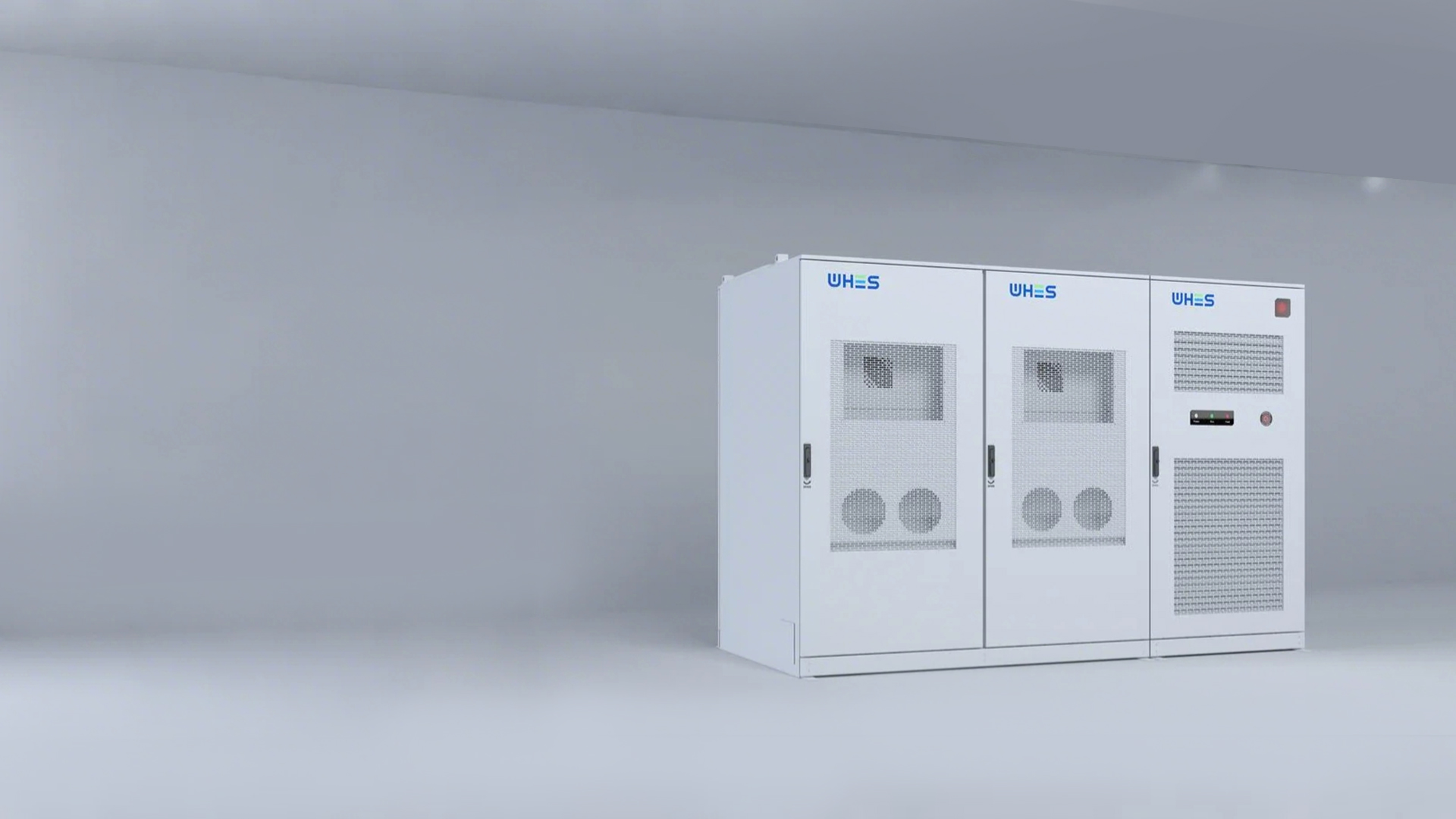
Operational readiness is often the last mile. Train staff on SoC limits, safe isolation procedures, and routine diagnostics. Establish procedures for firmware updates and cybersecurity reviews. Monitor key telemetry—SoC, inverter temperature, and round-trip efficiency—to catch underperformance early. Small practices, like routine thermal scans and periodic SoC audits, preserve warranty coverage and extend asset life.
Summary of the framework
Start with objectives, pick the architecture that matches those goals, size conservatively for both everyday and emergency loads, and require explicit integration and testing deliverables from vendors. This approach reduces surprises and ensures the system behaves as intended under stress.
Three golden rules for selecting systems and partners
1) Prioritize measurable performance: insist on verified cycle-life and round-trip efficiency data rather than manufacturer claims. 2) Design for operations: evaluate how the BMS and controls map to your existing procedures and staff capabilities. 3) Value total cost of ownership: include replacement/refresh cycles, maintenance, and fuel savings in your cash-flow model.
When you follow those rules, the path away from diesel makes practical sense—and operational sense too. For many organizations, that practical value is delivered by proven integrators and systems—see how a disciplined vendor approach shortens commissioning and improves uptime. WHES. —