
Introduction
Benchmarking a battery line is not only about counting units per shift—it is about what those counts hide. Energy storage batteries sit at the center of new grid plans and home systems, so accuracy matters at every station. In simple terms, benchmarking means tracking yield, time, and quality in a consistent way (from slurry to pack). Picture a pilot line on Monday: 92% first-pass yield, 7-minute cycle time per cell, and a dry room trending at 0.5 g/m³. By Friday, scrap climbs by 3%, yet the reports still look “green.” What changed, and how would we know? The scenario is common in our region as well, and we keep it humble but precise—data must speak, not shout. Are we measuring the real constraints, or just the final symptoms?

We will compare what many teams track today versus what actually drives stable throughput and quality. Let us move to the core gaps and see what a fair baseline should include.
Hidden Gaps in Measurement: Why Traditional Lines Mislead
Where do the numbers go wrong?
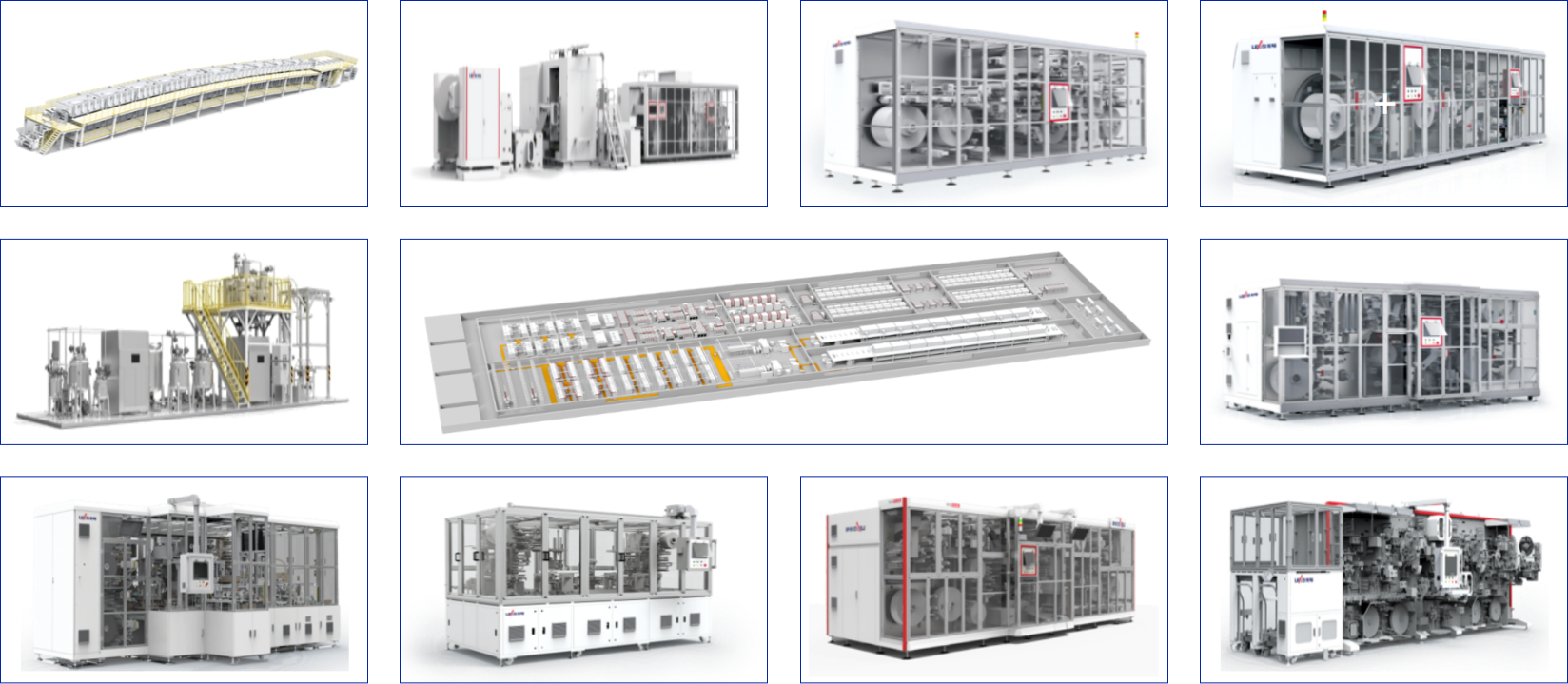
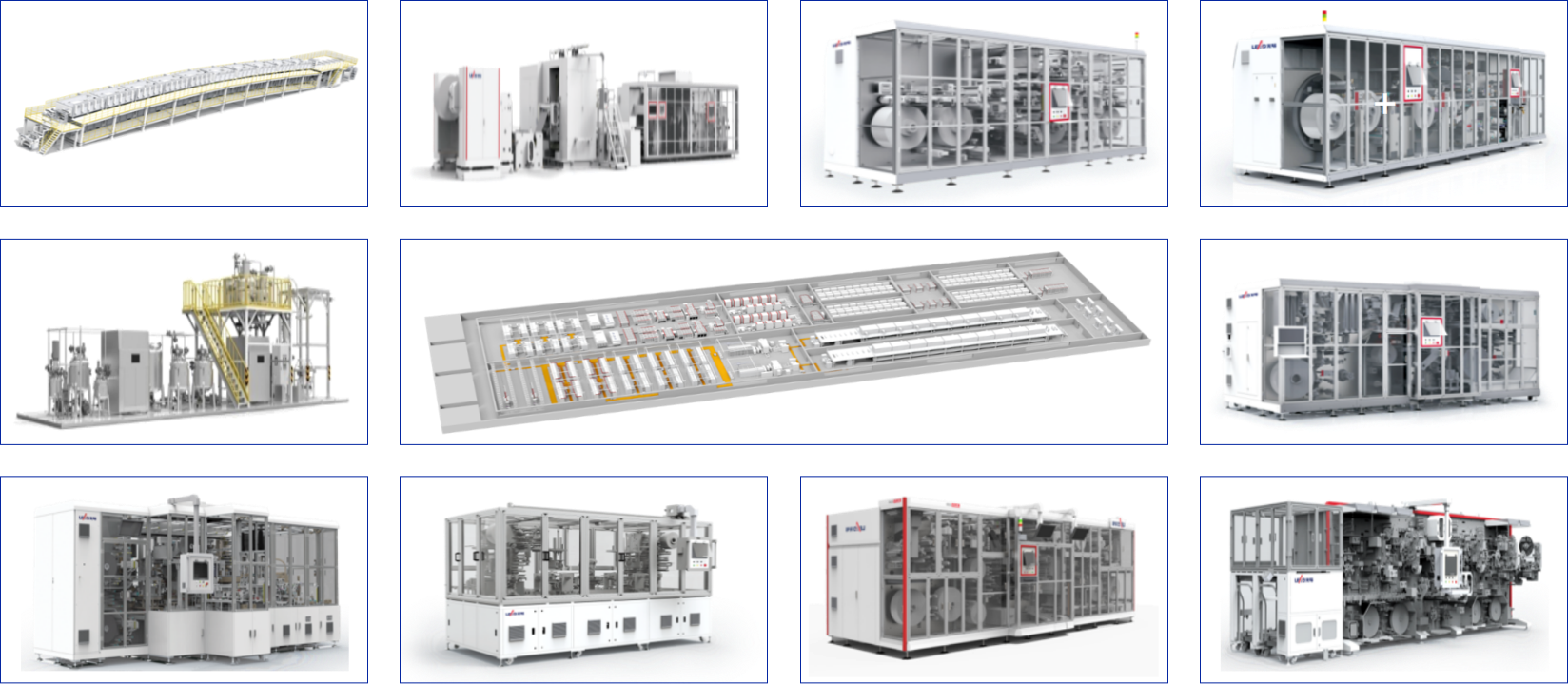
Many shops judge output by daily counts, but the trouble starts upstream. When lib manufacturing equipment is assessed with only offline checks, small drifts turn into large losses. Inline metrology for coating thickness may be absent, so teams rely on samples instead of full coverage. SPC charts lag a shift, which hides slow creep in calendering pressure. The dry room looks fine on average, yet micro-peaks in humidity during roll changes go unseen. Tab welding is “OK” by spot checks, but variance in current actually grows at higher speed. Look, it’s simpler than you think: if the measures sit far from the process, the process outruns the measures. Even power converters on formation racks can drift in energy return, adding heat and stretching formation cycling. Without a tight MES backbone, the reports stay tidy while quality wobbles.
Hidden pain points keep repeating. Data islands multiply when stations don’t push events to edge computing nodes. A cell passes visual inspection but picks up extra electrolyte because wetting time is set by shift habit, not feedback. Coating misalignment triggers more rework later—funny how that works, right? A one-second pause in stacking seems minor, yet it compacts to hours per week. And when BMS calibration is verified only at end-of-line, SOC error travels backward into the pack test area. The result: good-looking dashboards, unstable yield. To benchmark well, we must bring measures into the process path, not after it.
Comparative Lens on Next-Gen Lines: Principles and Proof
What’s Next
New lines flip the script by measuring at the point of action. Closed-loop controls adjust slurry solids in real time, guided by inline sensors. Machine vision tracks electrode alignment frame by frame; deviations trigger auto-correction, not a later report. Edge computing nodes buffer fast signals, so MES can run near-live SPC on critical steps (coating, calendering, stacking). During formation cycling, energy-recovery power converters feed analytics on per-cell behavior, flagging outliers early. Electrolyte filling uses flow and pressure maps to set dwell time per cell, not per batch. In short, a “measure-as-you-make” approach turns slow audits into active control. With modern lib manufacturing equipment, the benchmark shifts from static targets to tracked, verified conditions (and that is where stability comes from).
Comparing old and new reveals a practical path forward. Old lines ask, “Did we hit daily output?” New lines ask, “Did each station meet spec under changing loads?” If you are choosing equipment or upgrading, three checks will keep you honest: First, coverage—does the system collect full-fidelity data on the key stations, not just samples? Second, reaction time—how fast can a detected drift trigger a safe correction without waiting for a shift review? Third, proof—can you trace a cell’s genealogy from raw mix to end-of-line, with parameters and alarms tied to each unit? Meet these, and yield becomes predictable, not lucky. The benchmark turns into a living guide, not a report after the fact. In the end, it is about building confidence in every cell we ship, calmly and clearly. LEAD