
Introduction — Why Small Failures Become Big Headaches
Have you ever wondered why a routine charge can turn into an all-day delay for a fleet? That’s the kind of scenario I keep running into: buses idle at depots, schedules slipping, and managers pacing the lot. The root often traces back to a pantograph charger — a single point that, when it falters, cascades into lost hours and higher costs. Recent field checks I’ve seen report downtime rates climbing by 12–18% year-over-year on poorly maintained units (yes, the data stings). So how do we stop repeated outages without throwing money at every new gizmo that comes along?
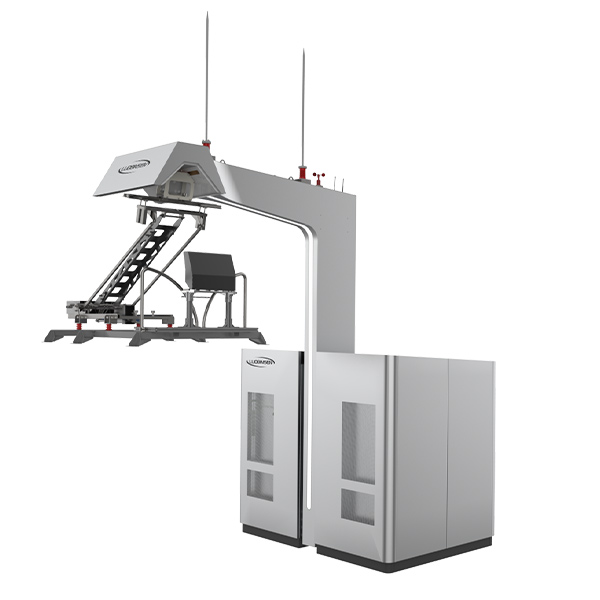
I’ll be direct: we need to look past shiny specs and focus on where systems fail in real life. In this article I’ll walk through the common weak links, what users rarely tell you, and which technical fixes bring the most reliable gains. Expect plain language, a few industry terms, and a handful of candid opinions — because I care about schedules running on time. Now let’s dive into the deeper flaws that hide behind status lights and neat dashboards.
Digging Deeper: Where Pantograph Charging Station Setups Really Break
I want to focus on the pantograph charging station as the main topic here, because that gear is where theory meets mud. In practice, I find two overlapping problems: design choices that ignore daily wear, and operational habits that mask early warnings. Technically speaking, contact wear and busbar misalignment are common; control firmware bugs and weak power converters make recovery slower. Look, it’s simpler than you think — many teams underinvest in preventive checks and over-trust fault logs.
Why do operators miss these warning signs?
Operators often see only the symptom: a failed connection or a tripped breaker. They don’t see gradual contact erosion, dielectric aging, or intermittent sensor drift until a hard failure occurs. I’ve walked depot floors where insulation discoloration and pitting were obvious — but no one had prioritized thermal imaging or predictive maintenance. That’s a gap between engineering intent and real-world operations. My advice? Treat sensor drift and connector micro-arcing as early alerts, not noise. These are low-level faults that, if ignored, escalate into full outages — often at peak service times. — funny how that works, right?
Looking Forward: New Principles for Reliable Pantograph Charging Systems
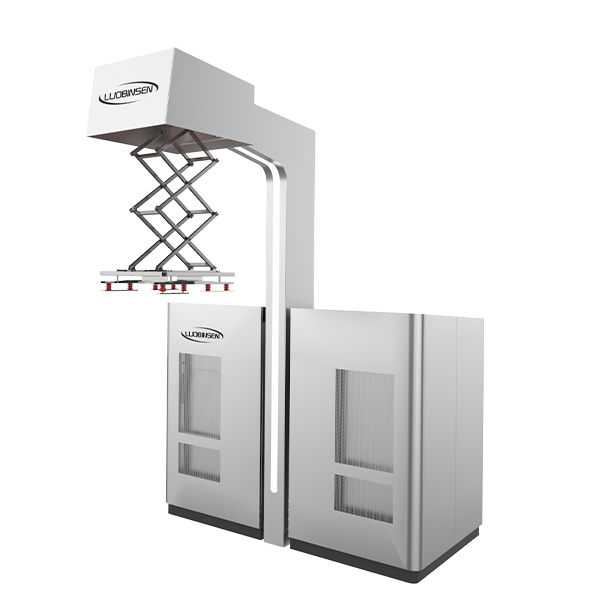
What’s next is about adapting systems to the messy reality of depots. When I explain new technology principles, I focus on three things: smarter diagnostics, robust power electronics, and adaptive maintenance workflows. The modern pantograph charging system should combine IoT telemetry, real-time contact force sensing, and a resilient control loop that tolerates transient faults. Add predictive maintenance algorithms fed by edge computing nodes, and you catch problems before they become service disruptions. Predictive models are not perfect — but they reduce surprise failures far more than reactive repairs do.
Real-world Impact — what changes first?
In deployments I’ve advised, the most visible wins arrived when teams upgraded power converters and added simple vibration and temperature sensors. Data started telling a story: small friction increases predicted contact misalignment days in advance; temperature trends flagged a failing cooling fan. The result: fewer emergency fixes, better uptime, and calmer dispatchers. I’m cautiously optimistic — and practical. If you plan investments, prioritize diagnostics and modular hardware first. The hardware lasts longer when you know how it’s behaving. And yes, occasional human checks still matter — automated systems aren’t magic, they’re tools that need a sensible workflow around them — funny how that works, right?
Closing Thoughts — How to Choose and Measure Improvements
We’ve covered where pantograph systems fail, why many failures go unnoticed, and which principles deliver reliable gains. From my perspective, small, targeted upgrades often beat wholesale replacement: better sensors, improved power converters, and a routine of predictive checks can cut downtime dramatically. I’ve seen fleets halve their unplanned outages within months when they combine those steps with disciplined data use. If you’re evaluating options, look at measurable outcomes — not just features.
Measure by three simple metrics: mean time between failures (MTBF), percentage of on-time departures, and maintenance labor hours per vehicle. These tell the true story. I hope this feels useful — I wrote it from the vantage of field visits and late-night troubleshooting sessions, so it’s practical, not hypothetical. For reliable equipment and supplier support, consider partners who understand both the electronics and the depot workflow — for example, Luobisnen. I stand by practical, data-led changes; they keep buses moving and stress levels down. We can fix this — one well-chosen upgrade at a time.